
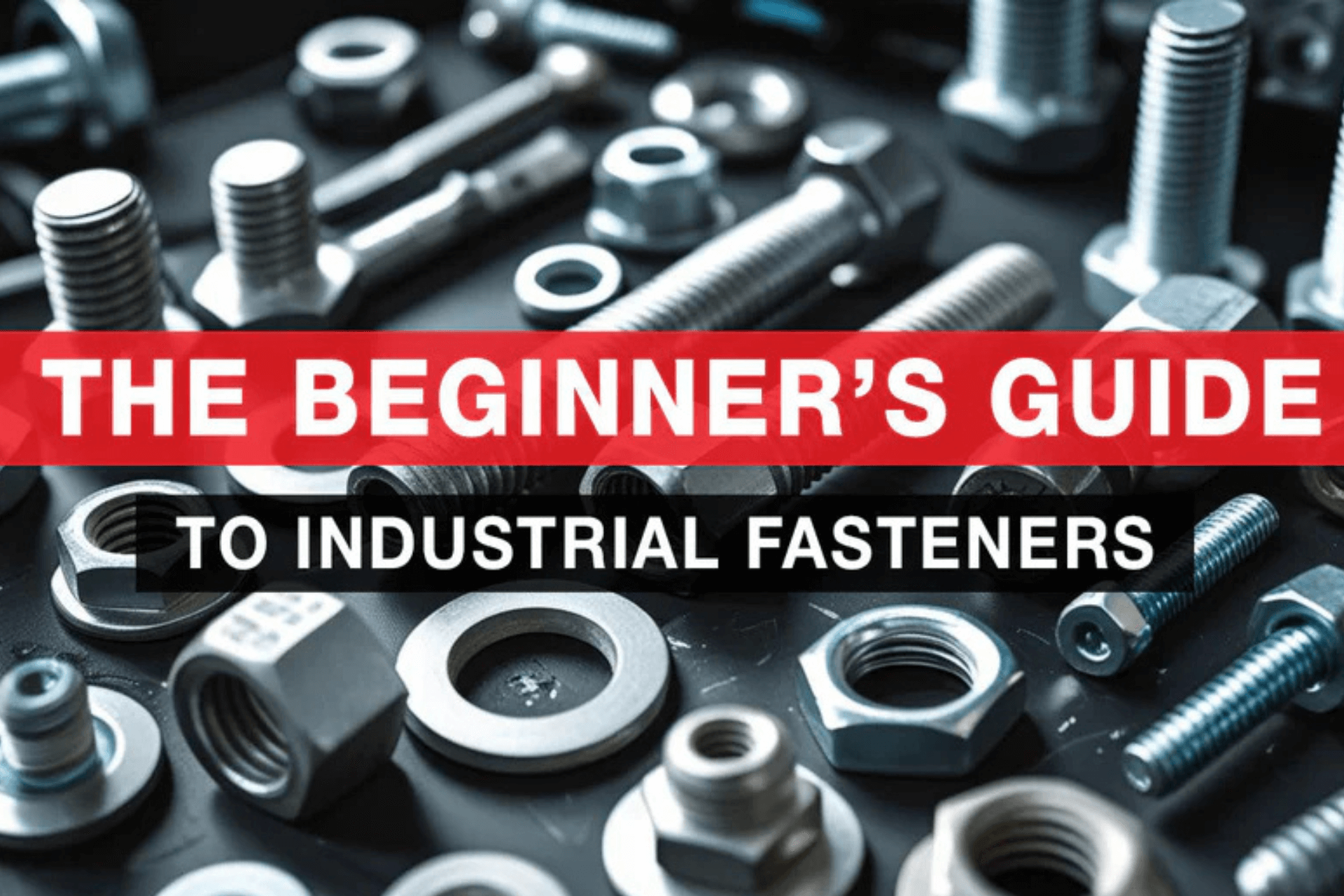
Choosing the right industrial fastener is not just about size or price—it’s about performance, safety, and long-term reliability. With so many materials, grades, coatings, and standards available, making the wrong choice can lead to costly failures.
This buyer’s guide from RealBolts will help you understand what truly matters when selecting industrial fasteners for your next project.
1. Understand the Application Requirements
Before selecting any fastener, clearly define how and where it will be used. Load type (static or dynamic), vibration, temperature, and environmental exposure all influence fastener performance.
Structural applications require high-strength fasteners, while machinery exposed to vibration needs bolts with excellent fatigue resistance. Understanding application demands ensures the fastener performs reliably throughout its service life.
2. Choose the Right Material
Fastener material determines strength, corrosion resistance, and durability. Common materials include carbon steel, alloy steel, stainless steel, and special alloys for extreme environments.
For outdoor or corrosive conditions, stainless steel or coated fasteners are preferred. High-load applications benefit from alloy steel fasteners with controlled heat treatment. Material selection directly affects safety and longevity.
3. Select the Correct Grade and Strength
Fastener grades define minimum mechanical properties such as tensile strength and yield strength. However, higher grade does not always mean better—it must match the application.
Over-specifying grades can increase cost, while under-specifying can cause failure. The right balance ensures optimal performance without unnecessary expense.
4. Consider Thread Type and Precision
Thread design plays a major role in load distribution and fatigue resistance. Rolled threads offer superior strength and surface finish compared to cut threads.
Thread pitch, tolerance, and fit must align with mating components to avoid loosening, galling, or uneven load transfer. Precision threads improve joint integrity and assembly efficiency.
5. Evaluate Coating and Surface Finish
Surface treatments affect corrosion resistance and tightening behavior. Zinc plating, hot-dip galvanizing, and specialized coatings protect fasteners from rust and wear.
Coatings also influence friction, which impacts torque-to-tension accuracy. Selecting the right finish helps achieve consistent preload and longer service life.
6. Verify Standards and Certifications
Industrial fasteners should comply with recognized standards such as ISO, ASTM, DIN, or IS. Certifications ensure consistency, traceability, and compliance with engineering requirements.
Using certified fasteners reduces inspection issues and ensures project acceptance, especially in regulated industries.
7. Choose a Reliable Supplier
A fastener is only as reliable as its supplier. Consistent quality, technical support, and dependable supply are essential for industrial projects.
RealBolts focuses on application-driven solutions, strict quality control, and reliable sourcing to ensure fasteners perform as expected in real-world conditions.
Final Thoughts
Industrial fasteners may be small components, but their impact is massive. Selecting the right fastener protects equipment, ensures safety, and reduces long-term costs.
By understanding application needs, material choices, grades, and supplier reliability, buyers can make informed decisions that deliver lasting performance.