Home » Applications » Fasteners for Electrical & Electronics
In electrical and electronics assemblies, application-specific fasteners secure enclosures, busbars, heat sinks, terminal blocks, PCB mounts, and shields while maintaining alignment and clamp force. These industrial fasteners serve as precision components in compact builds, supporting insulation spacing, dimensional stability, and repeatable assembly quality.
Electrical equipment faces vibration from relays, fans, transport, and switching cycles, while conductors undergo thermal expansion during load changes. Fastener design must manage load distribution, torque retention, joint relaxation, and corrosion exposure in humid environments. High-strength bolts with compatible nuts and washers improve fatigue resistance where continuity and shielding integrity are critical.
For performance-critical components, reliability is verified through traceability, torque testing, and joint validation aligned with ISO and ASTM requirements. Engineering review confirms thread fit, coating compatibility, and electrical contact behavior so industrial fastening systems maintain preload and service life. Compliance supports installation across production and maintenance programs.

Threaded fasteners designed for strong mechanical joints across structural and industrial assemblies.
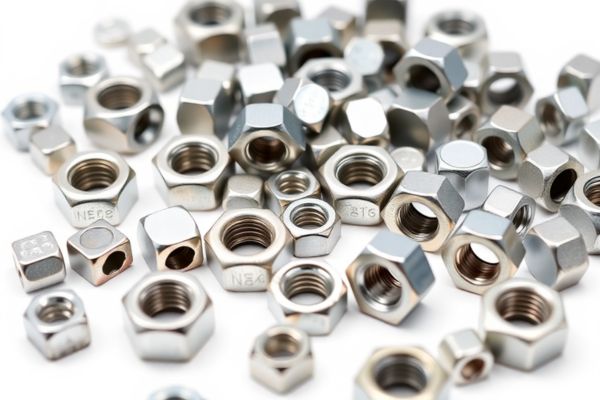
Internally threaded components designed to pair with bolts for secure fastening. Manufactured to provide reliable clamping force.
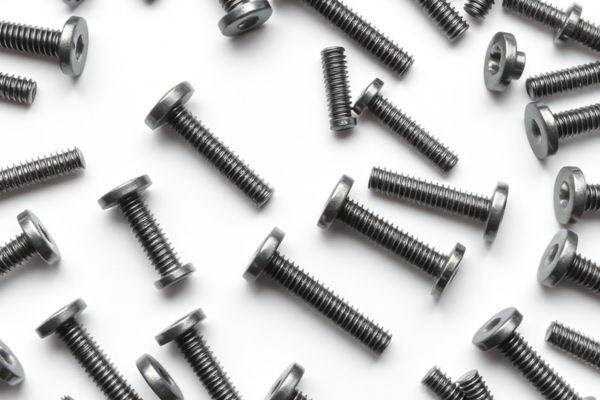
Threaded fasteners engineered for secure fastening into materials like metal, wood, or plastic without the need for a nut.
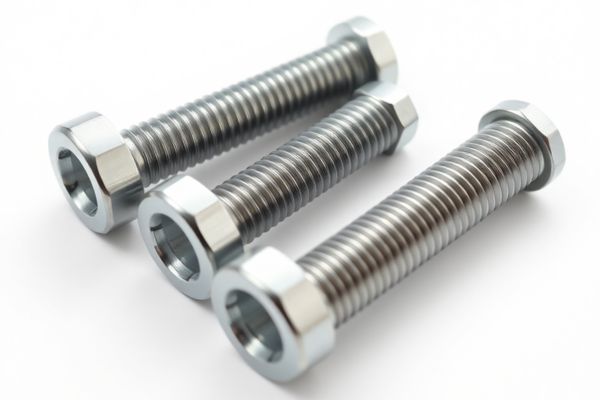
Double-ended threaded fasteners used for flange connections and high-pressure assemblies in industrial applications.
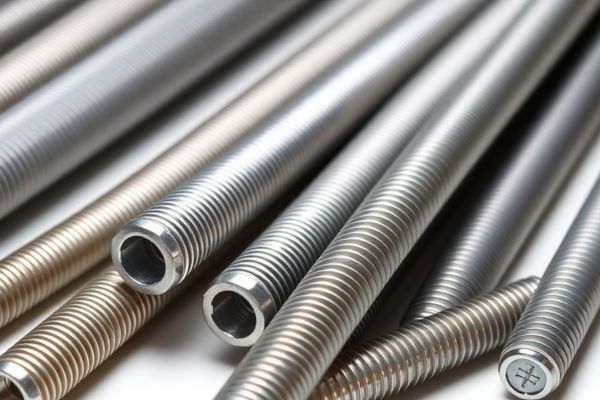
Fully threaded bars designed for adjustable fastening, anchoring, and structural support across various installations.
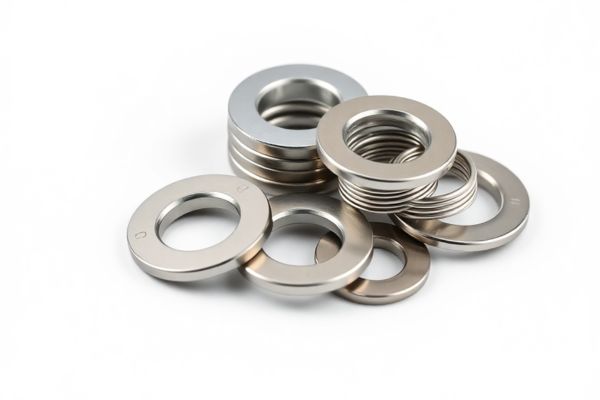
Flat or shaped spacers placed under fasteners to distribute load, reduce wear, and improve joint stability.
| Fastener Type | Common Use |
|---|---|
| Machine Screws | Securing electrical enclosures, control panels, terminal blocks, and electronic assemblies. |
| Self-Tapping Screws | Fastening sheet metal covers, junction boxes, and lightweight electrical housings without pre-threaded holes. |
| Hex Bolts | Mounting transformers, switchgear components, cable trays, and heavy electrical equipment frames. |
| Stud Bolts | Used in busbar supports, panel mounting systems, and assemblies requiring secure clamping with nuts on both ends. |
| Hex Nuts | Paired with bolts and studs for fastening electrical equipment, support structures, and grounding assemblies. |
| Lock Nuts | Preventing loosening in vibrating electrical equipment such as motors, generators, and control cabinets. |
| Flat Washers | Distributing load and protecting surfaces in panel boards, enclosures, and electronic equipment mounting. |
| Spring Washers | Maintaining fastening tension in electrical connections and assemblies exposed to vibration or thermal cycling. |
In electrical and electronics assemblies, fasteners must hold precision components under vibration, thermal cycling, and confined installation loads without loss of clamp force. High-quality fasteners support structural integrity, protect conductive paths, and prevent loosening that can impair signal stability, grounding, or enclosure sealing. Material consistency, corrosion resistance, and accurate threads are essential for long service life, safe operation, and compliance in performance-critical equipment.
Low-quality fasteners can strip, relax, or corrode, leading to intermittent connections, overheating, enclosure failure, and unplanned downtime. For this reason, selection should align with ISO requirements and verified mechanical properties, dimensional control, and coating performance. Engineering validation, lot traceability, and application testing are necessary to confirm reliability under service stress. In electrical and electronics systems, fastener quality is a design control, not a procurement detail.
Brass Alloy
Excellent conductivity and corrosion resistance suit terminals and switchgear, supporting reliable precision components in electronics assemblies
Aluminum Alloy
Lightweight thermal stability and oxidation resistance benefit enclosures and busbar connections using validated engineered fastening solutions
Titanium Alloy
High strength-to-weight and fatigue resistance perform in aerospace electronics housings with proven high-strength bolts
Silicon Bronze
Superior corrosion resistance and conductivity fit PCB grounding and outdoor control panels requiring dependable structural fasteners
Stainless steel, brass, and zinc plated steel are common. Material choice depends on conductivity, corrosion resistance, and enclosure conditions in precision industrial assemblies.
High strength bolts maintain clamp load under vibration and thermal cycling. They help protect connections, housings, and structural fasteners used in control panels and electronic systems.
ISO, DIN, and ASTM standards guide dimensions, tolerances, and material performance. Select fasteners by load, environment, insulation needs, and long term reliability requirements.