Home » Applications » Fasteners for Heavy Engineering
In heavy engineering, application-specific fasteners secure frames, pressure housings, rotating equipment, and large fabricated assemblies where joint integrity governs operational safety. These industrial fasteners act as structural fasteners and precision components, maintaining clamp load, alignment, and serviceability across cranes, turbines, presses, and process machinery.
Heavy engineering installations operate under static and dynamic forces, demanding load distribution through joints exposed to vibration, shock, thermal expansion, and corrosion exposure. Fasteners must sustain preload under cyclic loading, resist embedment loss, and deliver fatigue resistance in environments involving high temperatures, moisture, chemicals, or particulates.
Reliability depends on verified material properties, dimensional accuracy, and documented compliance with ISO, ASTM, DIN, and SAE requirements. Engineering validation through torque-tension testing, hardness checks, coating assessment, and traceable inspection confirms suitability for industrial fastening systems used in performance-critical components where failure margins are tightly controlled.

Threaded fasteners designed for strong mechanical joints across structural and industrial assemblies.
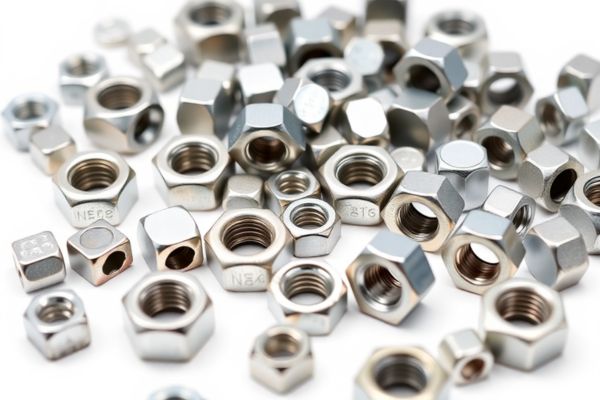
Internally threaded components designed to pair with bolts for secure fastening. Manufactured to provide reliable clamping force.
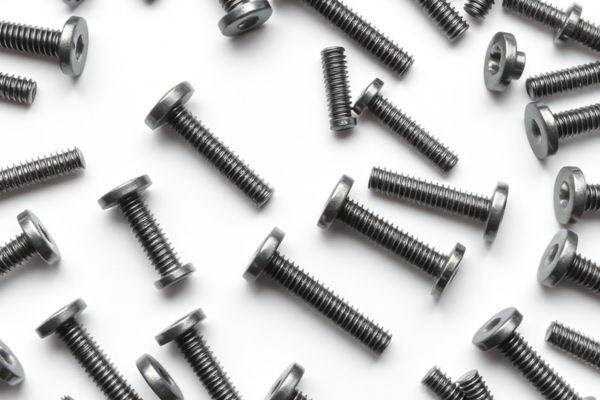
Threaded fasteners engineered for secure fastening into materials like metal, wood, or plastic without the need for a nut.
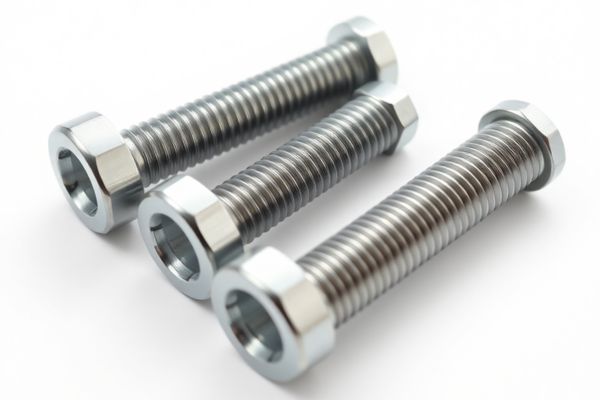
Double-ended threaded fasteners used for flange connections and high-pressure assemblies in industrial applications.
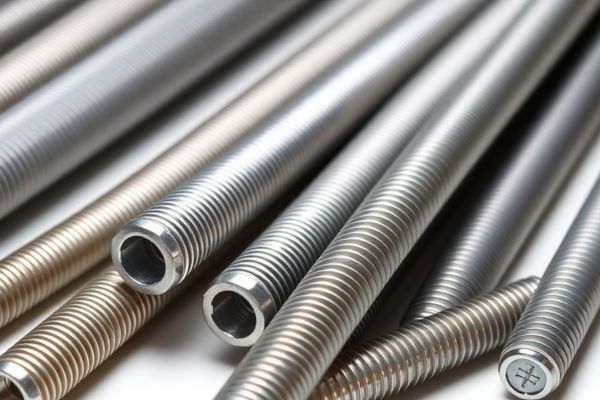
Fully threaded bars designed for adjustable fastening, anchoring, and structural support across various installations.
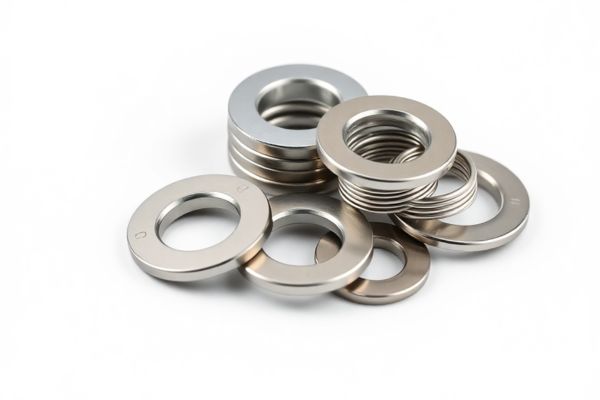
Flat or shaped spacers placed under fasteners to distribute load, reduce wear, and improve joint stability.
| Fastener Type | Common Use |
|---|---|
| High Tensile Hex Bolts | Structural joints, heavy machinery frames, and equipment mounting in engineering plants |
| Stud Bolts | Flanged connections in pressure vessels, pumps, turbines, and piping systems |
| Socket Head Cap Screws | Assembly of precision heavy equipment, gearboxes, and confined-access machine components |
| Heavy Hex Nuts | Used with high-strength bolts and studs in structural and high-load mechanical assemblies |
| Spring Washers | Reducing loosening under vibration in motors, compressors, and rotating machinery |
| Flat Washers | Load distribution and surface protection in bolted joints on fabricated steel components |
| Anchor Bolts | Securing heavy machinery, support structures, and base plates to concrete foundations |
In heavy engineering, fasteners carry sustained static loads, vibration, shock, and thermal cycling across large assemblies, frames, pressure systems, and rotating equipment. High-quality fasteners are essential to preserve structural integrity, maintain clamp force, and prevent joint loosening under stress. Correct material grade, thread accuracy, and corrosion resistance directly influence service life, operational safety, and equipment uptime. For performance-critical installations, high-strength fasteners and precision components also support compliance with design tolerances and load path calculations.
Low-quality fasteners can fail through embrittlement, thread stripping, preload loss, or fatigue cracking, creating major safety and downtime risks in heavy engineering environments. Selection should align with ASTM requirements, documented material traceability, and application-specific torque and tension values. Engineering validation, batch testing, and dimensional inspection are necessary to confirm reliability under real service conditions. In critical joints, standards compliance is not optional
Alloy Steel
Delivers superior strength and fatigue resistance for high-load assemblies, supporting validated high-strength bolts in cranes.
Titanium Alloy
Combines exceptional strength-to-weight ratio and corrosion resistance for turbine housings, proven in precision components.
Nickel Alloy
Maintains thermal stability and creep resistance in heat-intensive presses, enabling engineered fastening solutions reliably.
Phosphor Bronze
Provides galling resistance and conductivity for sliding machine interfaces, specified for industrial structural fasteners.
Alloy steel, stainless steel, and ASTM A193 grades are preferred for heavy engineering due to high strength, corrosion resistance, and reliability in demanding industrial assemblies.
High-strength bolts deliver superior clamp load, vibration resistance, and fatigue performance, helping structural fasteners maintain joint integrity under dynamic loads and harsh operating conditions.
ISO, DIN, ASTM, and SAE standards guide selection by defining dimensions, mechanical properties, coatings, and testing requirements for precision fasteners in critical engineering applications.