Home » Applications » Fasteners for Aerospace
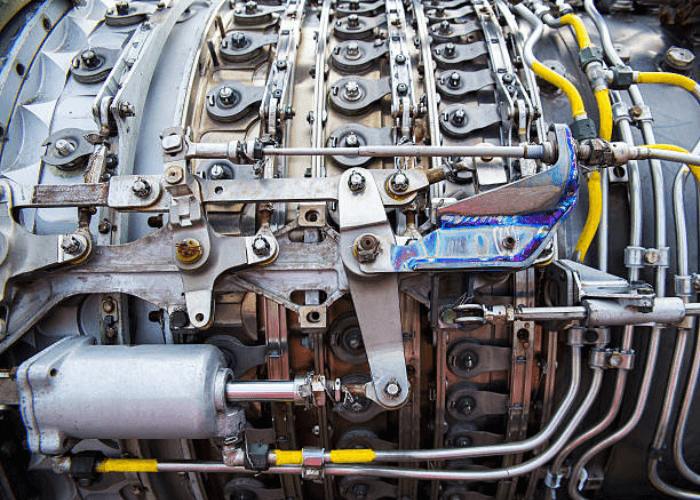
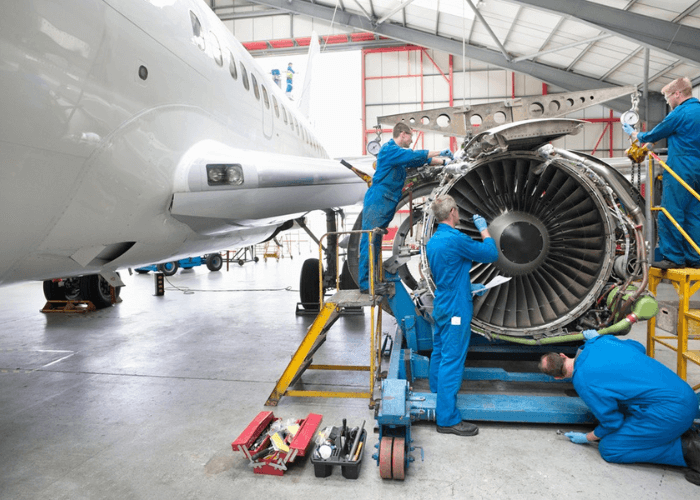
Aerospace fasteners secure airframe panels, engine casings, control surfaces, and cabin modules where joint integrity is safety critical. These aerospace-specific fasteners retain clamp load and installation accuracy in lightweight alloys and composite stacks. Structural fasteners and precision components carry shear, tension, and bearing loads across primary and secondary flight assemblies.
Aerospace joints see load distribution from vibration, shock, and aerodynamic forces while thermal expansion acts across metals and composites. Corrosion exposure from humidity, deicing fluids, residue, and salt atmospheres requires finishes and galvanic isolation. High-strength bolts need stable preload and fatigue resistance to reduce loosening, fretting, and crack initiation in long service intervals.
Reliability in aerospace assemblies depends on traceability, torque control, and conformance to ISO and SAE requirements. Fasteners are validated through inspection, tensile testing, and process checks for engineering approval. These industrial fastening systems serve as performance-critical components where repeatable quality and audit-ready compliance are mandatory.

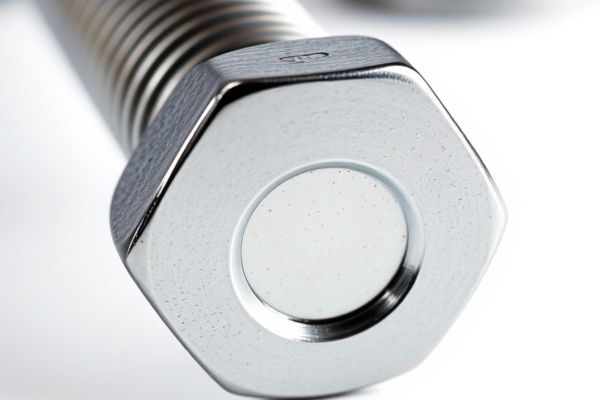
Threaded fasteners designed for strong mechanical joints across structural and industrial assemblies.
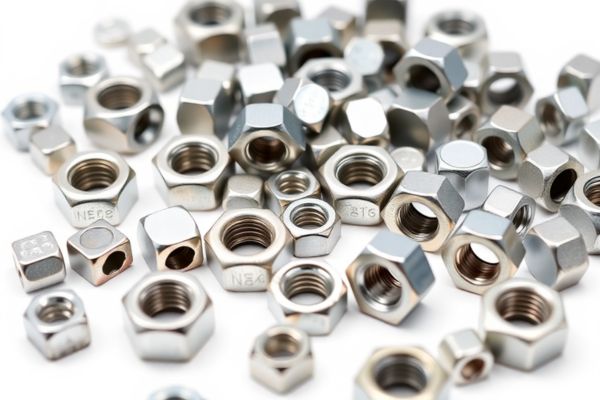
Internally threaded components designed to pair with bolts for secure fastening. Manufactured to provide reliable clamping force.
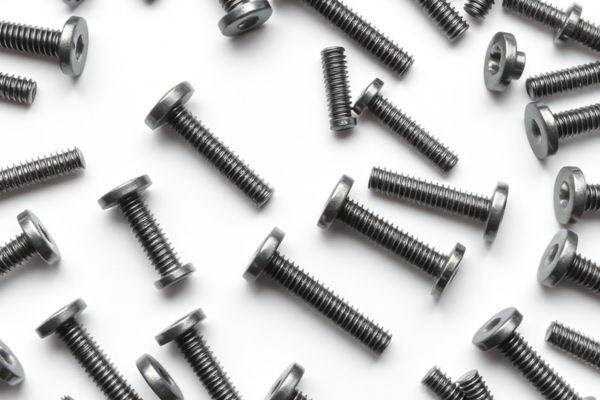
Threaded fasteners engineered for secure fastening into materials like metal, wood, or plastic without the need for a nut.
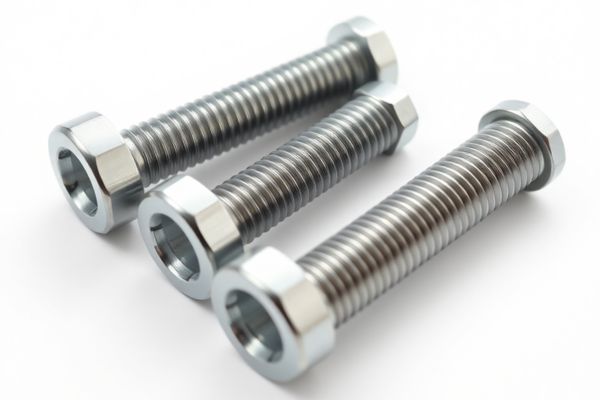
Double-ended threaded fasteners used for flange connections and high-pressure assemblies in industrial applications.
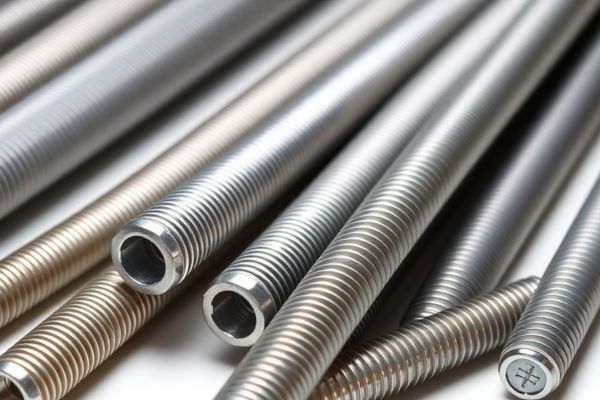
Fully threaded bars designed for adjustable fastening, anchoring, and structural support across various installations.
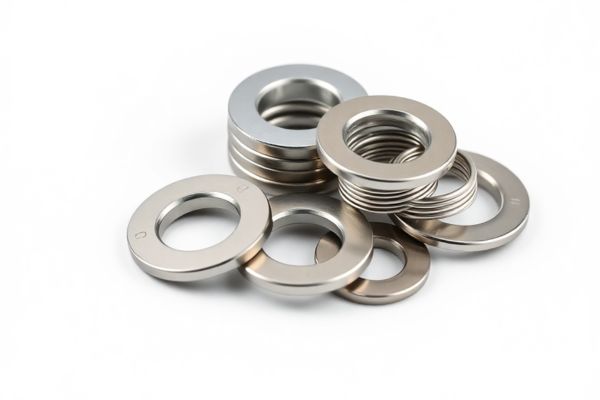
Flat or shaped spacers placed under fasteners to distribute load, reduce wear, and improve joint stability.
| Fastener Type | Common Use |
|---|---|
| Hi-Lok Pins and Collars | Used in aircraft structural assemblies where high shear strength and controlled preload are required. |
| Close-Tolerance Hex Bolts | Used in airframe joints, landing gear components, and other precision structural connections. |
| Aircraft Machine Screws | Used for attaching access panels, avionics housings, interior fittings, and light structural components. |
| Stud Bolts | Used in aerospace engine and exhaust system assemblies where secure fastening under high temperature is needed. |
| Self-Locking Nuts | Used in vibration-prone aircraft assemblies to resist loosening without additional locking devices. |
| Shear Nuts | Used in permanent aerospace installations where tamper resistance and consistent clamp load are important. |
| Flat and Countersunk Washers | Used to distribute load, protect surfaces, and support flush fastener installations in aircraft structures. |
In aerospace systems, fasteners must sustain cyclic loads, vibration, thermal variation, and pressure differentials without loss of preload or structural integrity. High quality aerospace fasteners are critical to airframe safety, engine reliability, and weight controlled performance, because a single joint failure can propagate stress, fatigue cracking, or misalignment across precision components. Material consistency, corrosion resistance, and tight dimensional tolerances are essential for durable service and regulatory compliance.
Low quality parts can introduce thread galling, embrittlement, loosening, and hidden defects that compromise performance critical assemblies long before scheduled maintenance. For this reason, aerospace fasteners should be qualified to standards such as SAE specifications and supported by traceability, mechanical testing, and engineering validation of tensile, shear, and fatigue behavior. In flight hardware, verified compliance is not optional
Titanium Alloys
High strength-to-weight and fatigue resistance support airframe structural fasteners validated for critical flight assemblies.
Aluminum Alloys
Lightweight corrosion resistance suits interior panels and access covers using precision components for aerospace weight reduction.
Nickel Alloys
Exceptional thermal stability and oxidation resistance secure engine-zone precision components under certified high-temperature service.
Alloy Steels
Ultra-high strength and fatigue durability serve landing gear joints with engineered fastening solutions proven in cyclic loads.
Titanium, A286 stainless steel, and Inconel are common for aerospace fasteners due to high strength, low weight, and corrosion resistance in critical aircraft assemblies.
High strength bolts deliver fatigue resistance, vibration stability, and thermal performance for structural fasteners used in engines, airframes, and other precision aerospace systems.
Selection should verify SAE, ASTM, or ISO requirements, along with load, temperature, corrosion exposure, and traceability for compliant industrial fasteners in aerospace applications.