Home » Applications » Fasteners for Automotive
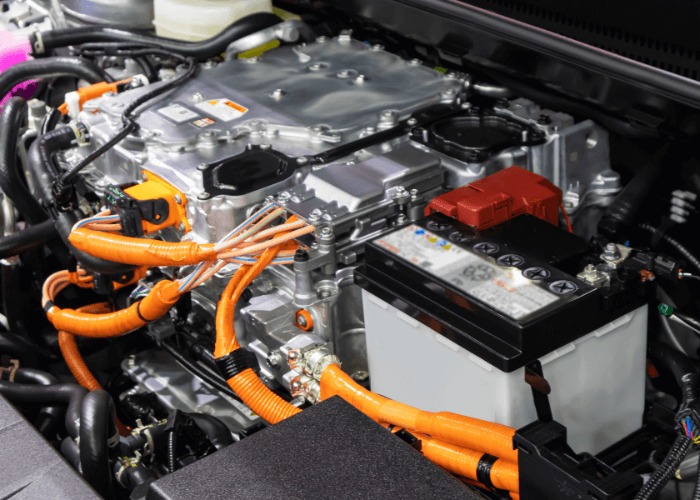
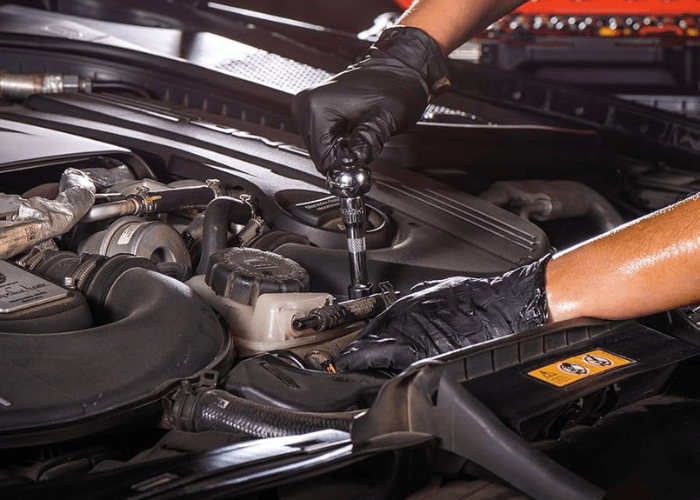
Automotive fasteners secure chassis, powertrain, braking, suspension, and interior assemblies where joint integrity affects safety and dimensional control. These application-specific fasteners preserve clamp load, alignment, and serviceability across subassemblies. Structural fasteners and precision components are specified for torque transfer, sealing, and repeated assembly cycles.
In automotive service, joints face load distribution, vibration, shock, thermal expansion, and corrosion exposure from salts, moisture, fuels, and lubricants. Fastener design must address cyclic stress, mixed-material interfaces, and heat around engines, exhaust systems, and battery structures. High-strength bolts with fatigue resistance help retain preload under operating conditions.
Reliable performance requires traceability, consistency, and engineering validation through torque-tension testing, salt spray evaluation, and inspection. Compliance with ISO, ASTM, DIN, and SAE requirements supports fit and documented quality. For performance-critical components, industrial fastening systems are specified to validated standards for durability, safety, and production control.

Threaded fasteners designed for strong mechanical joints across structural and industrial assemblies.
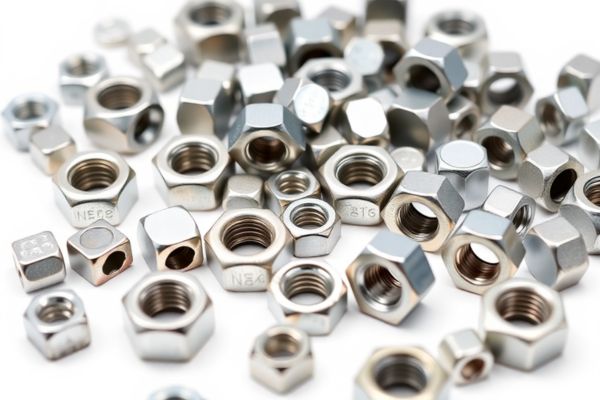
Internally threaded components designed to pair with bolts for secure fastening. Manufactured to provide reliable clamping force.
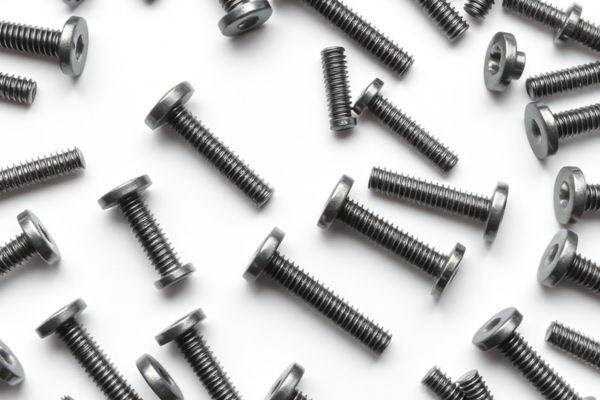
Threaded fasteners engineered for secure fastening into materials like metal, wood, or plastic without the need for a nut.
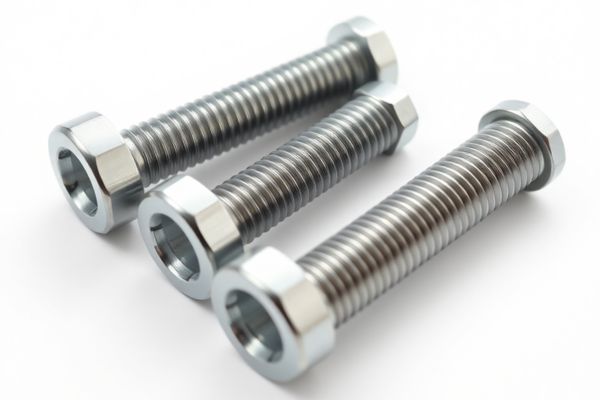
Double-ended threaded fasteners used for flange connections and high-pressure assemblies in industrial applications.
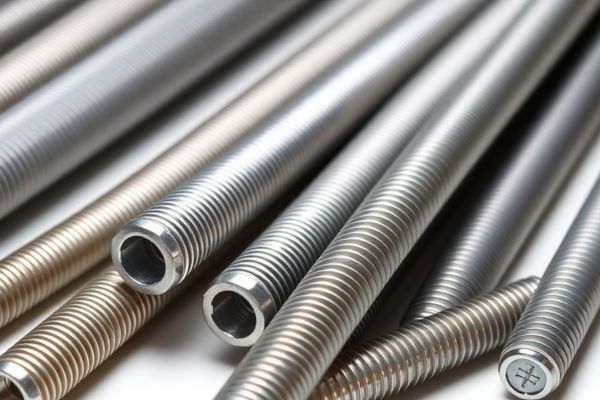
Fully threaded bars designed for adjustable fastening, anchoring, and structural support across various installations.
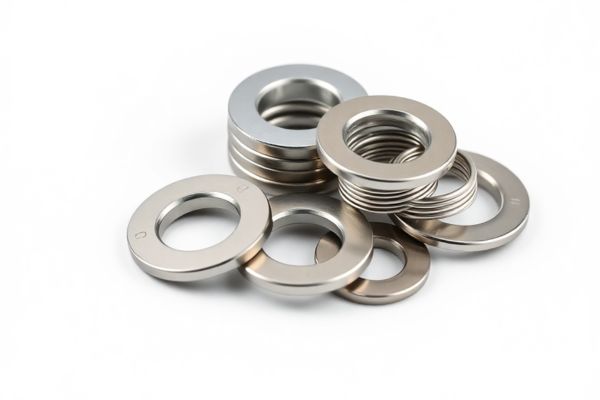
Flat or shaped spacers placed under fasteners to distribute load, reduce wear, and improve joint stability.
| Fastener Type | Common Use |
|---|---|
| Hex Bolts | Chassis assemblies, suspension components, and engine mounting |
| Wheel Studs | Securing wheels to hubs in passenger and commercial vehicles |
| U-Bolts | Clamping leaf springs and axle components in heavy-duty vehicles |
| Socket Head Cap Screws | Engine assemblies, transmission housings, and brake system components |
| Flange Nuts | Automotive exhaust systems, engine compartments, and structural joints |
| Stud Bolts | Cylinder heads, exhaust manifolds, and turbocharger mounting |
| Spring Washers | Reducing loosening in vibration-prone automotive assemblies |
In automotive systems, fastener quality directly affects safety, durability, and vehicle efficiency. Joints in engines, chassis, suspensions, braking assemblies, and battery enclosures must withstand vibration, cyclic loads, thermal expansion, and impact stress without loosening or fracture. High strength fasteners and precision components help maintain clamp load, alignment, and structural integrity under demanding service conditions. For OEM and Tier suppliers, consistent material properties and dimensional accuracy are essential for reliable assembly, long fatigue life, and regulatory compliance.
Low quality fasteners can cause preload loss, corrosion, thread damage, joint separation, and premature failure in performance critical assemblies. In automotive manufacturing, such defects increase warranty risk, compromise crashworthiness, and disrupt production repeatability. Compliance with ISO standards, supported by mechanical testing, traceability, and engineering validation, confirms that fasteners meet specified tensile, hardness, and coating requirements. Selecting validated industrial fasteners is not optional in automotive applications
Titanium Alloy
High strength and fatigue resistance support precision components in motorsport assemblies and validated suspension joints
Aluminum Alloy
Lightweight corrosion resistance benefits engineered fastening solutions in EV battery enclosures and noncritical body structures
Brass Alloy
Good corrosion resistance and conductivity suit precision components in automotive electrical terminals and sensor housings
Nickel Alloy
Excellent thermal stability and oxidation resistance secure high strength bolts in turbochargers and exhaust manifolds
Automotive fasteners commonly use alloy steel, stainless steel, and zinc coated carbon steel for strength, corrosion resistance, and durability in demanding vehicle assemblies.
High strength bolts maintain clamp load under vibration, thermal cycling, and dynamic loads, improving joint reliability in engines, chassis, and structural fasteners applications.
Selection should match load, environment, and fit requirements using SAE, ISO, or DIN standards to ensure precision, compatibility, and consistent performance in critical assemblies.