
Fasteners for Cement Plants

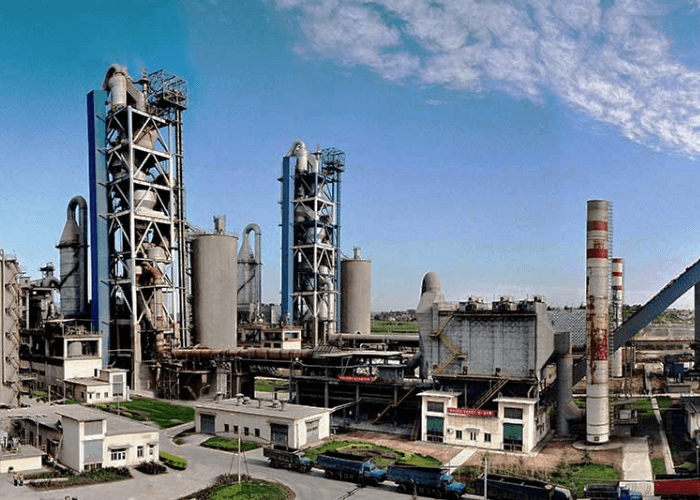
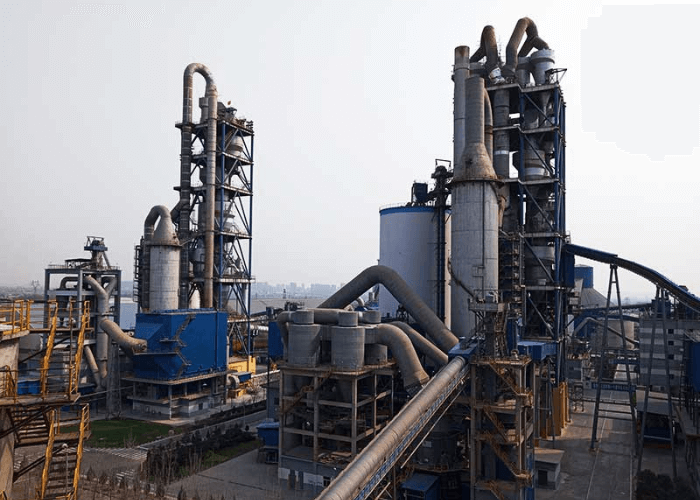
Cement plants demand fasteners that withstand extreme heat, dust, and mechanical stress. From kiln assemblies to grinding mills, precision-engineered structural fasteners in alloy steel ensure durability and thermal stability. RealBolt supplies ASTM-compliant, high-strength industrial fasteners engineered for reliable performance across the most demanding cement plant environments.

Cement Plants Industrial Fasteners for Rotating Assemblies

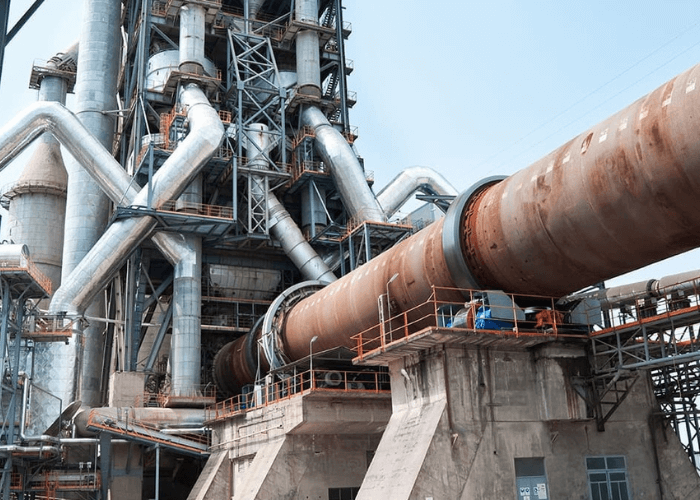
In cement plants, application-specific fasteners secure crushers, kilns, conveyors, ducting, mills, and support frames where joint stability directly affects alignment and uptime. These industrial fasteners act as structural fasteners within heavy assemblies, retaining guards, liners, drive bases, and access systems while supporting precise preload in engineered fastening solutions.

Service conditions combine severe load distribution demands with continuous vibration, abrasive dust, shock loading, and thermal expansion across process equipment. Fasteners must also withstand moisture and corrosion exposure from raw materials, clinker handling, and washdown areas. Proper specification of high-strength bolts improves clamp retention and fatigue resistance under cyclic operation.

For reliability in cement plants, fasteners are selected to ISO, ASTM, and DIN requirements for material traceability, dimensional accuracy, and proof load verification. Engineering review, torque validation, and inspection testing confirm suitability for performance-critical components in industrial fastening systems, reducing maintenance risk in mission-duty installations.

Critical Industrial Fasteners for Cement Plants Components

Bolts

Bolts

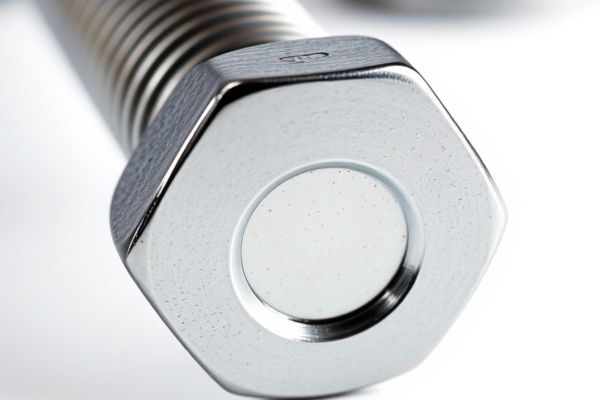
Threaded fasteners designed for strong mechanical joints across structural and industrial assemblies.
Nuts

Nuts

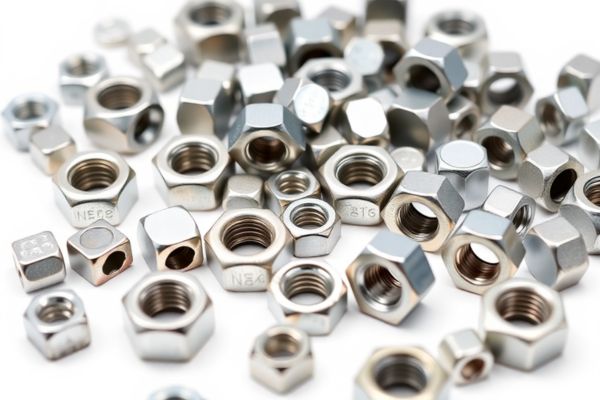
Internally threaded components designed to pair with bolts for secure fastening. Manufactured to provide reliable clamping force.
Screws

Screws

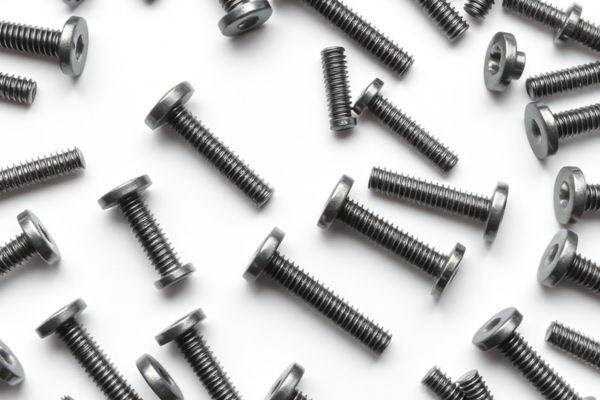
Threaded fasteners engineered for secure fastening into materials like metal, wood, or plastic without the need for a nut.
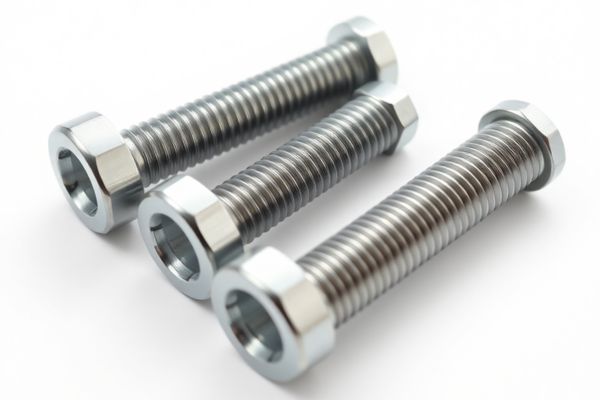
Stud Bolts

Stud Bolts

Double-ended threaded fasteners used for flange connections and high-pressure assemblies in industrial applications.
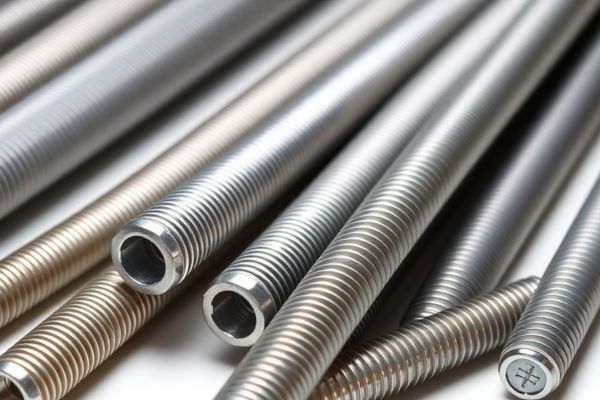
Threaded Bolts

Threaded Rods

Fully threaded bars designed for adjustable fastening, anchoring, and structural support across various installations.
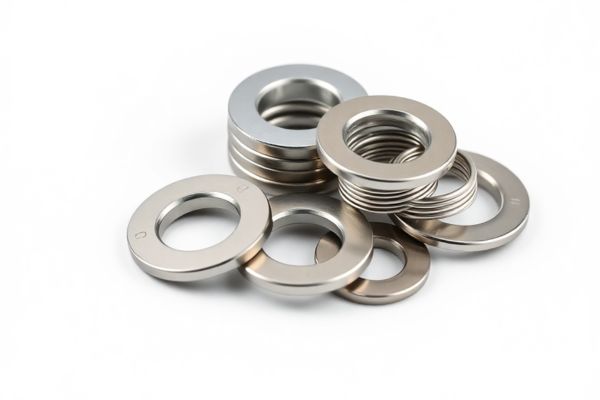
Washers

Washers

Flat or shaped spacers placed under fasteners to distribute load, reduce wear, and improve joint stability.
Fastener Types and Common Uses in Cement Plants

Fastener Type Common Use
High-Strength Hex Bolts Structural and equipment mounting in crushers, conveyors, and kiln support assemblies
Stud Bolts Flanged joint connections on ducts, pipelines, and process equipment handling hot gases and dust
Heavy Hex Nuts Used with high-strength bolts and studs in vibrating machinery and structural connections
Spring Washers Helps resist loosening in vibrating equipment such as feeders, screens, and conveyor systems
Flat Washers Load distribution and surface protection in steel structures, machinery bases, and ducting supports
Socket Head Cap Screws Securing gearboxes, motor assemblies, and confined-space machine components
Anchor Bolts Fixing heavy equipment, support frames, and base plates to concrete foundations

High Strength Fasteners For Reliable Cement Plants Operations

In cement plants, fasteners secure crushers, kilns, conveyors, ducting, mills, and support frames exposed to vibration, thermal cycling, abrasive dust, and sustained static loads. High-quality fasteners are critical to structural integrity, safe equipment retention, and stable process uptime under continuous stress. Correct preload, material strength, and corrosion resistance help prevent loosening, joint fatigue, and unplanned shutdowns. Precision components also support maintenance consistency and compliance in performance-critical mechanical assemblies.

Low-quality fasteners can crack, strip, relax under heat, or fail under dynamic loading, creating risks to personnel, rotating equipment, and plant availability. For cement applications, conformity to ISO standards, supported by material traceability, torque control, and engineering validation, is essential for dependable service life. Real-world reliability depends on tested mechanical properties, verified dimensions, and application-specific selection rather than nominal fit alone. In cement plants, fastening integrity must be engineered, validated, and never assumed.

Certified Material Integrity

Alloy Steel

Proven high strength and fatigue resistance for kiln supports and crushers using high-strength bolts

Stainless Steel

Provides corrosion resistance and thermal stability in preheater towers with engineered fastening solutions validated onsite

Nickel Alloy

Maintains thermal stability and oxidation resistance around clinker coolers through precision components specified for reliability

Titanium Alloy

Offers superior corrosion resistance and low weight in dust collectors using industrial fasteners for longevity

High Strength Fasteners For Cement Plants

What materials are best for fasteners in cement plants?

ASTM alloy steel and stainless steel fasteners are preferred for abrasion, vibration, and corrosion resistance in kiln, crusher, and conveyor assemblies.

Why are high-strength bolts important in cement plant equipment?

High-strength bolts maintain clamp load under heavy vibration and thermal cycling, reducing loosening and fatigue failures in critical structural fasteners.

How should fasteners be selected for cement plant applications?

Select by load, temperature, corrosion exposure, and joint design, using ISO or DIN grades to match required strength, fit, and service life.

Discuss Industrial Fasteners for Reliable Cement Plants

Discuss plant-specific loads and sourcing needs with a manufacturer, stockist, supplier, and exporter