Home » Applications » Fasteners for Elevators
In elevator systems, application-specific fasteners secure guide rails, brackets, machine beds, doors, and car assemblies to maintain alignment and controlled travel. These industrial fasteners function as structural fasteners and precision components, preserving joint integrity in shafts and support frames where dimensional stability directly influences ride quality and passenger safety.
Elevator joints face repeated start-stop cycles, concentrated load distribution, constant vibration, thermal expansion between dissimilar materials, and corrosion exposure in humid or coastal buildings. High-strength bolts with proven fatigue resistance help retain preload and clamp force despite dynamic stresses from traction equipment, braking events, and door operation.
Reliable selection depends on engineering validation, torque verification, and compliance with ISO, ASTM, and DIN requirements for material grades, threads, and protective finishes. Documented inspection and testing for preload retention, dimensional accuracy, and coating performance support industrial fastening systems used as performance-critical components in regulated elevator installations.

Threaded fasteners designed for strong mechanical joints across structural and industrial assemblies.
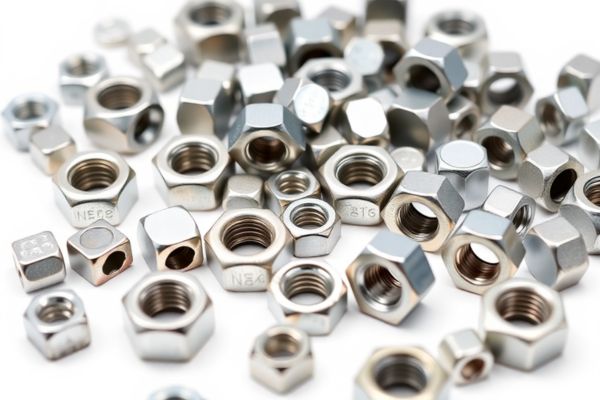
Internally threaded components designed to pair with bolts for secure fastening. Manufactured to provide reliable clamping force.
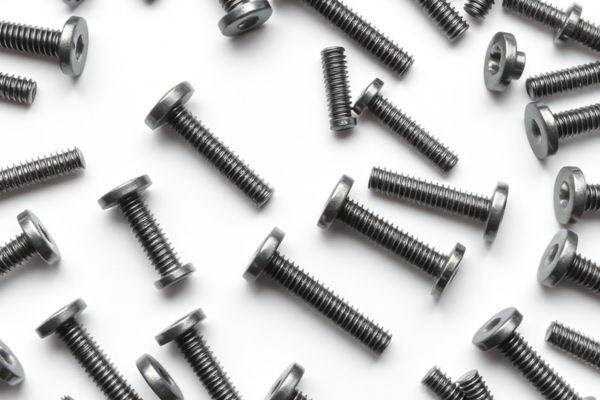
Threaded fasteners engineered for secure fastening into materials like metal, wood, or plastic without the need for a nut.
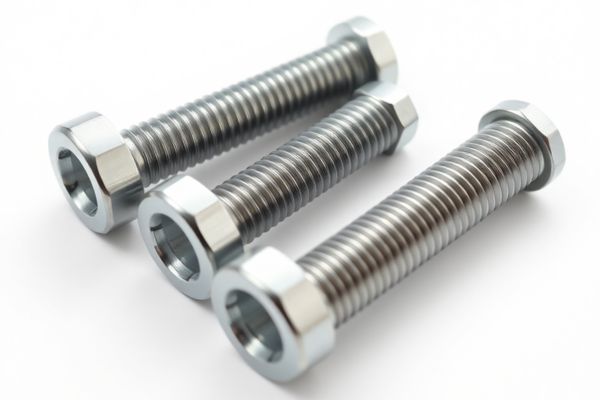
Double-ended threaded fasteners used for flange connections and high-pressure assemblies in industrial applications.
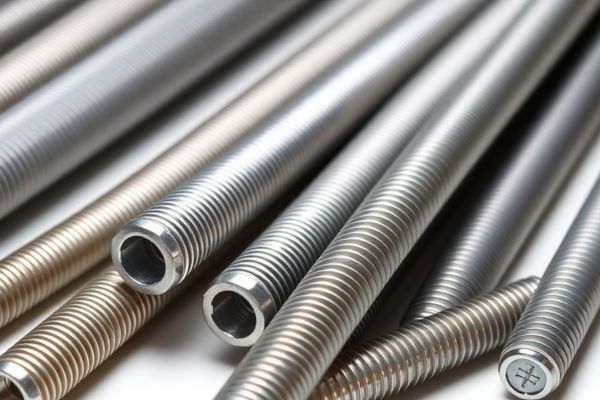
Fully threaded bars designed for adjustable fastening, anchoring, and structural support across various installations.
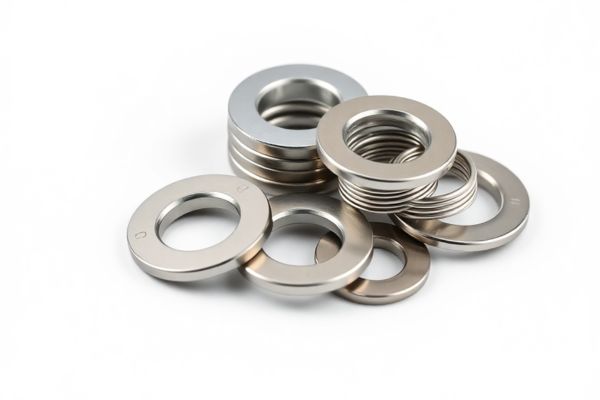
Flat or shaped spacers placed under fasteners to distribute load, reduce wear, and improve joint stability.
| Fastener Type | Common Use |
|---|---|
| Hex Head Bolts | Securing guide rail brackets, machine base frames, and structural mounting assemblies in elevator systems. |
| Anchor Bolts | Fixing elevator support structures, rail brackets, and equipment bases to concrete shafts and machine rooms. |
| Socket Head Cap Screws | Used in compact mechanical assemblies such as door operators, control equipment mounts, and machine components. |
| Threaded Studs | Providing secure mounting for machinery, support brackets, and vibration-isolated equipment connections. |
| Hex Nuts | Paired with bolts and studs for fastening rail supports, machine assemblies, and structural connections. |
| Lock Nuts | Preventing loosening in vibrating components such as traction machinery, guide assemblies, and door systems. |
| Flat Washers | Distributing load and protecting contact surfaces in rail mounting, bracket fastening, and machine installation. |
In elevators, fasteners secure guide rails, car frames, doors, and counterweight assemblies under repeated dynamic loads. High-quality fasteners are critical to maintain structural integrity, resist vibration loosening, and control joint stress during constant start stop cycles. High-strength fasteners and precision components preserve alignment, safety, and long service life in demanding shaft conditions.
Low-quality fasteners can corrode, lose preload, or crack in fatigue, leading to misalignment, noise, downtime, and unsafe operation. Specifying fasteners manufactured to ISO standards, with inspection, testing, and engineering validation, is essential for performance-critical elevator systems. Compliance data and reliable clamp load verification are non-negotiable for safety focused installations.
Alloy Steel
High fatigue resistance supports guide rail brackets and hoist assemblies with validated high-strength bolts performance.
Titanium Alloys
Exceptional corrosion resistance and low weight suit elevator control linkages requiring precision components under cyclic loading.
Brass Alloys
Good corrosion resistance and electrical conductivity fit elevator terminal connections using engineered fastening solutions reliably.
Polymer Composites
Vibration damping and thermal stability benefit interior panel mounts and cab assemblies with precision components.
High-strength bolts in alloy steel or stainless steel offer load capacity and corrosion resistance for elevator assemblies, depending on shaft conditions and maintenance requirements.
Precision structural fasteners maintain joint integrity under vibration, cyclic loading, and alignment stress, helping elevator systems operate safely, smoothly, and reliably.
Select fasteners meeting ISO, DIN, or ASTM specifications to ensure dimensional accuracy, tensile performance, traceability, and compatibility with critical elevator components.