
Fasteners for Fire Fighting Systems

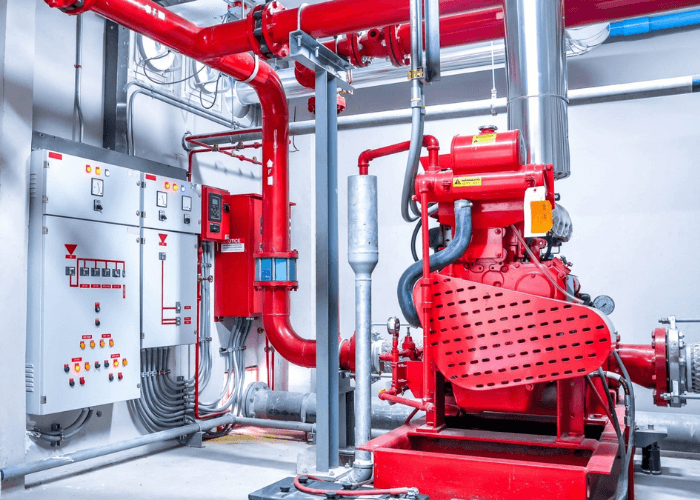
Fire fighting systems demand fasteners that perform under extreme heat, pressure, and corrosive environments. Engineered fasteners in stainless steel and alloy steel ensure structural integrity across pipelines, sprinkler assemblies, and suppression units. Compliant with ASTM standards, RealBolt delivers precision components combining corrosion resistance and high tensile strength for reliable fire safety infrastructure.

Engineered Fasteners for Fire Fighting Systems

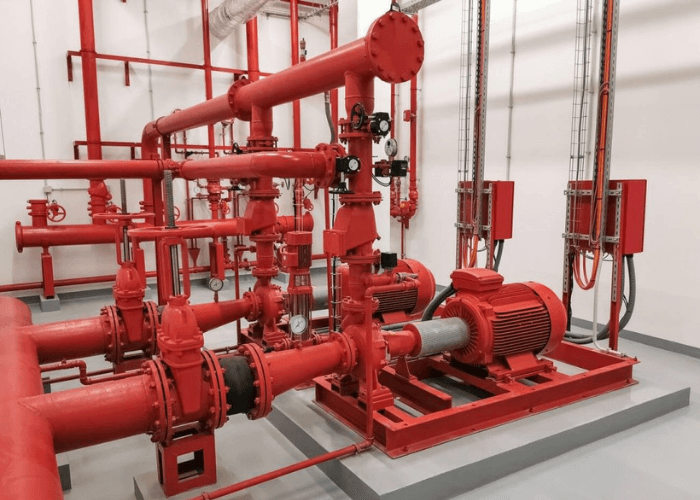
Fire fighting systems use application-specific fasteners to secure pipe hangers, valve assemblies, pump skids, sprinkler brackets, and control panels. These industrial fasteners preserve alignment, sealing integrity, and joint stability in suppression networks. Structural fasteners and precision components are chosen to resist loosening, maintain geometry, and support installation.

In service, assemblies face static and dynamic loads from piping, pump start-up, and vibration. Fasteners must sustain load distribution while accommodating thermal expansion between pipe, supports, and hardware. Humidity, washdown chemicals, and corrosion exposure demand materials, while high-strength bolts with fatigue resistance help retain clamp force during emergency duty.

Reliability depends on fastening selections validated to ISO and ASTM requirements for strength, dimensions, and corrosion protection. Engineering checks verify torque, fit-up, and preload consistency to confirm secure engagement. This discipline supports industrial fastening systems used as performance-critical components in fire protection assemblies requiring traceability and documented quality.

Critical Industrial Fasteners for Fire Fighting Systems Components

Bolts

Bolts

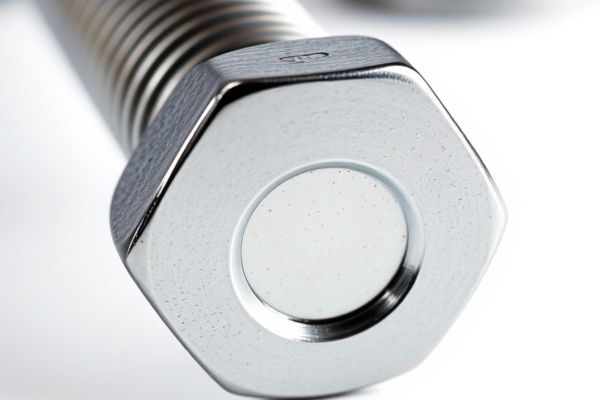
Threaded fasteners designed for strong mechanical joints across structural and industrial assemblies.
Nuts

Nuts

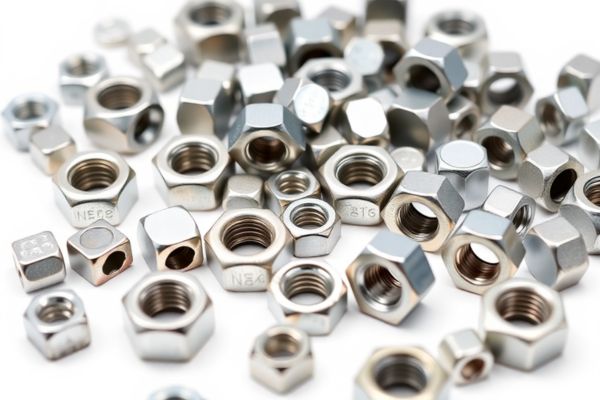
Internally threaded components designed to pair with bolts for secure fastening. Manufactured to provide reliable clamping force.
Screws

Screws

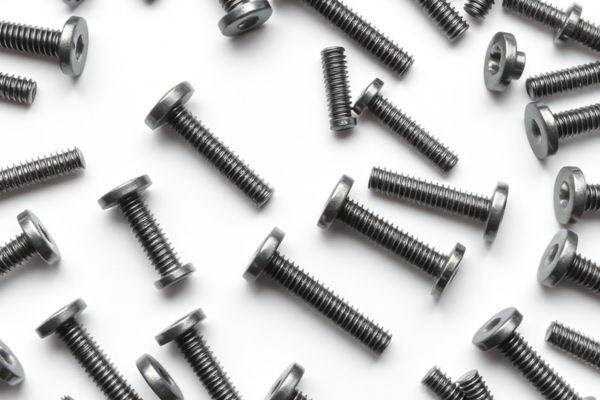
Threaded fasteners engineered for secure fastening into materials like metal, wood, or plastic without the need for a nut.
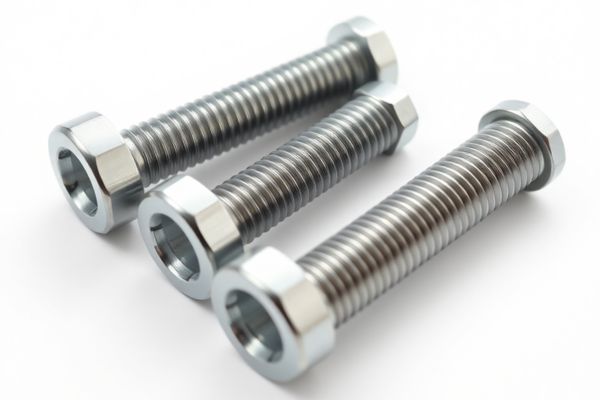
Stud Bolts

Stud Bolts

Double-ended threaded fasteners used for flange connections and high-pressure assemblies in industrial applications.
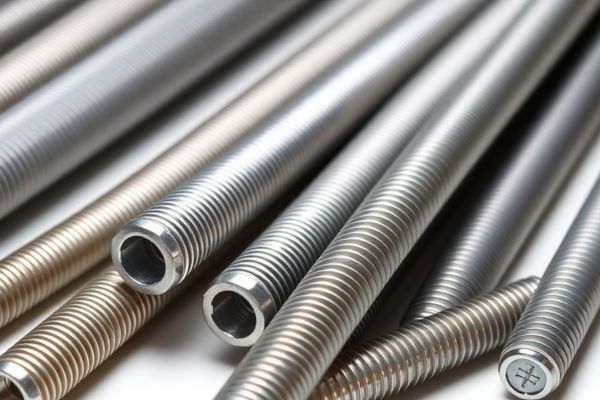
Threaded Bolts

Threaded Rods

Fully threaded bars designed for adjustable fastening, anchoring, and structural support across various installations.
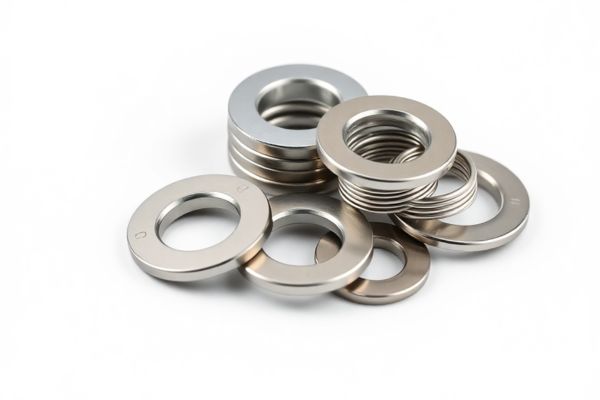
Washers

Washers

Flat or shaped spacers placed under fasteners to distribute load, reduce wear, and improve joint stability.
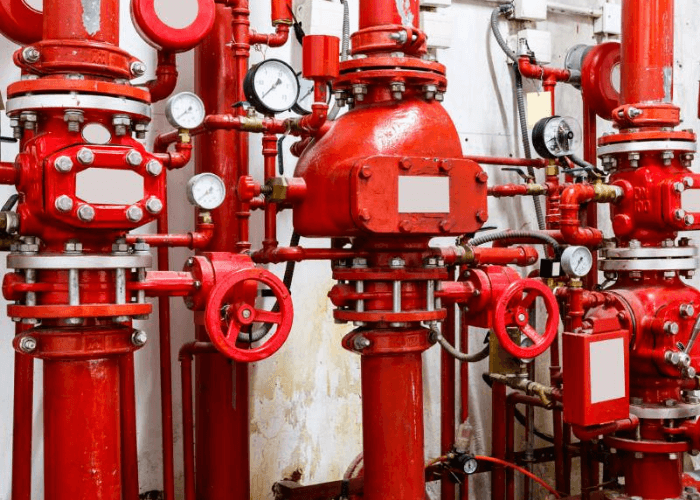
Fastener Types and Common Uses in Fire Fighting Systems

Fastener Type Common Use
Hex Bolts Securing pipe supports, valve assemblies, and pump base frames in fire protection systems
U-Bolts Clamping and supporting fire sprinkler and hydrant piping to brackets and structural members
Threaded Rods / Studs Suspending sprinkler pipe hangers, trapeze supports, and ceiling-mounted fire protection lines
Hex Nuts Used with bolts and threaded rods for joining pipe supports, flanges, and equipment mountings
Flat Washers Distributing load under bolts and nuts in pipe supports, bracket connections, and equipment fastening
Spring Washers Helping resist loosening in vibrating fire pump units and mechanical fire suppression equipment
Machine Screws Fastening control panels, alarm devices, detector housings, and enclosure covers in fire fighting systems

High Strength Fasteners For Reliable Fire Fighting Systems

In fire fighting systems, fasteners secure pump skids, valve assemblies, pipe supports, sprinkler lines, and control panels exposed to vibration, pressure cycling, heat, and corrosive moisture. High quality, high strength fasteners preserve structural integrity under operating loads and emergency surge forces. Correct preload, thread fit, and material selection limit loosening, leakage, and misalignment, ensuring dependable performance, durability, and compliant installation.

Low grade fasteners can crack, strip, or lose clamp force, creating hidden failure points that impair water delivery and equipment anchorage during an emergency. Specifying parts manufactured and tested to ASTM requirements, with traceable compliance, dimensional inspection, and engineering validation, improves performance critical reliability. In fire protection infrastructure, verified fastening systems are a non negotiable engineering safeguard.

Certified Material Integrity

Stainless Steel

Offers corrosion resistance and thermal stability for sprinkler networks, with precision components proven in humid service.

Brass Alloy

Provides dezincification resistance and fatigue strength for valve assemblies, supporting engineered fastening solutions in certified installations.

Aluminum Bronze

Delivers seawater corrosion resistance and structural durability for offshore fire suppression skids, using validated structural fasteners.

Titanium Alloy

Combines high strength and thermal stability for lightweight emergency systems, where high-strength bolts ensure reliability.

Industrial Fasteners For Fire Fighting Systems FAQ

What materials are best for fasteners in fire fighting systems?

Stainless steel grades like ASTM A193 B8 and corrosion resistant coatings are preferred for durable industrial fasteners exposed to moisture, heat, and aggressive service conditions.

How do high strength bolts improve fire fighting system performance?

High-strength bolts maintain joint integrity under vibration, pressure surges, and thermal stress, supporting reliable structural fasteners performance in pumps, valves, and pipe support assemblies.

Which standards matter when selecting fasteners for fire fighting systems?

Selection should consider ISO, DIN, or ASTM requirements, along with load, corrosion exposure, and compatibility, to ensure precision fasteners meet installation and safety demands.

Discuss Industrial Fasteners for Fire Fighting Systems

Specify compliant stainless steel or alloy steel structural fasteners for critical fire protection assemblies with the manufacturer, stockist, supplier, and exporter RealBolt, backed by ISO, ASTM, and engineering support for precision components.