

Fasteners for Furniture

Furniture manufacturing demands precision components that ensure structural integrity across every joint and assembly. From stainless steel wood screws to alloy steel cam bolts, engineered fasteners must meet ISO standards while delivering durability and corrosion resistance. RealBolt supplies high-performance industrial fasteners purpose-built for reliable, long-lasting furniture applications.

Precision Furniture Fasteners for Engineered Assemblies

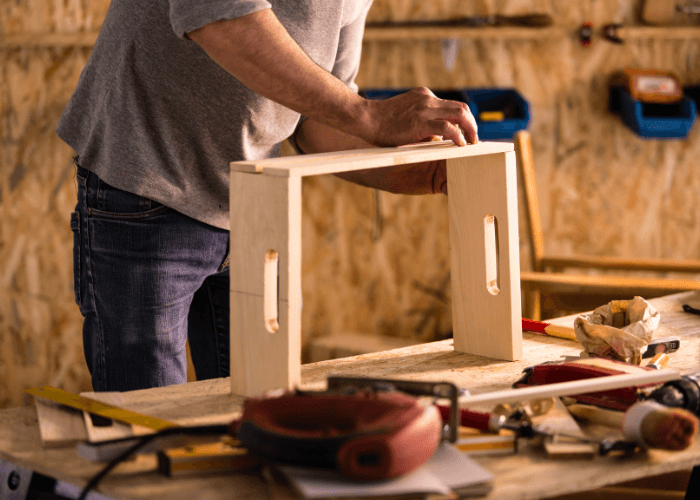
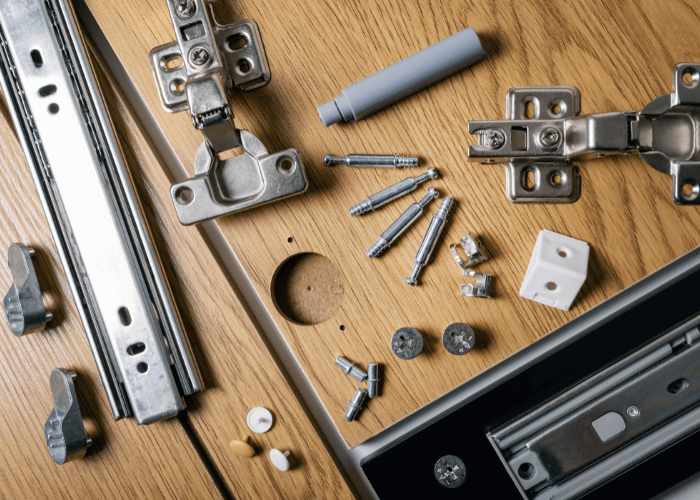
In furniture manufacturing, furniture fasteners secure joints, panels, frames, and hardware while maintaining alignment, rigidity, and serviceability under service loads. Application-specific fasteners control clamp force in wood, metal, and composite assemblies, where structural fasteners and precision components support accurate fit, efficient assembly, and durable joint integrity.

Furniture assemblies see cyclic seating loads, drawer impact, racking forces, and installation stresses that affect load distribution through connected members during service. Fasteners may also face vibration in transport, thermal expansion from climate variation, and corrosion exposure from humidity or cleaners, so fatigue resistance and thread retention are essential requirements.

Reliable furniture fastening depends on verified material properties, lot traceability, torque control, and conformance to ISO and DIN requirements for threads, tolerances, and coatings. Engineering validation through pull-out testing, shear evaluation, and salt-spray assessment helps qualify industrial fastening systems as performance-critical components for durable, repeatable production.

Essential Furniture Fasteners Classifications for Precision Assemblies

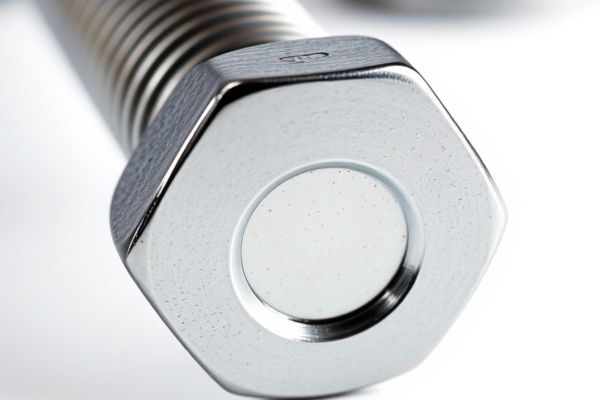
Bolts

Bolts

Threaded fasteners designed for strong mechanical joints across structural and industrial assemblies.
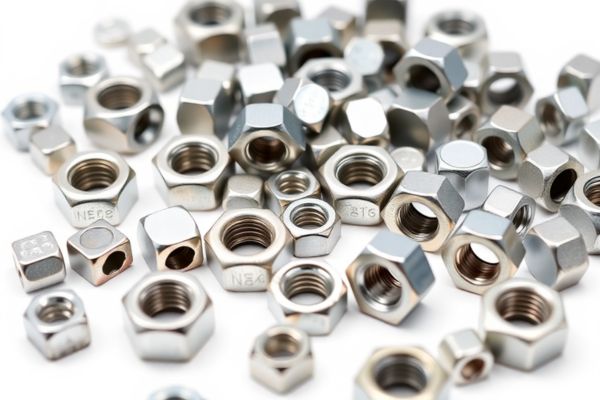
Nuts

Nuts

Internally threaded components designed to pair with bolts for secure fastening. Manufactured to provide reliable clamping force.
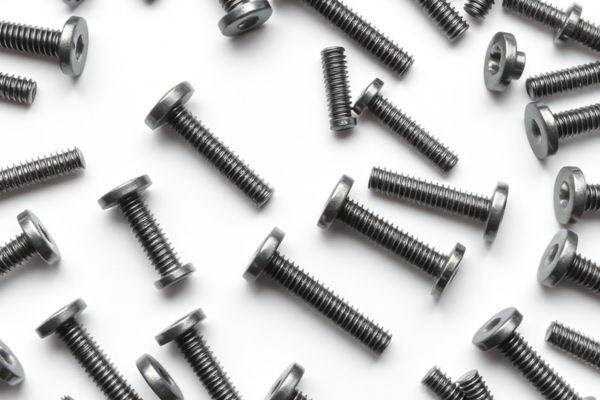
Screws

Screws

Threaded fasteners engineered for secure fastening into materials like metal, wood, or plastic without the need for a nut.
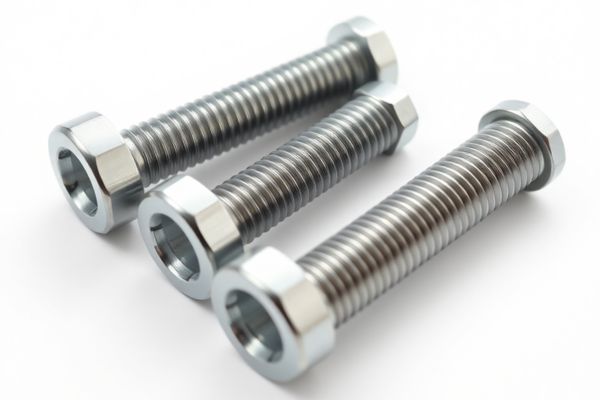
Stud Bolts

Stud Bolts

Double-ended threaded fasteners used for flange connections and high-pressure assemblies in industrial applications.
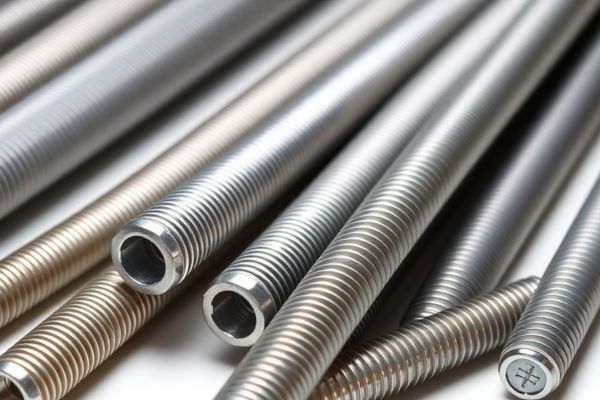
Threaded Bolts

Threaded Rods

Fully threaded bars designed for adjustable fastening, anchoring, and structural support across various installations.
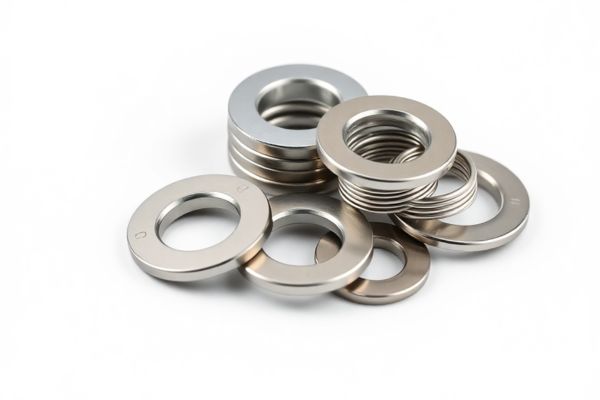
Washers

Washers

Flat or shaped spacers placed under fasteners to distribute load, reduce wear, and improve joint stability.
Fastener Types and Common Uses in Furniture Applications

Fastener Type Common Use
Wood Screws Joining wooden panels, frames, and structural furniture components
Confirmat Screws Assembling particleboard, MDF, and engineered wood furniture
Machine Screws Attaching metal hardware, brackets, hinges, and drawer slides
Carriage Bolts Securing wooden legs, frames, and heavy-duty furniture joints
Hex Bolts Fastening structural parts in metal and mixed-material furniture assemblies
Threaded Studs Providing fixed mounting points in knock-down and modular furniture systems
Hex Nuts Used with bolts and studs to secure load-bearing furniture connections
Flat Washers Distributing load and protecting wood or metal surfaces at bolted joints

Precision Furniture Fasteners For Reliable Structural Performance

In furniture manufacturing, fastener quality controls joint stability, load transfer, and long term safety. Chairs, cabinets, and modular systems face repeated assembly forces, vibration, and user induced stress that can loosen weak hardware. High strength fasteners and precision components preserve structural integrity, limit movement at wood or metal interfaces, and maintain service life while supporting compliance with safety and durability requirements.

Low quality fasteners may strip, corrode, or lose clamp force, causing wobble, misalignment, and premature failure under cyclic loading. Selection should follow ISO standards and be backed by material verification, torque testing, and engineering validation for performance critical joints. In engineered furniture, proven fastener reliability is a non negotiable design requirement.

Certified Material Integrity

Brass Alloy

Corrosion-resistant and decorative, suited for visible joinery and cabinet hardware using precision components validated for longevity.

Aluminum Alloy

Lightweight with good corrosion resistance, ideal for modular frames and panels requiring engineered fastening solutions.

Titanium Alloy

Exceptional strength-to-weight and fatigue resistance support premium adjustable fittings where high-strength bolts ensure reliable service.

Zinc Alloy

Cost-effective with adequate strength, widely used in concealed connectors and knock-down fittings as structural fasteners.

Precision Furniture Fasteners For Industrial Applications

What materials are best for furniture fasteners?

Stainless steel and zinc plated carbon steel are common for furniture fasteners, offering corrosion resistance, durability, and reliable clamping in indoor and light industrial environments.

How do high strength bolts improve furniture performance?

High strength bolts improve joint stability, load capacity, and vibration resistance in furniture frames, especially where repeated assembly, heavy use, or structural fasteners are required.

Which standards matter when selecting furniture fasteners?

Select fasteners meeting DIN or ISO standards to ensure dimensional accuracy, thread compatibility, and consistent performance across precision furniture manufacturing and assembly processes.

Explore Precision Furniture Fasteners for Reliable Sourcing

Discuss furniture fastening requirements and source compliant precision components from a manufacturer, stockist, supplier, and exporter, with RealBolt offering stainless steel and alloy steel options to ISO or DIN standards for engineered fastening solutions.