Home » Applications » Fasteners for Laboratories
In laboratories, application-specific fasteners secure instrument frames, analytical equipment, cabinets, benches, and utility mounts where dimensional stability and clean assembly are essential. These industrial fasteners maintain alignment, controlled clamp force, and serviceability, while structural fasteners, precision components, and engineered fastening solutions help prevent drift, misalignment, or loosening in sensitive systems.
Laboratory assemblies operate under vibration from pumps, mixers, and centrifuges, uneven load distribution in compact mechanical layouts, thermal expansion during sterilization or heated processes, and corrosion exposure from disinfectants, humidity, and chemical reagents. Correct joint design, material pairing, and preload control using high-strength bolts improve fatigue resistance, preserve integrity, and reduce maintenance-related failure across repeated duty cycles.
Reliable laboratory fastening requires verified material properties, torque consistency, and conformance to ISO, ASTM, and DIN requirements governing threads, coatings, and mechanical performance. Qualified industrial fastening systems are supported by inspection records, traceability, and engineering validation, ensuring performance-critical components meet compliance targets, installation criteria, and long-term safety expectations in regulated technical environments.

Threaded fasteners designed for strong mechanical joints across structural and industrial assemblies.
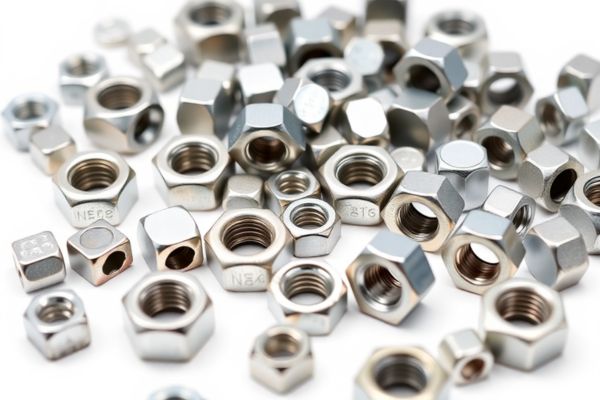
Internally threaded components designed to pair with bolts for secure fastening. Manufactured to provide reliable clamping force.
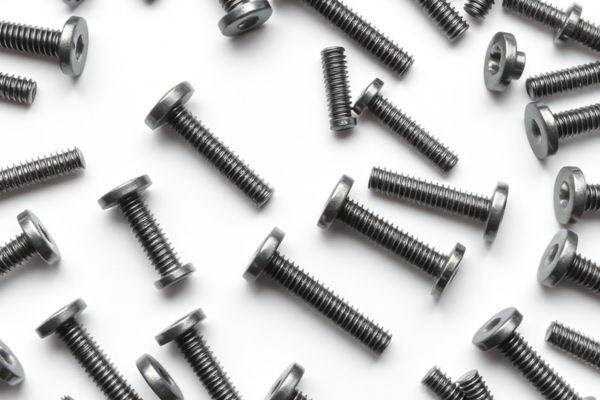
Threaded fasteners engineered for secure fastening into materials like metal, wood, or plastic without the need for a nut.
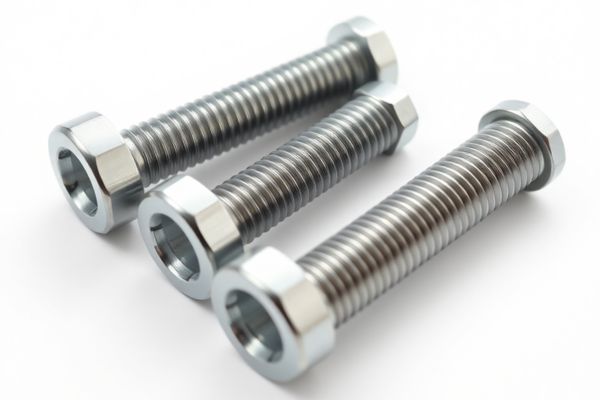
Double-ended threaded fasteners used for flange connections and high-pressure assemblies in industrial applications.
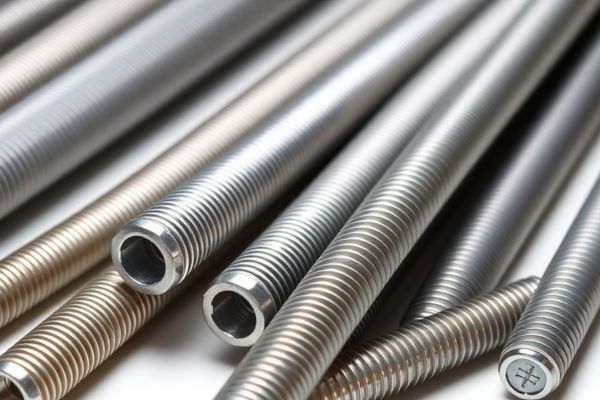
Fully threaded bars designed for adjustable fastening, anchoring, and structural support across various installations.
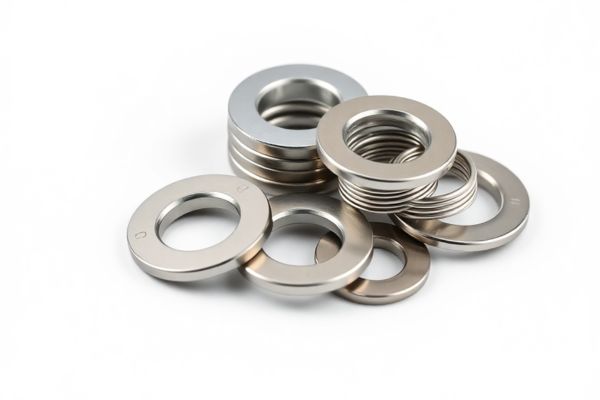
Flat or shaped spacers placed under fasteners to distribute load, reduce wear, and improve joint stability.
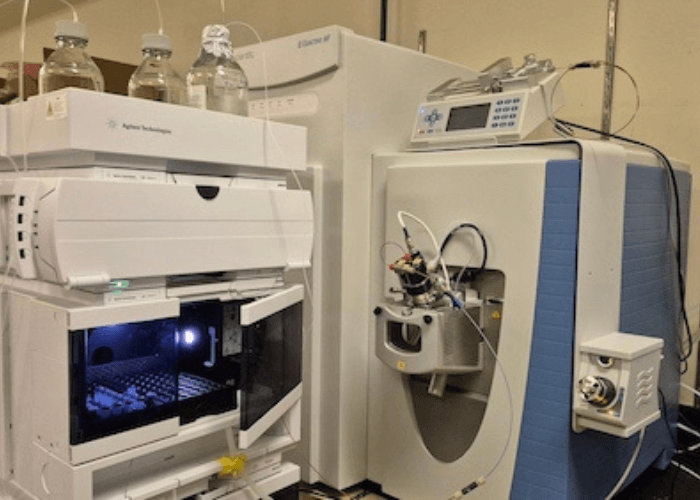
| Fastener Type | Common Use |
|---|---|
| Stainless Steel Hex Bolts | Securing laboratory equipment frames, benches, and support structures where corrosion resistance is required. |
| Socket Head Cap Screws | Assembling precision laboratory instruments and enclosures with high-strength, compact fastening. |
| Machine Screws | Fastening control panels, instrument covers, and electronic housings used in laboratory systems. |
| Stud Bolts | Mounting pumps, valves, and flanged piping connections in laboratory process and testing setups. |
| Hex Nuts | Used with bolts and studs for securing equipment assemblies, structural mounts, and utility installations. |
| Lock Washers | Helping prevent loosening from vibration in centrifuges, shakers, and other dynamic lab equipment. |
| Flat Washers | Distributing load and protecting surfaces when fastening laboratory furniture, instruments, and mounted devices. |
In laboratories, fasteners secure instrument frames, containment panels, and vibration-sensitive assemblies where small shifts can distort results or compromise safety. High-quality precision components maintain clamp load under cyclic stress, thermal variation, and frequent service. This supports durability, contamination control, and structural integrity while helping critical equipment meet validation and operating compliance requirements.
Low-grade fasteners can loosen, corrode, gall, or shed particles, creating calibration drift, leakage paths, and unplanned downtime in performance-critical environments. Selecting fasteners manufactured and tested to ISO 3506 or comparable specifications improves traceability, material consistency, and engineering validation. Compliance review, torque testing, and documented inspection are essential to reliable laboratory operation and defensible technical performance.
Stainless Steel
Corrosion-resistant and cleanable, ideal for laboratory enclosures and instrumentation using validated precision components.
Titanium Alloy
High strength-to-weight and chemical resistance support analytical equipment mounts with engineered fastening solutions for reliability.
Brass Alloy
Good conductivity and moderate corrosion resistance suit laboratory electrical terminals, supporting dependable precision components.
Aluminum Alloy
Lightweight with solid thermal stability, used in lab access panels and fixtures with proven structural fasteners.
Stainless steel 316 and ASTM B8 fasteners offer corrosion resistance, cleanability, and durability for laboratory equipment exposed to chemicals, moisture, and controlled environments.
High-strength bolts provide reliable clamping, vibration resistance, and dimensional stability in precision instruments, test rigs, and industrial laboratory assemblies requiring consistent performance.
Review load, chemical exposure, sterilization cycles, thread type, and ISO or DIN compliance to specify precision fasteners that ensure safety, compatibility, and long service life.