
Fasteners for Instrumentation

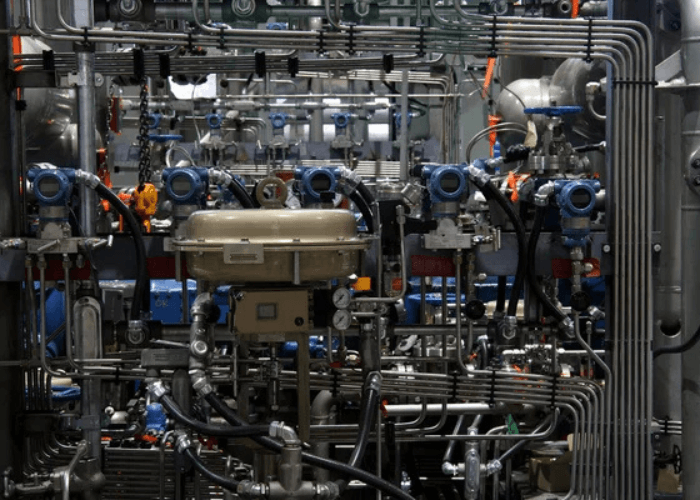
Instrumentation systems demand precision components that ensure signal integrity and structural reliability under demanding conditions. Application-specific fasteners in stainless steel and alloy steel, compliant with ISO standards, deliver the corrosion resistance and thermal stability these environments require. RealBolt engineers high-strength bolts built for instrumentation-grade performance.

Precision Instrumentation Fasteners for Control Assemblies

In instrumentation assemblies, fasteners secure transmitters, panels, and tube supports while maintaining alignment and grounding. Instrumentation fasteners must deliver clamp force without deforming thin sections or threaded housings. Precision components and engineered fastening solutions are critical to calibration stability, enclosure integrity, and repeatable servicing.

Instrumentation hardware faces vibration, thermal expansion, and corrosion exposure from moisture, chemicals, and outdoor service. Correct selection improves load distribution across brackets and covers, limiting loosening and seal loss during cycling. Where cabinets or skids see dynamic loading, high-strength bolts with fatigue resistance preserve joint integrity over time.

For reliability, fasteners are specified to ISO 898-1 and ASTM requirements, with DIN dimensions used where needed. Engineering validation includes material certification, torque checks, coating verification, and thread inspection. These controls support industrial fastening systems in performance-critical components, helping instrumentation assemblies meet traceability and service-life expectations.

Precision Instrumentation Fasteners Classifications

Bolts

Bolts

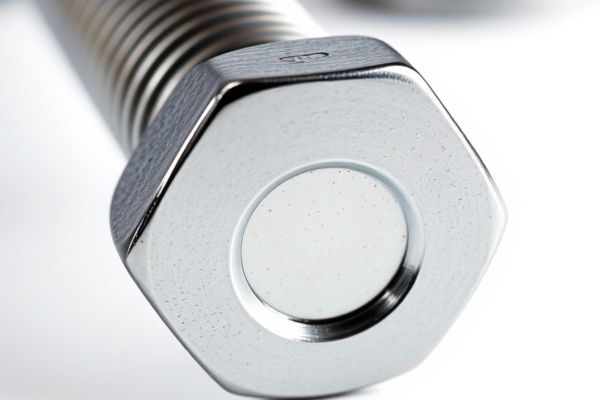
Threaded fasteners designed for strong mechanical joints across structural and industrial assemblies.
Nuts

Nuts

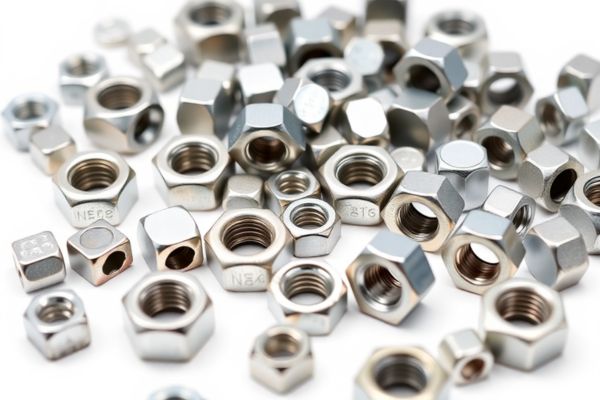
Internally threaded components designed to pair with bolts for secure fastening. Manufactured to provide reliable clamping force.
Screws

Screws

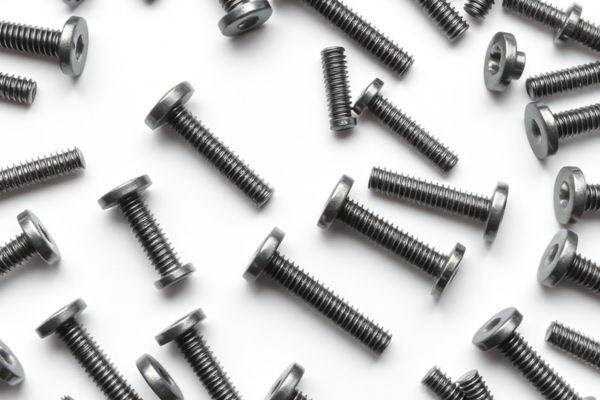
Threaded fasteners engineered for secure fastening into materials like metal, wood, or plastic without the need for a nut.
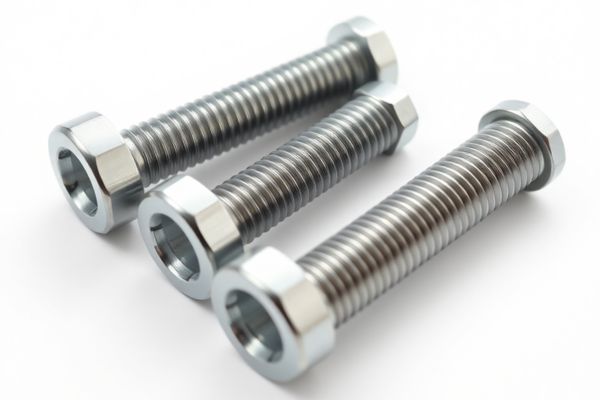
Stud Bolts

Stud Bolts

Double-ended threaded fasteners used for flange connections and high-pressure assemblies in industrial applications.
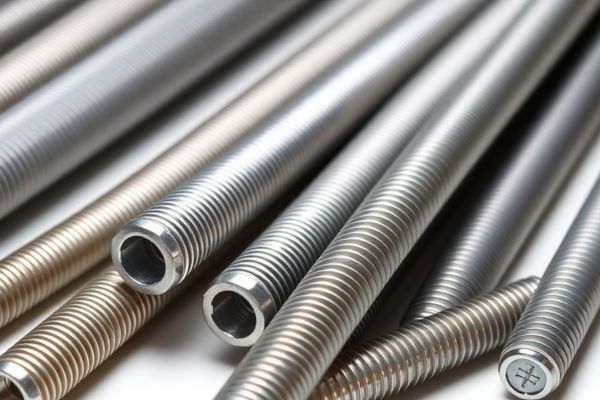
Threaded Bolts

Threaded Rods

Fully threaded bars designed for adjustable fastening, anchoring, and structural support across various installations.
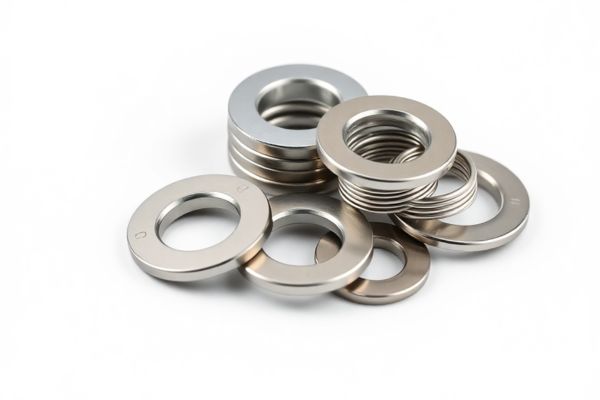
Washers

Washers

Flat or shaped spacers placed under fasteners to distribute load, reduce wear, and improve joint stability.
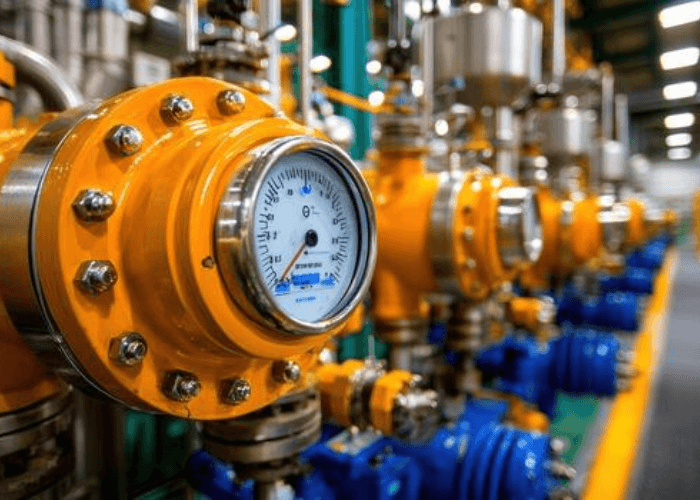
Fastener Types and Common Uses in Instrumentation

Fastener Type Common Use
Hex Head Bolts Securing instrument mounting brackets, support frames, and panel structures.
Socket Head Cap Screws Fastening compact instrumentation assemblies where high strength and limited tool clearance are required.
Machine Screws Attaching control panels, terminal blocks, covers, and small instrument housings.
Stud Bolts Used in flanged instrument connections, manifolds, and pressure gauge installations for secure clamping.
Hex Nuts Paired with bolts and studs in instrument supports, enclosures, and process connection assemblies.
Flat and Spring Washers Providing load distribution and vibration resistance in transmitters, junction boxes, and mounting hardware.

Precision Instrumentation Fasteners For Reliable Industrial Performance

In instrumentation systems, fasteners must secure transmitters, control panels, tubing supports, and enclosures without loosening under vibration, thermal cycling, or pressure fluctuations. High-quality fasteners preserve structural integrity, maintain alignment of precision components, and prevent leakage or signal drift caused by joint movement. For performance-critical assemblies, correct preload, material compatibility, and corrosion resistance directly affect safety, service life, and compliance in regulated industrial environments.

Low-quality fasteners can strip, relax, or corrode prematurely, creating inaccurate readings, containment loss, and unplanned shutdowns. In instrumentation service, conformance to ISO standards, traceable materials, and validated torque performance are essential for reliability under sustained stress. Engineering validation, inspection, and testing confirm dimensional accuracy and load capacity before installation. For critical measurement and control systems, only standards-compliant fasteners deliver dependable field performance.

Certified Material Integrity

Stainless Steel

Offers corrosion resistance and cleanability for analyzers and transmitters, supporting validated precision components in process skids.

Brass Alloy

Provides conductivity and galling resistance in pneumatic fittings, where engineered fastening solutions ensure dependable calibration stability.

Monel Alloy

Delivers chloride corrosion resistance for offshore instrument tubing, proven for industrial fasteners in saline control panels.

Titanium Alloy

Combines strength and thermal stability for analytical enclosures, enabling reliable high-strength bolts in aggressive chemical service.

Precision Instrumentation Fasteners For Critical Industrial Systems

What materials are best for instrumentation fasteners?

Stainless steel 316, Alloy 20, and duplex grades are preferred for corrosion resistance, precision fit, and long service life in instrumentation assemblies.

Why are high strength bolts used in instrumentation applications?

High strength bolts maintain clamp load, resist vibration, and support leak tight joints in industrial instrumentation exposed to pressure cycling and thermal variation.

Which standards matter when selecting instrumentation fasteners?

Select fasteners meeting ASTM, ISO, or DIN standards to ensure dimensional accuracy, material traceability, and reliable performance in precision industrial systems.

Discuss Precision Instrumentation Fasteners for Reliable Sourcing

Discuss instrumentation requirements and source precision components in stainless steel or alloy steel with ISO/DIN compliance from a trusted manufacturer, stockist, supplier, and exporter, where RealBolt delivers engineered fastening solutions for reliable industrial performance.