
Fasteners for Railways & Metro

Railways and metro systems demand precision-engineered fasteners that ensure structural integrity under constant vibration and heavy loads. From track assemblies to coach frameworks, high-strength bolts in alloy steel and stainless steel meet ISO standards for durability. RealBolt delivers certified industrial fasteners engineered for reliable, long-term railway performance.

Railways & Metro Engineered Fasteners

In railways and metro systems, application-specific fasteners secure rails, sleepers, bogies, braking assemblies, platforms, and signaling hardware where joint stability governs safety and geometry. These industrial fasteners act as structural fasteners and precision components, sustaining clamp force at interfaces, controlling movement, and supporting alignment in track and rolling stock.

Service conditions combine cyclic loading, vibration, impact, thermal expansion, and shifting load distribution from axle movement and braking forces. Fasteners must resist corrosion exposure from moisture, tunnel condensate, de-icing salts, and pollutants while maintaining preload, thread engagement, and fatigue resistance through repeated service cycles.

Reliable railway fastening design requires verification to ISO, ASTM, and DIN criteria for material properties, dimensions, and coating performance. Engineering review, torque control, traceability, and validation testing confirm suitability of performance-critical components within industrial fastening systems, supporting compliant installation and long-term reliability.

Critical Railways & Metro Fasteners Categories for High-Strength Systems

Bolts

Bolts

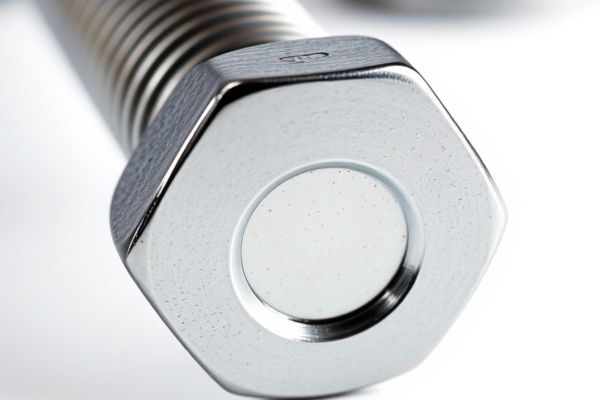
Threaded fasteners designed for strong mechanical joints across structural and industrial assemblies.
Nuts

Nuts

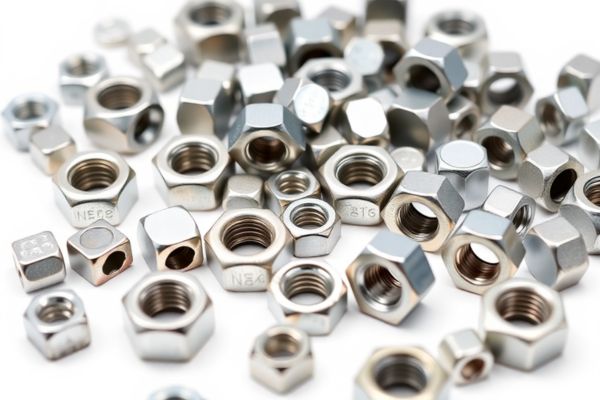
Internally threaded components designed to pair with bolts for secure fastening. Manufactured to provide reliable clamping force.
Screws

Screws

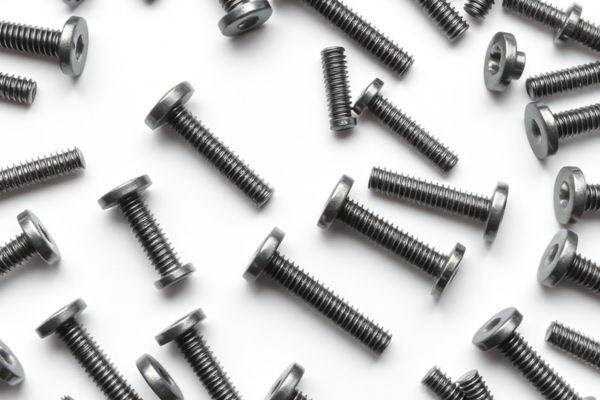
Threaded fasteners engineered for secure fastening into materials like metal, wood, or plastic without the need for a nut.
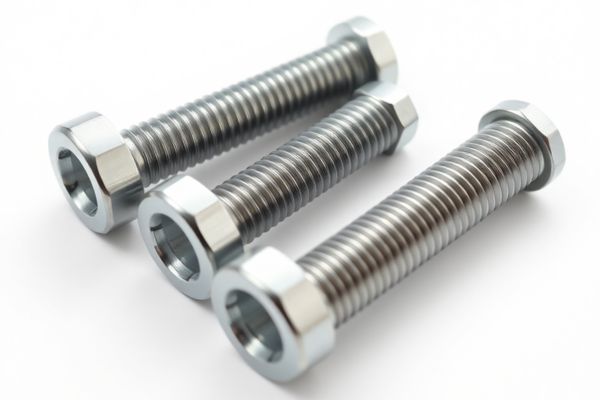
Stud Bolts

Stud Bolts

Double-ended threaded fasteners used for flange connections and high-pressure assemblies in industrial applications.
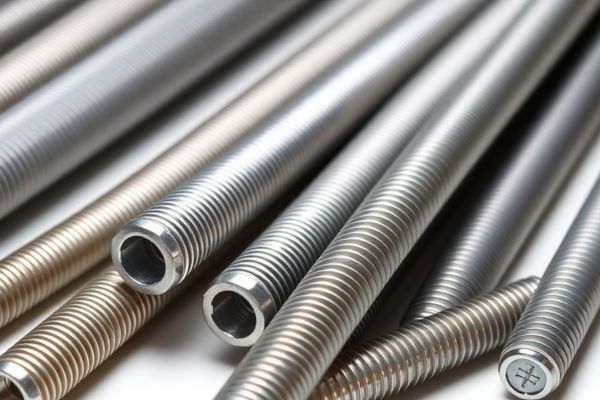
Threaded Bolts

Threaded Rods

Fully threaded bars designed for adjustable fastening, anchoring, and structural support across various installations.
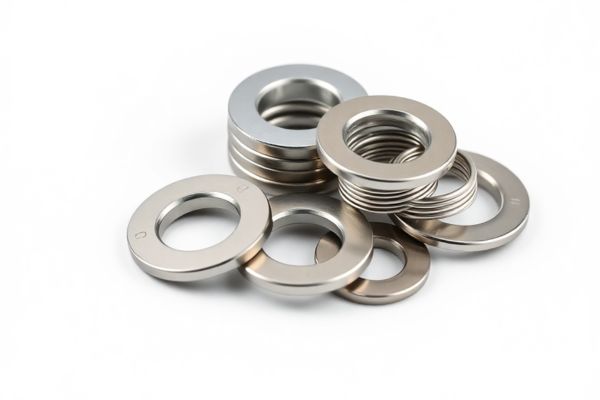
Washers

Washers

Flat or shaped spacers placed under fasteners to distribute load, reduce wear, and improve joint stability.
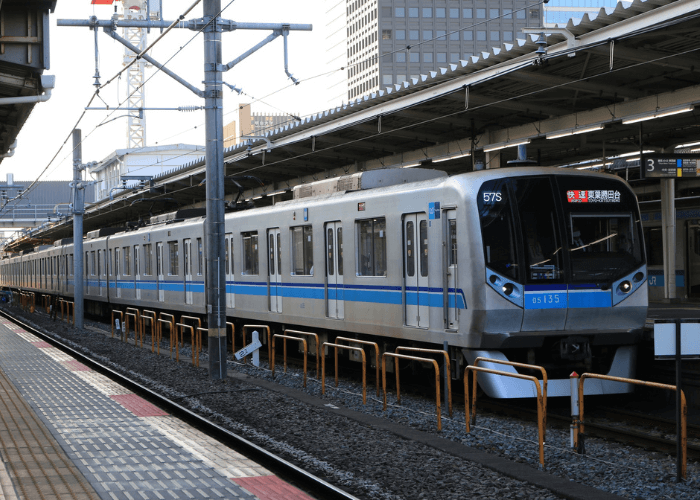
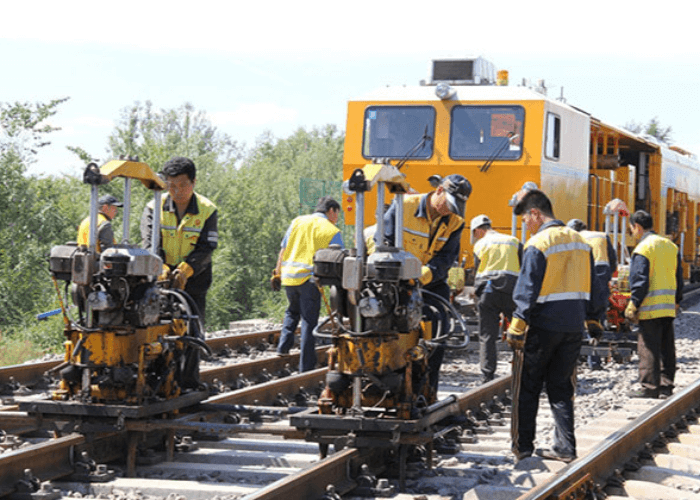
Fastener Types and Common Uses in Railways & Metro Applications

Fastener Type Common Use
Track Bolts Securing rail joints, fishplates, and rail fastening assemblies on railway tracks.
Stud Bolts Used in bogies, traction motors, brake systems, and other heavy-duty rail equipment connections.
Hex Bolts Fastening structural steel components in coaches, wagons, station platforms, and metro infrastructure.
Socket Head Cap Screws Assembly of signaling systems, electrical panels, onboard equipment, and compact mechanical components.
Lock Nuts Preventing loosening under vibration in railcar assemblies, suspension systems, and track equipment.
Spring Washers Providing anti-vibration locking support in rail fastening systems and rolling stock assemblies.
Flat Washers Distributing load and protecting joined surfaces in structural, track, and equipment fastening applications.

Why High Strength Fasteners Matter In Railways And Metro

Railways and metro systems impose repeated vibration, dynamic loads, braking forces, and environmental exposure on joints across tracks, rolling stock, signaling, and station structures. High-quality fasteners are essential to maintain structural integrity, resist loosening under cyclic stress, and support safe, durable operation. Precisely manufactured high-strength fasteners also help meet tight assembly tolerances and long service intervals.

Low-quality fasteners can fracture, corrode, or lose clamp load, creating risks of misalignment, fatigue damage, service disruption, and safety incidents. Selection to ISO standards, backed by material traceability, torque verification, corrosion testing, and engineering validation, is critical for performance-critical railway applications. In rail infrastructure, verified fastening reliability is a non-negotiable engineering requirement.

Certified Material Integrity

Alloy Steel

High tensile strength and fatigue resistance suit rail joints and bogie assemblies using validated high-strength bolts.

Titanium Alloy

Excellent corrosion resistance and weight reduction benefit metro brake systems and roof equipment with engineered fastening solutions.

Nickel Alloy

Outstanding thermal stability and creep strength perform reliably in traction motor zones and precision components.

Silicon Bronze

Superior corrosion resistance and conductivity support signaling housings and coastal infrastructure through trusted structural fasteners.

Railways And Metro High Strength Fasteners FAQ

What materials are best for Railways and Metro fasteners?

High-strength bolts in alloy steel, stainless steel, and ASTM grades are preferred for vibration resistance, corrosion protection, and long service life in rail infrastructure.

How do structural fasteners perform in railway and metro systems?

Structural fasteners maintain clamp load under dynamic loads, shock, and fatigue. Precision fastening improves joint integrity in tracks, coaches, signaling, and support assemblies.

Which standards matter when selecting industrial fasteners for railways?

Select industrial fasteners meeting ISO, DIN, or SAE requirements for strength, tolerance, and safety. Correct grade, coating, and thread form ensure reliable railway performance.

Discuss High-Strength Railways & Metro Fastener Solutions

Discuss project specifications with our manufacturer, stockist, supplier, and exporter team to source ISO and ASTM compliant stainless steel structural fasteners and precision components for transit systems, with RealBolt supporting custom engineering and dependable supply.