
Fasteners for Telecommunication Towers

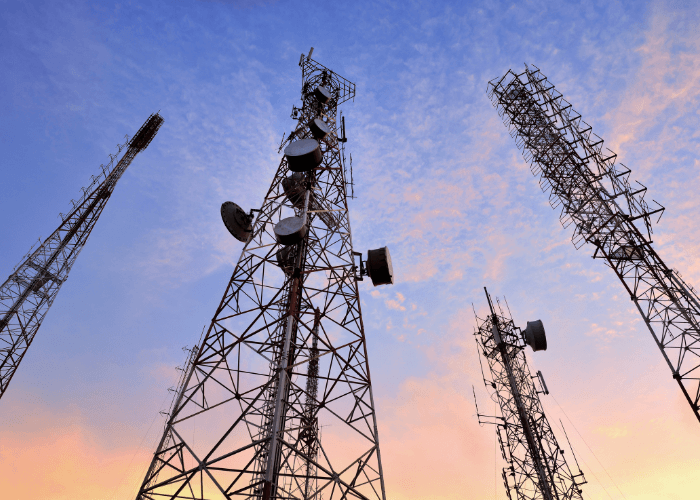
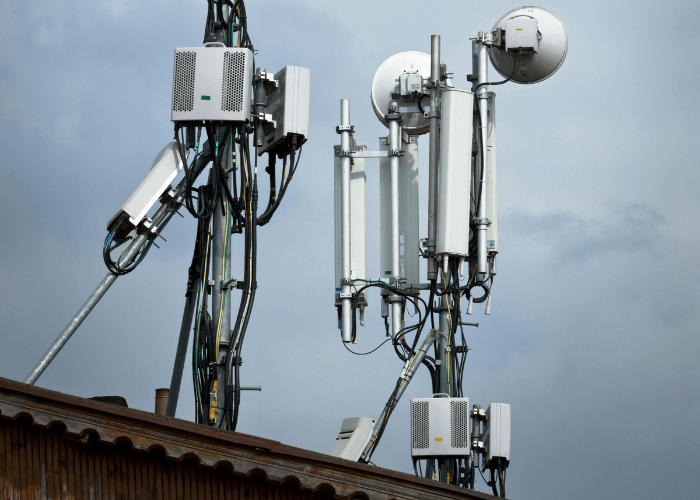
Telecommunication towers demand fasteners that withstand extreme wind loads, vibration, and corrosion. Engineered from stainless steel and alloy steel, these structural fasteners meet ISO standards for dimensional precision and load performance. RealBolt supplies high-strength bolts and precision components engineered for long-term durability and reliability in critical tower infrastructure.

High-Strength Fasteners for Telecommunication Towers

Telecommunication tower fasteners join leg sections, cross bracing, antenna mounts, and access platforms, preserving geometry and joint integrity. These application-specific fasteners must manage erection tolerances and future retrofits. Correct industrial fasteners serve as structural fasteners and precision components, transferring force without slip or preload loss.

Installed at elevation, tower joints face wind loading, cyclic vibration from equipment, and temperature swings that drive thermal expansion. Fasteners therefore require controlled load distribution, dependable preload retention, and resistance to corrosion exposure from rain, salt, and pollutants. High-strength bolts with fatigue resistance reduce loosening and crack initiation under fluctuating stresses.

For performance-critical tower connections, selection is validated against joint design, coating compatibility, and torque requirements. Compliance with ISO and ASTM or DIN specifications supports accuracy, mechanical properties, and traceability. Documented testing and engineering review confirm that these industrial fastening systems deliver repeatable preload and long-term reliability in service.

Structural Telecommunication Towers Fasteners Categories

Bolts

Bolts

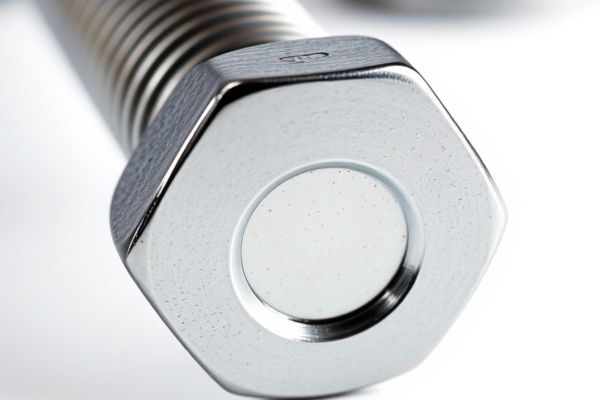
Threaded fasteners designed for strong mechanical joints across structural and industrial assemblies.
Nuts

Nuts

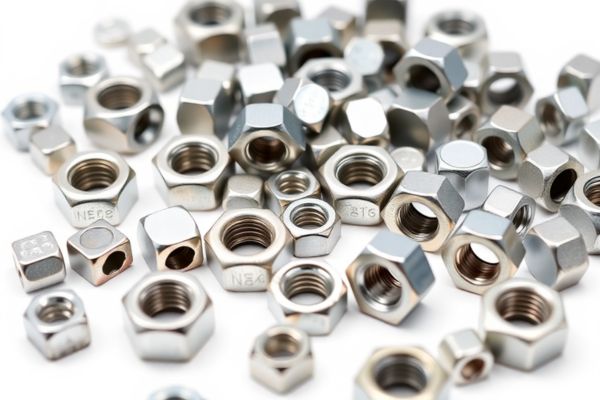
Internally threaded components designed to pair with bolts for secure fastening. Manufactured to provide reliable clamping force.
Screws

Screws

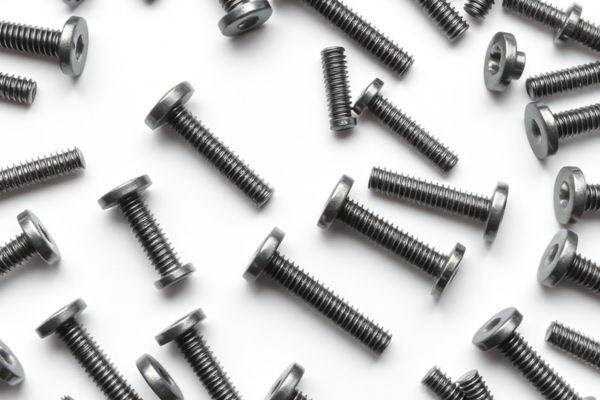
Threaded fasteners engineered for secure fastening into materials like metal, wood, or plastic without the need for a nut.
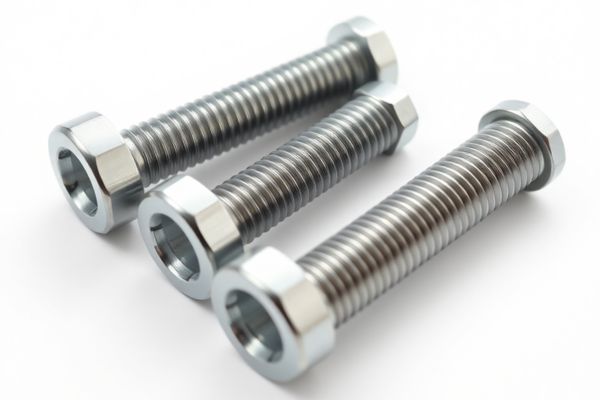
Stud Bolts

Stud Bolts

Double-ended threaded fasteners used for flange connections and high-pressure assemblies in industrial applications.
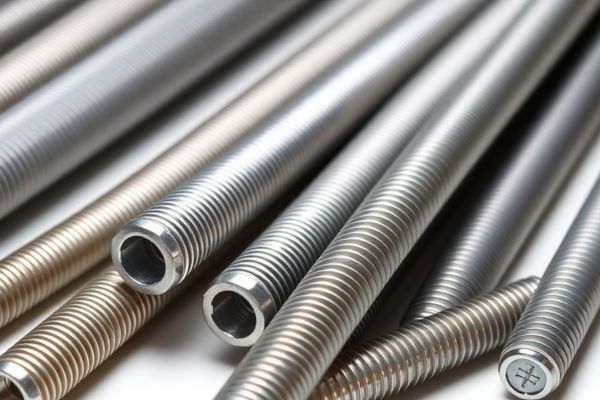
Threaded Bolts

Threaded Rods

Fully threaded bars designed for adjustable fastening, anchoring, and structural support across various installations.
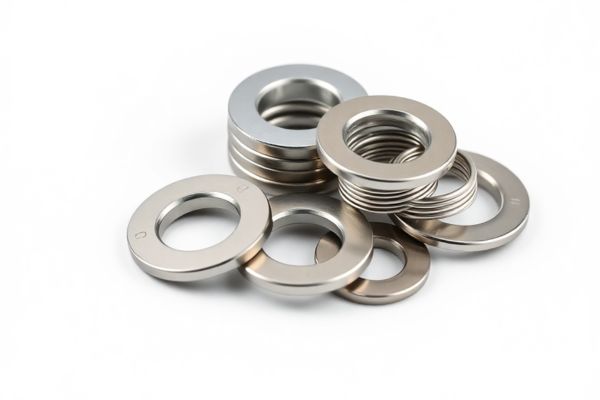
Washers

Washers

Flat or shaped spacers placed under fasteners to distribute load, reduce wear, and improve joint stability.
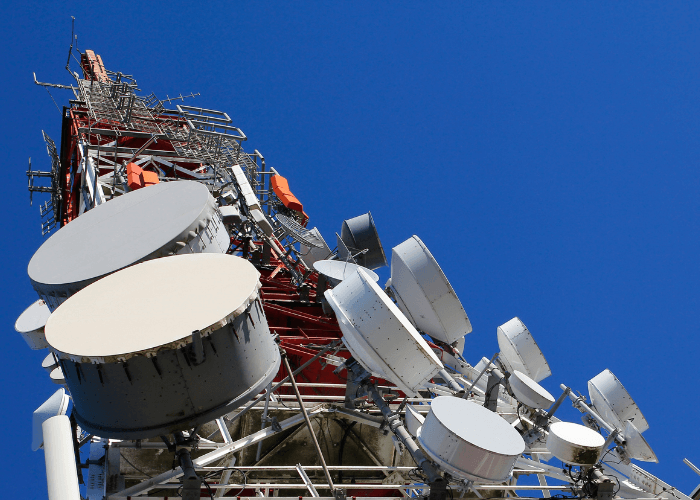
Fastener Types and Common Uses in Telecommunication Towers

Fastener Type Common Use
High-Strength Structural Bolts Connecting tower leg sections, bracing members, and main structural joints.
Hex Head Bolts General assembly of steel tower components, platforms, and support frames.
Stud Bolts Securing flange connections in antenna mounting and auxiliary equipment assemblies.
Heavy Hex Nuts Used with structural bolts in high-load tower connections for secure clamping.
Flat Washers Distributing load under bolt heads and nuts to protect galvanized steel surfaces.
Spring Lock Washers Helping resist loosening in vibration-prone connections on mounted telecom equipment.
Anchor Bolts Fixing tower base plates to concrete foundations.

Why High Strength Fasteners Matter In Telecommunication Towers

In telecommunication towers, fasteners secure lattice members, antenna mounts, platforms, and bracing under wind, vibration, and thermal cycling. High-quality, high-strength fasteners preserve structural integrity by maintaining clamp force, limiting joint slip, and resisting corrosion at exposed connections. Their dimensional accuracy and material consistency affect fatigue life, installation reliability, and compliance with design tolerances required for tower safety and stable long-term performance.

Low-quality hardware can loosen, crack, or lose preload, causing joint failure, misalignment, and unplanned outages in performance-critical assemblies. Specifying fasteners verified to ASTM requirements supports traceability, mechanical property control, and coating durability. Engineering validation through tensile, hardness, and corrosion testing confirms compliance and field reliability. For telecommunication towers, verified fastener quality is a non-negotiable engineering requirement.

Certified Material Integrity

Alloy Steel

Aluminum Alloy

Lightweight corrosion resistance suits antenna mounts and cable supports, using precision components for elevated telecom assemblies

Titanium Alloy

Exceptional fatigue resistance and marine corrosion durability fit coastal towers, delivering engineered fastening solutions for critical mounts

Silicon Bronze

Reliable atmospheric corrosion resistance benefits grounding hardware and auxiliary brackets, with validated structural fasteners for outdoor exposure

High Strength Telecommunication Towers Fasteners FAQ

Which materials are best for telecommunication tower fasteners?

High-strength bolts in hot dip galvanized steel or stainless steel provide corrosion resistance and durability for telecommunication towers exposed to wind, moisture, and industrial atmospheres.

How do structural fasteners improve tower performance?

Structural fasteners maintain joint integrity under vibration, cyclic loads, and wind stress, helping telecommunication towers achieve stable long term performance and reduced maintenance risk.

Which standards matter when selecting industrial fasteners for towers?

Select fasteners meeting ASTM, ISO, or DIN standards to ensure verified mechanical properties, coating quality, and compatibility with tower design, load requirements, and environmental exposure.

Discuss Structural Fasteners for Telecommunication Tower Reliability

Discuss tower requirements with a manufacturer, stockist, supplier, and exporter offering RealBolt structural fasteners and engineered fastening solutions in stainless steel or alloy steel, built to ISO/DIN standards for compliant, reliable tower assembly.