

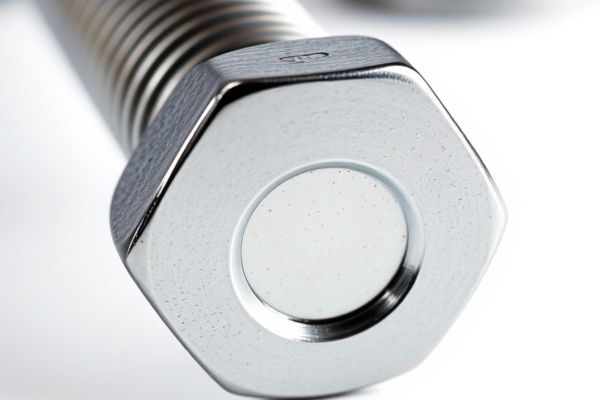
Fasteners for Aviation

Aviation demands precision-engineered fasteners that perform under extreme stress, vibration, and thermal conditions. From airframes to engine assemblies, high-strength bolts and structural fasteners in titanium and stainless steel ensure flight-critical reliability. RealBolt supplies aerospace-grade industrial fasteners meeting ASTM standards, delivering exceptional tensile strength, corrosion resistance, and long-term durability.

Aviation Precision Fasteners for Critical Airframe Assemblies

Aviation fasteners secure airframes, engines, control surfaces, avionics mounts, and interior assemblies where joint integrity directly affects flight safety. These aviation fasteners function as industrial fasteners engineered for low weight, exact fit, and repeatable clamp force, supporting structural fasteners and other precision components across riveted, bolted, and threaded connections.

In service, aircraft fasteners must withstand load distribution, cyclic vibration, pressure changes, thermal expansion, and corrosion exposure from humidity, deicing chemicals, and marine atmospheres. Materials and coatings are chosen to limit galvanic interaction, preserve preload, and provide fatigue resistance under variable stress.

Reliable aviation fastening requires conformity to ISO, ASTM, DIN, and SAE requirements, supported by dimensional inspection, material traceability, torque verification, and qualification testing under documented controls. Engineering validation confirms fit, strength, and durability in performance-critical components, ensuring industrial fastening systems satisfy stringent aerospace manufacturing and maintenance criteria.

Precision Aviation Fasteners Classifications

Bolts

Bolts

Threaded fasteners designed for strong mechanical joints across structural and industrial assemblies.
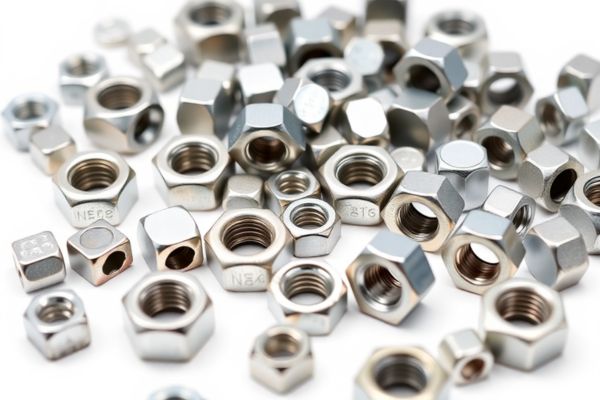
Nuts

Nuts

Internally threaded components designed to pair with bolts for secure fastening. Manufactured to provide reliable clamping force.
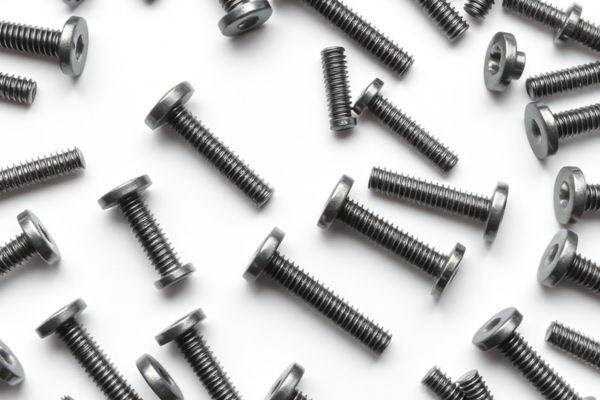
Screws

Screws

Threaded fasteners engineered for secure fastening into materials like metal, wood, or plastic without the need for a nut.
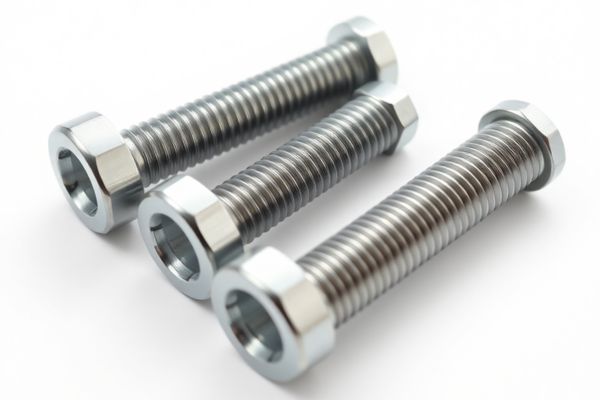
Stud Bolts

Stud Bolts

Double-ended threaded fasteners used for flange connections and high-pressure assemblies in industrial applications.
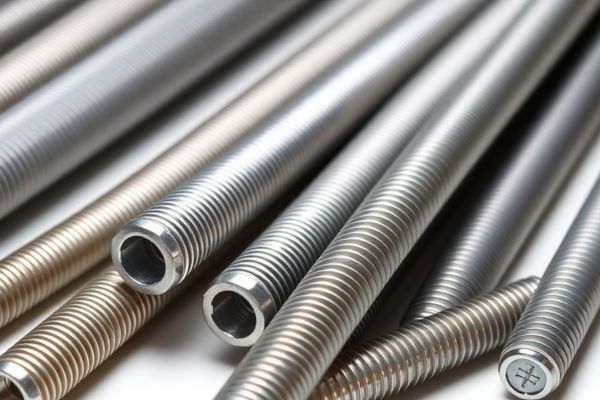
Threaded Bolts

Threaded Rods

Fully threaded bars designed for adjustable fastening, anchoring, and structural support across various installations.
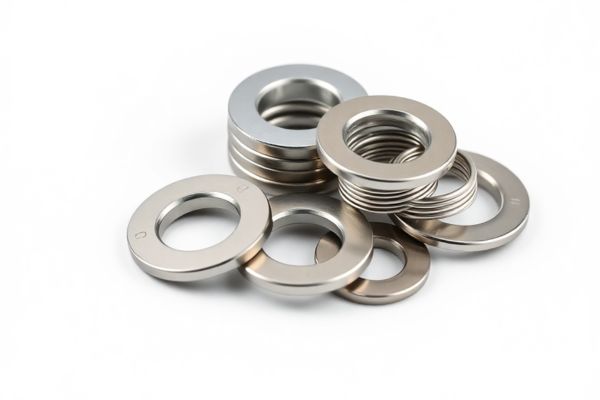
Washers

Washers

Flat or shaped spacers placed under fasteners to distribute load, reduce wear, and improve joint stability.


Aviation Fasteners for Structural and Engine Applications;
Fastener Type Common Use
Hi-Lok Pins and Collars Primary airframe joints requiring high clamp load and vibration resistance
Rivet Nuts Blind installation in thin aircraft panels for threaded access
Solid Rivets Permanent fastening of fuselage skins and wing structures
Close-Tolerance Bolts Wing-to-body fittings and other precision structural connections
Lockbolts High-strength permanent joints in heavy-duty structural assemblies
Self-Locking Nuts Retention in engine nacelles, control systems, and vibration-prone zones
Quarter-Turn Fasteners Quick-access securing of inspection panels and avionics covers

Fastener Type Common Use
Hi-Lok Pins and Collars Primary aircraft structural joints, including fuselage and wing assemblies
Aircraft Bolts Securing structural components, control systems, and engine mounts
Lockbolts Permanent fastening in airframe structures where high vibration resistance is required
Blind Rivets Joining sheet metal panels in areas with access from only one side
Self-Locking Nuts Preventing loosening in flight-critical assemblies exposed to vibration
Machine Screws Attaching avionics panels, interior fittings, and access covers
Washers Distributing load and protecting surfaces in bolted and screwed aircraft assemblies

Precision Aviation Fasteners For Performance Critical Reliability

In aviation, fasteners are primary load path elements that must maintain structural integrity under vibration, cyclic stress, pressure changes, and wide temperature ranges. High quality aviation fasteners support safety, fatigue resistance, and predictable clamp force in airframes, engines, and control systems. Precision components and high strength fasteners are essential to prevent loosening, galvanic corrosion, and joint failure while meeting strict weight, durability, and regulatory requirements across performance critical assemblies.

Low quality fasteners can introduce thread distortion, inconsistent preload, crack initiation, and rapid loss of reliability, creating unacceptable risk in flight hardware. Conformance to standards such as SAE helps verify material properties, tolerances, and traceability for aerospace service. RealBolt emphasizes compliance, documented testing, and engineering validation to confirm corrosion resistance, mechanical performance, and fit across demanding aviation applications. In aerospace fastening, verified quality is a design requirement, not an option.

Certified Material Integrity

Titanium Alloy

Exceptional fatigue resistance and low weight support airframe precision components, with flight-proven performance in critical joints

Nickel Alloy

High thermal stability and oxidation resistance secure engine structural fasteners, validated for sustained turbine heat exposure

Aluminum Alloy

Lightweight corrosion resistance benefits cabin precision components and control assemblies, supporting engineered fastening solutions under vibration

Stainless Steel

Reliable corrosion resistance and strength serve avionics structural fasteners, meeting aerospace qualification needs in fuselage assemblies

Precision Aviation Fasteners For Critical Aircraft Applications

What materials are used in aviation fasteners?

Aviation fasteners use titanium, A286 stainless steel, and alloy steel for high strength, low weight, and corrosion resistance in critical airframe and engine assemblies.

How do aviation fasteners perform under extreme conditions?

Precision fasteners withstand vibration, fatigue, temperature shifts, and cyclic loads, supporting structural integrity and reliable joint performance in demanding aerospace environments.

Which standards matter when selecting aviation fasteners?

Select fasteners meeting SAE, ASTM, or DIN requirements, based on load, corrosion exposure, material compatibility, and traceability for certified aerospace applications.

Explore Precision Aviation Fasteners for Reliable Sourcing

Discuss aviation fastening requirements and source compliant titanium or alloy steel precision components from a trusted manufacturer, stockist, supplier, and exporter, with RealBolt supporting ASTM, DIN, and custom-engineered fastening solutions for critical assemblies.