Home » Applications » Fasteners for Conveyors & Belt Systems
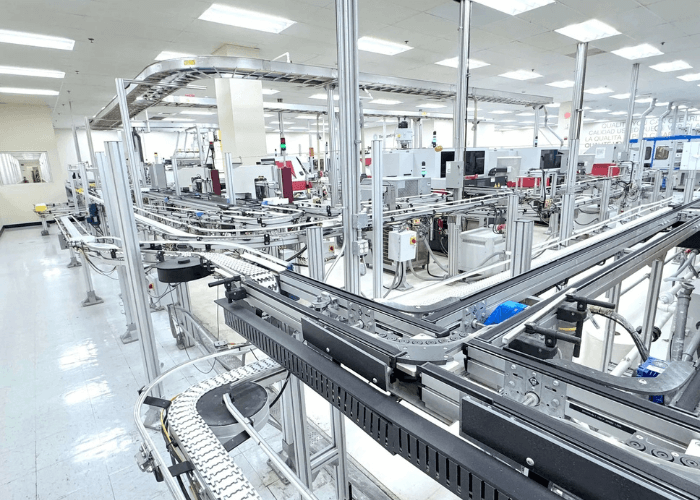
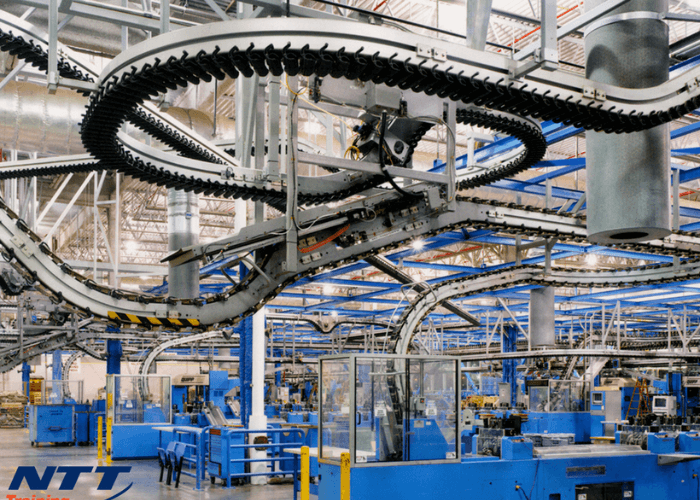
In conveyors and belt systems, application-specific fasteners secure frames, idlers, pulleys, guards, and drive assemblies while preserving alignment under continuous motion. These industrial fasteners support clamping, controlled preload, and joints across modular sections. Structural fasteners and precision components are essential for stable tracking, reduced loosening, and dependable mechanical integration.
Conveyor installations operate under fluctuating load distribution, start-stop torque, vibration, and misalignment forces that can degrade joint integrity over time. Fasteners must also accommodate thermal expansion, abrasive dust, washdown cycles, and corrosion exposure in humid areas. High-strength bolts with fatigue resistance help maintain clamp force, resist fretting, and protect rotating and structural interfaces.
For performance-critical components in conveyor assemblies, fastener selection is validated to ISO and ASTM criteria for material grade, dimensions, and proof load. Engineering review, torque testing, and inspection support compliant industrial fastening systems, enabling installation quality and reliable service life.

Threaded fasteners designed for strong mechanical joints across structural and industrial assemblies.
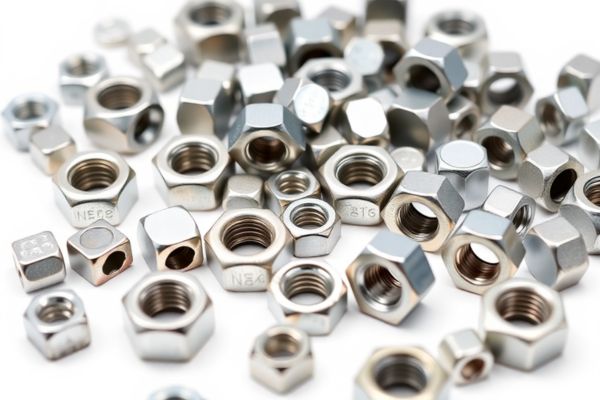
Internally threaded components designed to pair with bolts for secure fastening. Manufactured to provide reliable clamping force.
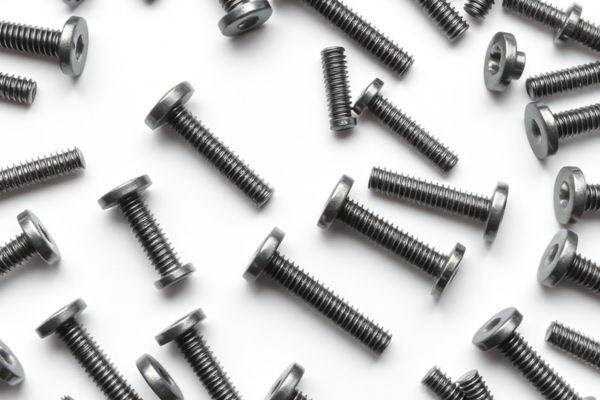
Threaded fasteners engineered for secure fastening into materials like metal, wood, or plastic without the need for a nut.
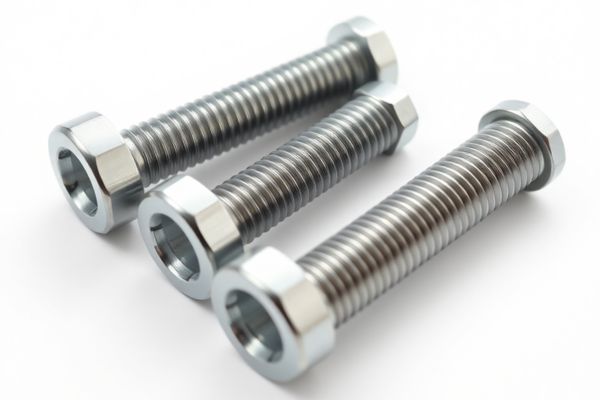
Double-ended threaded fasteners used for flange connections and high-pressure assemblies in industrial applications.
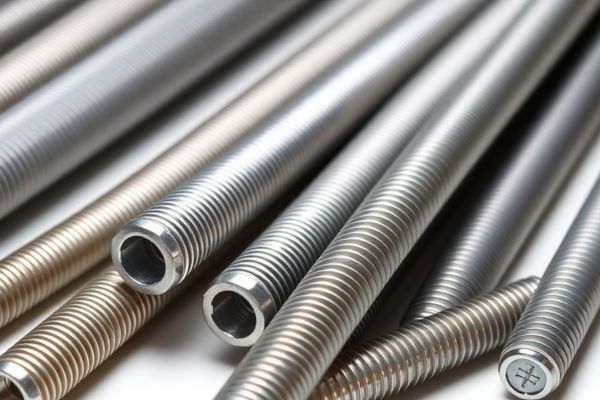
Fully threaded bars designed for adjustable fastening, anchoring, and structural support across various installations.
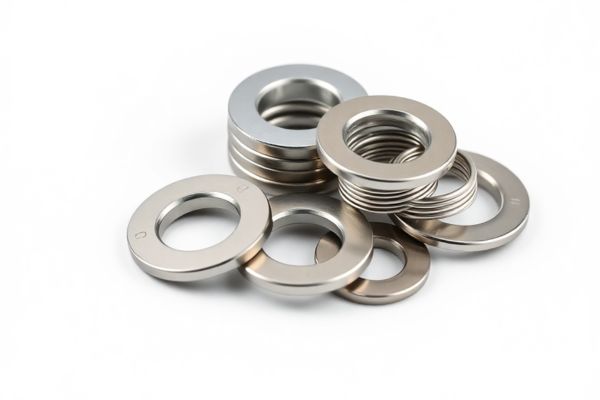
Flat or shaped spacers placed under fasteners to distribute load, reduce wear, and improve joint stability.
| Fastener Type | Common Use |
|---|---|
| Hex Head Bolts | Securing conveyor frames, supports, and structural members in assembly and installation. |
| Socket Head Cap Screws | Fastening gearboxes, motor mounts, bearing housings, and other machinery components where high strength and compact installation are required. |
| Carriage Bolts | Attaching conveyor beds, guides, guards, and belt accessories where a smooth, low-profile head is needed. |
| Stud Bolts | Used in heavy-duty conveyor drive assemblies, flanged connections, and equipment mounting points requiring secure clamping. |
| Hex Nuts | Paired with bolts and studs for general fastening of conveyor structures, rollers, and support brackets. |
| Lock Nuts | Preventing loosening in vibrating conveyor systems such as motorized belt conveyors and bulk material handling lines. |
| Flat Washers | Distributing load under bolt heads and nuts to protect conveyor frames, brackets, and sheet metal components. |
In conveyors and belt systems, fasteners carry cyclic loads, vibration, impact, and misalignment across frames, rollers, drives, and guarding. High-quality fasteners are critical to structural integrity because joint failure can disrupt tracking, damage components, and create safety hazards for operators. Correct preload, material grade, and corrosion resistance support durability in dusty, wet, or abrasive service. Using high-strength fasteners and precision components helps maintain alignment, reduce stress concentration, and sustain reliable mechanical performance under continuous duty.
Low-quality fasteners can loosen under vibration, crack from fatigue, or corrode in washdown and outdoor environments, leading to unplanned stoppages and costly maintenance. For performance-critical conveyor assemblies, compliance with ISO 898 validates mechanical properties, while torque verification, dimensional inspection, and engineering validation confirm suitability for the applied load path. Specified standards, traceable materials, and documented testing are essential to reliability in service. In critical conveying systems, fastener quality is an engineering requirement, not a purchasing variable.
Carbon Steel
High tensile strength supports frame joints and drive assemblies using validated structural fasteners in bulk conveyors.
Stainless Steel
Excellent corrosion resistance suits washdown conveyors and food-grade zones with proven precision components for reliable uptime.
Aluminum Alloy
Lightweight corrosion resistance benefits guards and sensor mounts, where qualified engineered fastening solutions reduce inertial loading.
Titanium Alloy
Outstanding fatigue resistance handles vibrating pulley assemblies and high-load systems requiring certified high-strength bolts.
Stainless steel 304 or 316 resists corrosion, while alloy steel supports heavy loads. Material choice depends on moisture, abrasion, chemical exposure, and required service life.
High-strength bolts maintain clamp load under vibration and shock. Properly specified industrial fasteners reduce loosening, fatigue, and downtime in continuous conveyor operation.
Use ISO 898-1 or DIN specifications to verify strength class, dimensions, and performance. Select precision fasteners by load, environment, maintenance access, and joint design.