Home » Applications » Fasteners for Cranes
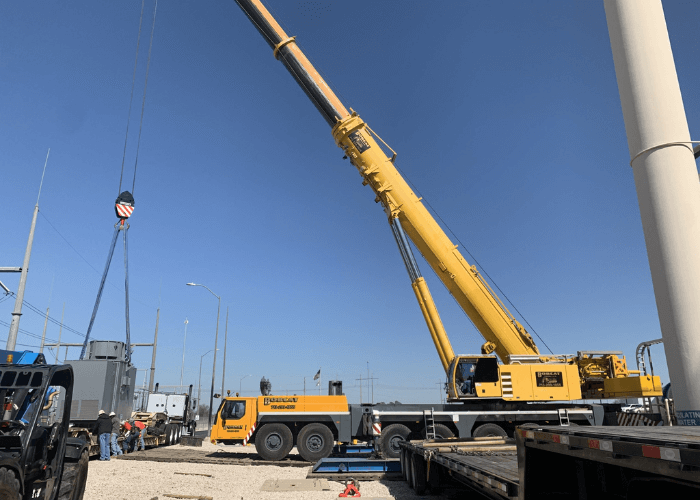
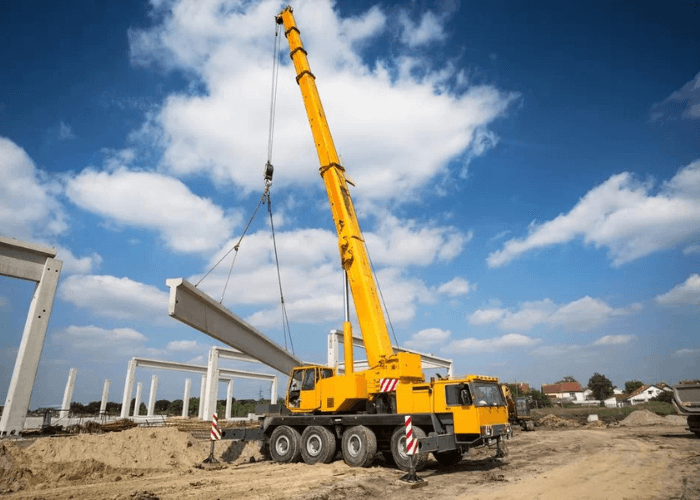
In cranes, application-specific fasteners secure booms, trolleys, hoist frames, slew rings, and base joints that transmit lifting forces. These industrial fasteners preserve clamp load, alignment, and joint integrity during duty cycles. Structural fasteners and precision components are matched to section thickness, hole tolerance, and assembly geometry for stable crane connections.
Crane joints face load distribution, vibration, shock loading, thermal expansion, and corrosion exposure from weather, dust, salt, and chemicals. Fasteners must resist tensile and shear stresses, cyclic loading, and loosening across rotating, telescopic, and rail-mounted assemblies. High-strength bolts with fatigue resistance help limit stress concentration and preload loss in service.
Reliable fastening requires traceable materials, tightening control, and engineering validation to ISO, ASTM, DIN, or SAE requirements. Performance-critical components are specified with mechanical properties and coating durability, then checked by preload verification, hardness testing, and inspection. Industrial fastening systems support maintenance and structural integrity in cranes.

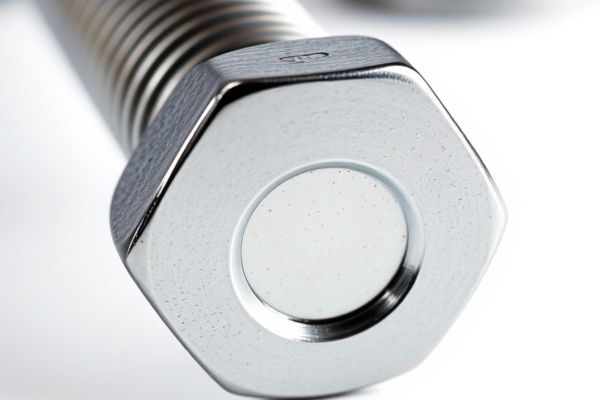
Threaded fasteners designed for strong mechanical joints across structural and industrial assemblies.
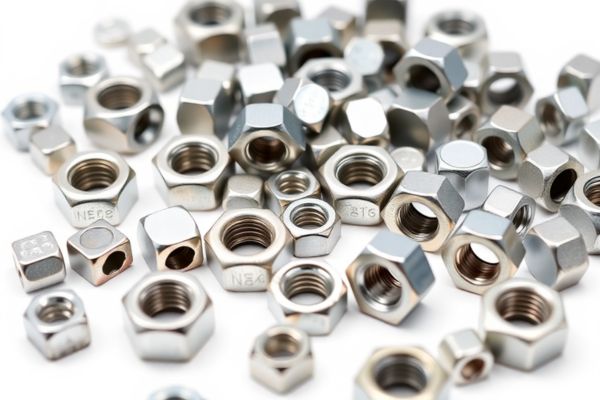
Internally threaded components designed to pair with bolts for secure fastening. Manufactured to provide reliable clamping force.
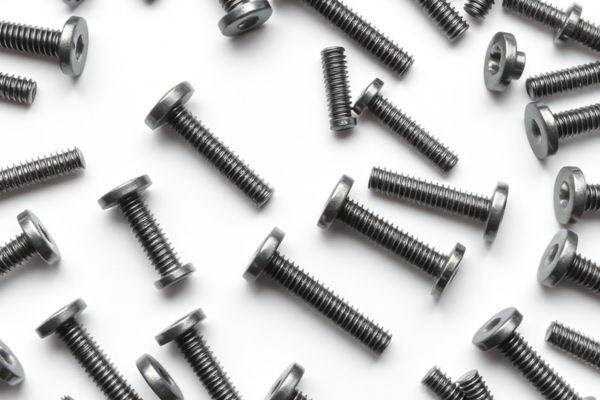
Threaded fasteners engineered for secure fastening into materials like metal, wood, or plastic without the need for a nut.
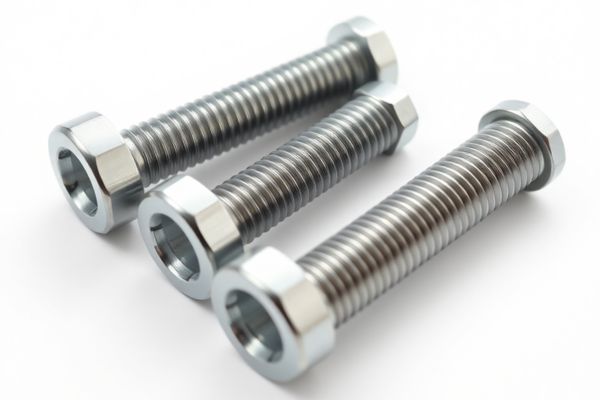
Double-ended threaded fasteners used for flange connections and high-pressure assemblies in industrial applications.
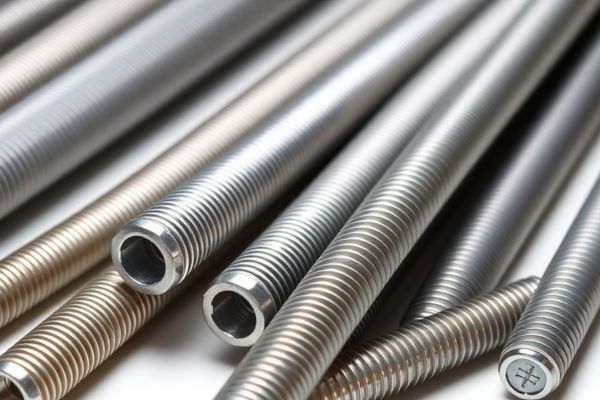
Fully threaded bars designed for adjustable fastening, anchoring, and structural support across various installations.
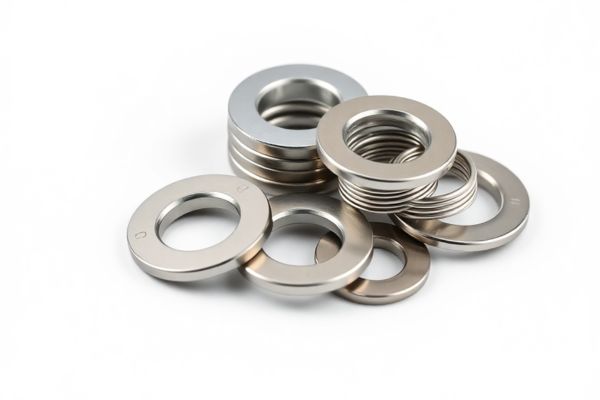
Flat or shaped spacers placed under fasteners to distribute load, reduce wear, and improve joint stability.
| Fastener Type | Common Use |
|---|---|
| High-Strength Hex Bolts | Structural connections in crane booms, girders, and main frame assemblies |
| Heavy Hex Structural Bolts | Bolted joints in crane runway beams, bridge sections, and load-bearing steel structures |
| Socket Head Cap Screws | Mounting gearbox housings, motor assemblies, and compact mechanical components |
| Stud Bolts | Securing flanged couplings and machinery connections in hoisting and drive systems |
| Lock Nuts | Preventing loosening in vibration-prone joints such as trolley, wheel, and drive assemblies |
| Plain and Hardened Washers | Distributing clamp load and protecting connected steel surfaces in structural and mechanical joints |
| U-Bolts | Clamping pipes, cable supports, and auxiliary brackets to crane structures |
In cranes, fasteners are critical load path elements that secure booms, slewing rings, masts, trolley assemblies, and support frames under variable dynamic loads. High-quality fasteners preserve structural integrity during lifting, braking, vibration, and repeated stress cycles, reducing the risk of joint loosening or fatigue failure. High-strength fasteners and precision components are essential for maintaining alignment, predictable clamp force, and long service life in exposed, corrosive, and shock-loaded operating conditions. Their performance directly affects safety, uptime, and regulatory compliance.
Low-quality fasteners can suffer from poor material consistency, thread damage, inadequate preload retention, and premature corrosion, creating serious failure risks in performance-critical crane connections. Selection should align with ASTM requirements and be supported by traceability, torque control, mechanical testing, and engineering validation to confirm capacity under real service conditions. Compliance-driven specification and inspection improve reliability across structural joints and maintenance intervals. In crane engineering, proven fastener quality is a non-negotiable control on operational risk.
Alloy Steel
High tensile strength and fatigue resistance suit boom joints, using high-strength bolts validated for cyclic loads.
Carbon Steel
Robust load capacity and cost efficiency support tower assemblies with structural fasteners specified for general crane frameworks.
Stainless Steel
Superior corrosion resistance protects outdoor and port cranes, where precision components ensure reliable performance in wet environments.
Titanium Alloy
Excellent strength-to-weight ratio and corrosion resistance benefit mobile crane assemblies, with engineered fastening solutions proven offshore.
Alloy steel high strength bolts are common for cranes. For corrosive sites, ASTM A193 B7 or stainless grades improve durability and load bearing reliability.
Structural fasteners maintain clamp load under vibration, shock, and cyclic loading. Precision threads and correct preload help cranes joints resist loosening and fatigue.
Select fasteners meeting ISO, DIN, or ASTM standards based on load class, environment, and joint design. Proper grade selection supports safety, compliance, and service life.