
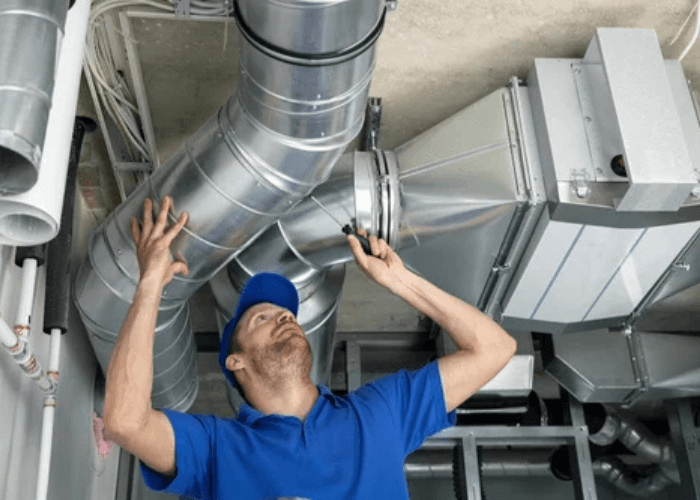
Fasteners for Ducting Systems

Ducting systems demand precision-engineered fasteners that maintain structural integrity under continuous airflow, pressure, and thermal cycling. Stainless steel and alloy steel components meeting ISO standards ensure corrosion resistance and long-term durability across HVAC and industrial ducting assemblies. RealBolt delivers application-specific fasteners engineered for reliable, compliant performance.

Engineered Ducting Systems Fasteners for Assemblies

In ducting systems, application-specific fasteners secure flanges, supports, panels, dampers, and jointed sections so air handling networks remain stable and leak resistant. These industrial fasteners must clamp thin-gauge sheet metal without distortion while maintaining alignment and sealing through structural fasteners and precision components.

Duct assemblies face airflow loading, fan-induced vibration, cyclic pressure change, and fit-up tolerances that affect load distribution at joints. Temperature shifts drive thermal expansion between dissimilar materials, while condensation, chemicals, and outdoor exposure increase corrosion exposure. High-strength bolts with fatigue resistance preserve joint integrity under combined service stresses.

For service reliability, fasteners used in ducting are specified to ISO, ASTM, or DIN requirements, with material grade, coating, and thread form verified against design intent. Engineering validation can include torque control, pull-out testing, clamp-load review, and corrosion assessment to qualify industrial fastening systems as performance-critical components for modern mechanical installations.

Critical Industrial Fastener Types for Ducting Systems

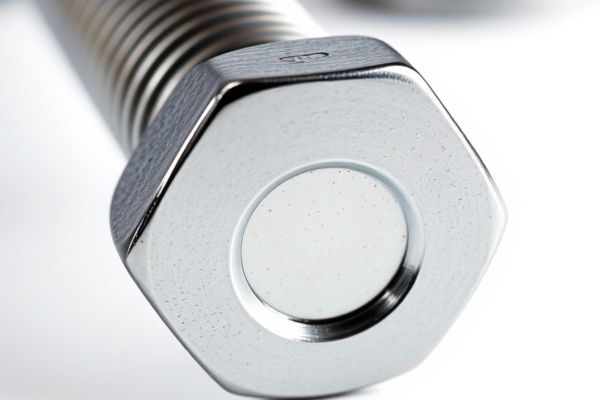
Bolts

Bolts

Threaded fasteners designed for strong mechanical joints across structural and industrial assemblies.
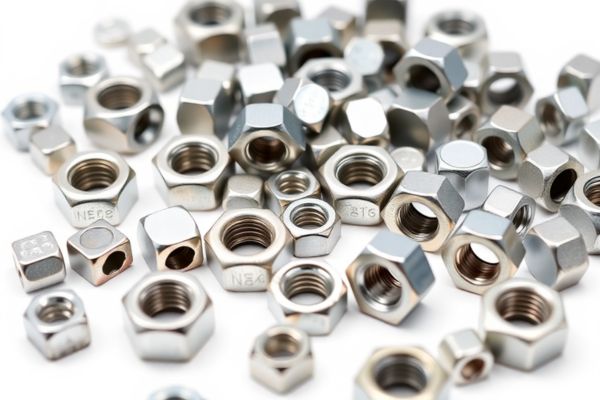
Nuts

Nuts

Internally threaded components designed to pair with bolts for secure fastening. Manufactured to provide reliable clamping force.
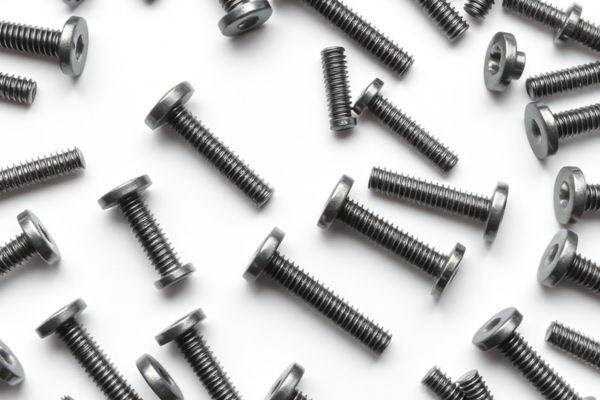
Screws

Screws

Threaded fasteners engineered for secure fastening into materials like metal, wood, or plastic without the need for a nut.
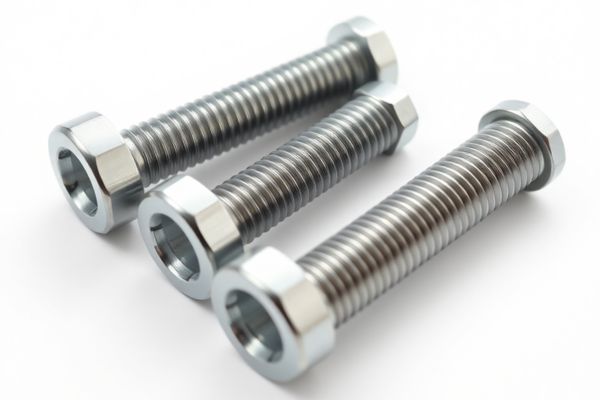
Stud Bolts

Stud Bolts

Double-ended threaded fasteners used for flange connections and high-pressure assemblies in industrial applications.
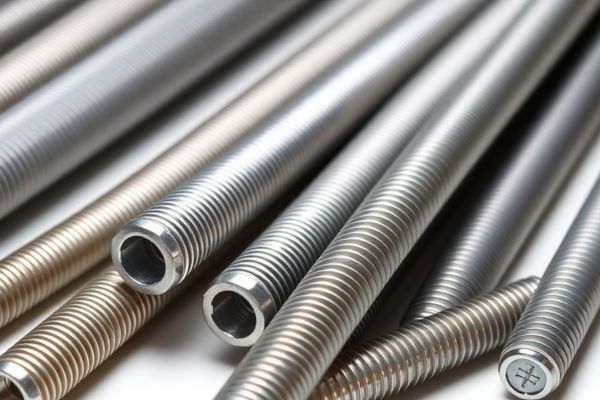
Threaded Bolts

Threaded Rods

Fully threaded bars designed for adjustable fastening, anchoring, and structural support across various installations.
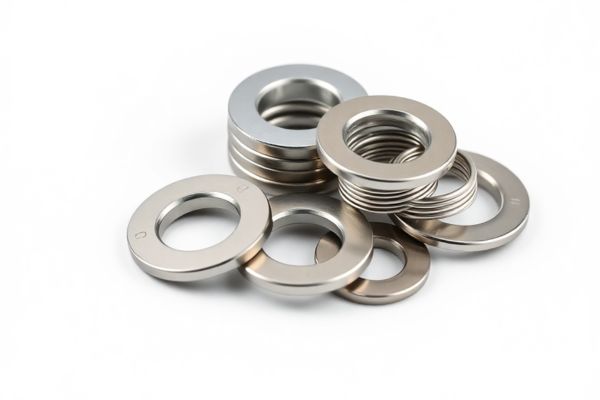
Washers

Washers

Flat or shaped spacers placed under fasteners to distribute load, reduce wear, and improve joint stability.
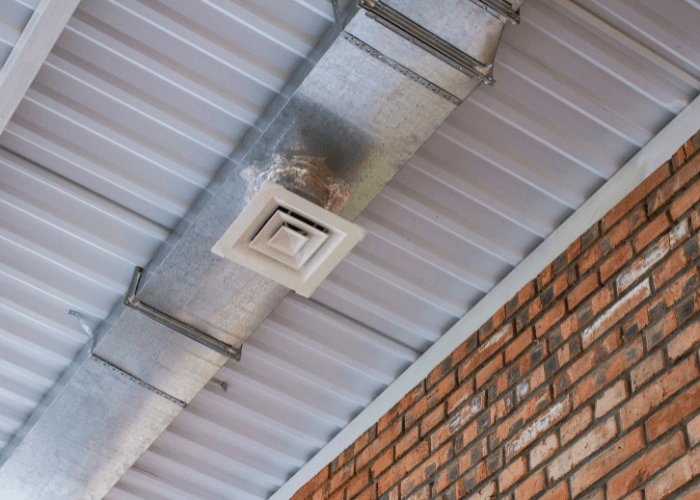
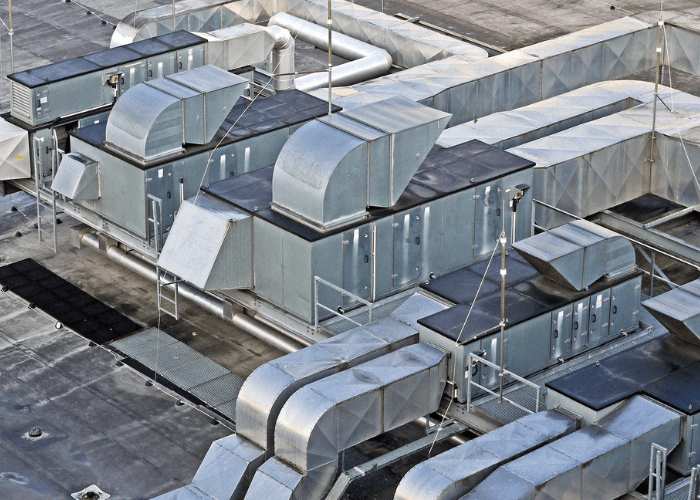
Fastener Types and Common Uses in Ducting Systems

Fastener Type Common Use
Sheet Metal Screws Joining galvanized sheet metal duct sections, fittings, and access panels.
Self-Drilling Screws Fastening duct components where drilling and fixing are done in one step, especially during HVAC duct installation.
Machine Screws Securing flanges, brackets, and duct accessories when used with pre-threaded holes or nuts.
Hex Bolts Connecting duct flanges, support frames, and structural mounting assemblies.
Threaded Studs Suspending ducting from ceilings or structural supports with channels, clamps, and brackets.
Hex Nuts Used with bolts and threaded studs to lock duct supports, hangers, and flange connections in place.
Flat Washers Distributing load under bolt and nut heads to protect duct flanges and mounting surfaces.

High Strength Fasteners For Reliable Ducting Systems Performance

In ducting systems, fasteners secure flanges, hangers, access panels, and joints that must stay leak tight under airflow, vibration, thermal cycling, and dead loads. High-strength fasteners protect structural integrity, resist loosening, and keep sections aligned across long runs. Accurate preload also supports sealing, fire safety, corrosion resistance, and specification compliance.

Low-quality fasteners may strip, lose clamp load, or corrode, leading to air leakage, noise, unplanned maintenance, and failure at suspended connections. Selection to ASTM requirements, supported by traceability, torque testing, coating checks, and engineering validation, is essential in performance-critical service. In ducting systems, standards-based fastening is a direct reliability control.

Certified Material Integrity

Stainless Steel

Excellent corrosion resistance supports HVAC duct joints and dampers, with precision components validated for long-term serviceability

Aluminum Alloy

Lightweight thermal stability suits ventilation assemblies and access panels, enabling engineered fastening solutions in weight-sensitive installations

Titanium Alloy

High strength-to-weight performance withstands vibration in specialty exhaust ducting, using high-strength bolts for proven reliability

Silicon Bronze

Superior corrosion resistance performs in coastal duct networks and louvers, supporting structural fasteners where durability matters

Industrial Fasteners For Ducting Systems Applications

Which materials are best for ducting systems fasteners?

Stainless steel grades like A2 and A4 are preferred for corrosion resistance, while zinc plated carbon steel suits dry indoor ducting with moderate structural fasteners requirements.

How do high strength bolts improve ducting system performance?

High strength bolts maintain joint integrity under vibration, airflow pressure, and thermal cycling, reducing loosening risks in industrial ducting assemblies and support connections.

What standards should guide fastener selection for ducting systems?

Select fasteners to ISO, DIN, or ASTM standards based on load, environment, and compatibility to ensure precision fit, traceability, and reliable long term ducting performance.

Explore Industrial Fasteners for Reliable Ducting Systems

Discuss ducting system fastening needs with a manufacturer, stockist, supplier, and exporter offering stainless steel and ASTM-compliant structural fasteners