
Fasteners for Escalators

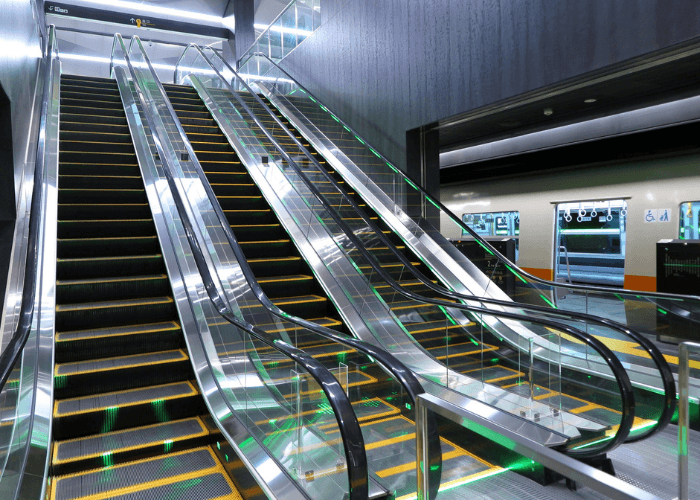
Escalators demand precision-engineered fasteners that withstand constant mechanical stress and cyclic loading. Stainless steel and alloy steel structural fasteners ensure corrosion resistance and high tensile strength across every joint and frame assembly. Compliant with ISO standards, RealBolt delivers engineered fasteners built for long-term durability in demanding escalator applications.

Engineered Escalator Fasteners for Moving Assemblies

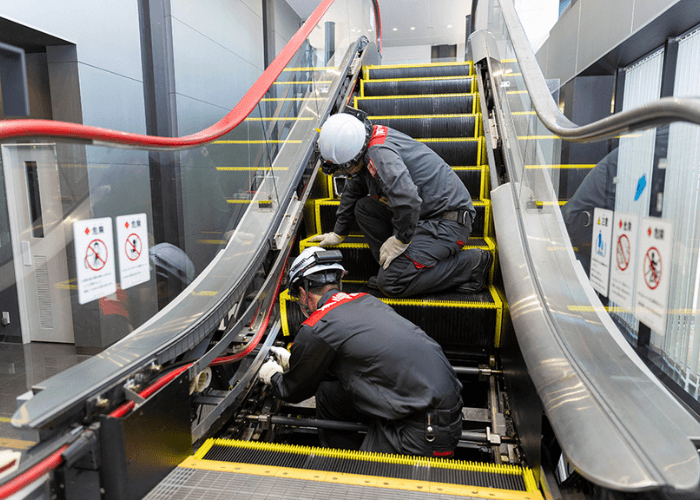
Escalator fasteners secure truss joints, step chain supports, balustrade frames, drive assemblies, and comb plate connections, preserving alignment throughout continuous operation. Application-specific fasteners must resist loosening under repeated motion while maintaining preload at critical interfaces. Structural fasteners and precision components help control joint stability, force transfer, and maintenance access.

In service, escalator joints face cyclic loading, vibration, impact, and thermal expansion near motors and brakes. Proper load distribution across rails, brackets, and landings reduces stress concentration and joint slip. Moisture, cleaning agents, and air increase corrosion exposure, requiring high-strength bolts with fatigue resistance and clamp retention.

Reliable escalator fastening design is specified to ISO, ASTM, DIN, or SAE requirements for material grade and thread form. Engineering validation includes torque checks, preload verification, coating review, and inspection criteria to confirm compliance. These controls support industrial fastening systems used as performance-critical components in code-aligned assemblies.

Precision Escalators Fasteners for Critical Components

Bolts

Bolts

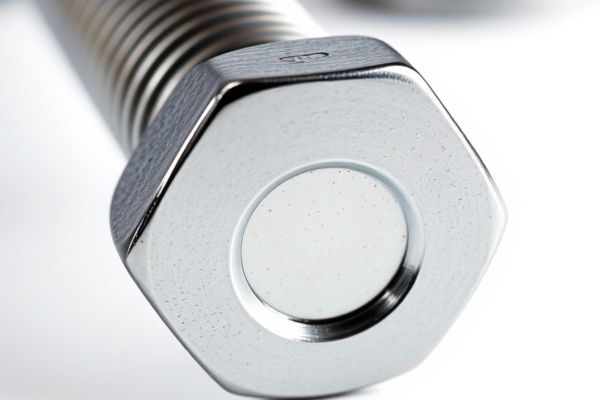
Threaded fasteners designed for strong mechanical joints across structural and industrial assemblies.
Nuts

Nuts

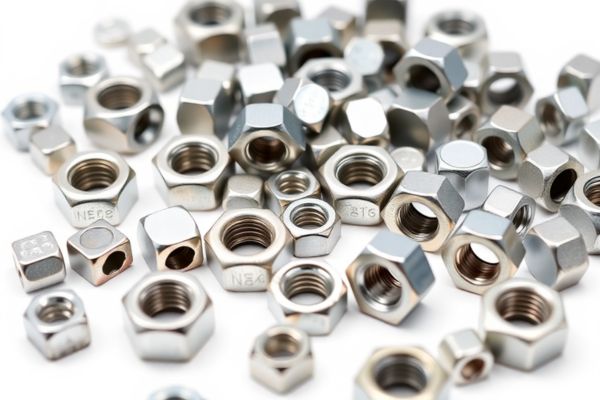
Internally threaded components designed to pair with bolts for secure fastening. Manufactured to provide reliable clamping force.
Screws

Screws

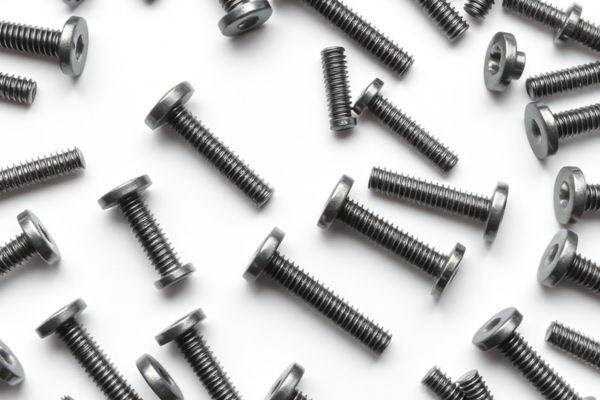
Threaded fasteners engineered for secure fastening into materials like metal, wood, or plastic without the need for a nut.
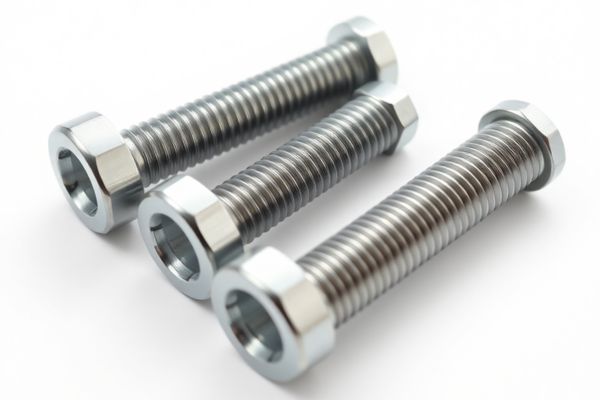
Stud Bolts

Stud Bolts

Double-ended threaded fasteners used for flange connections and high-pressure assemblies in industrial applications.
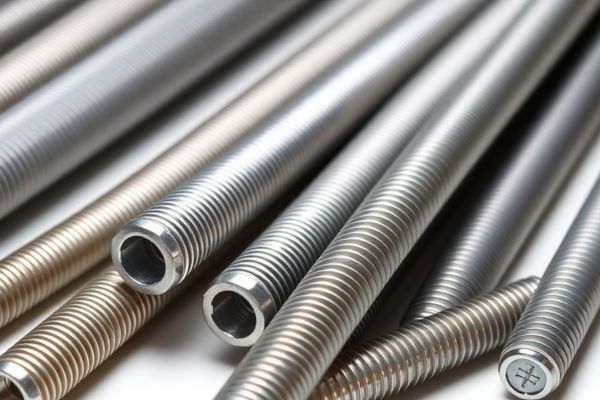
Threaded Bolts

Threaded Rods

Fully threaded bars designed for adjustable fastening, anchoring, and structural support across various installations.
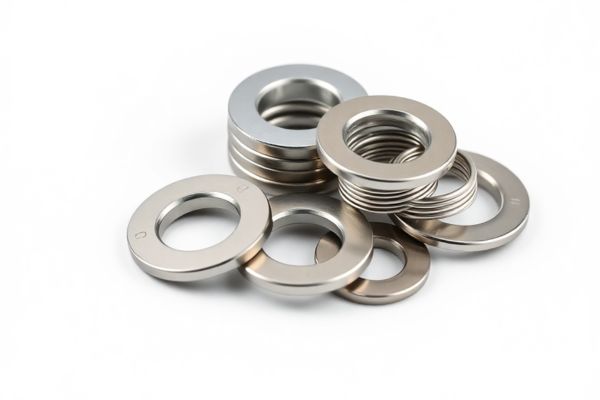
Washers

Washers

Flat or shaped spacers placed under fasteners to distribute load, reduce wear, and improve joint stability.
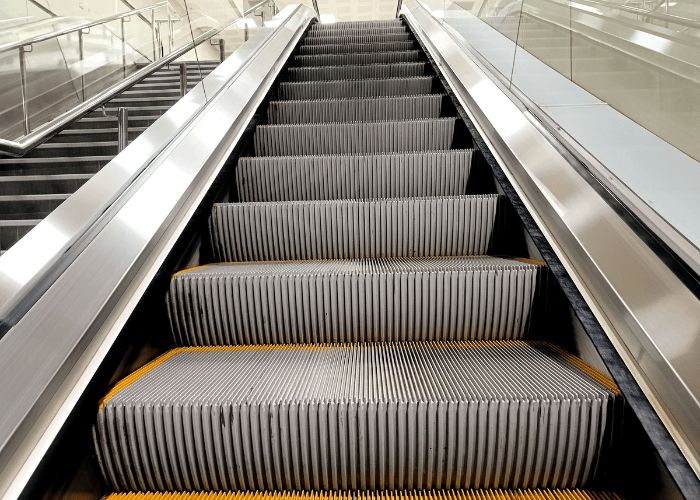
Common Fastener Types and Uses for Escalators

Fastener Type Common Use
Hex Head Bolts Securing escalator truss sections, support frames, and structural assemblies
Socket Head Cap Screws Fastening drive components, guide rail brackets, and machinery parts in confined spaces
Stud Bolts Mounting drive units, gearboxes, and heavy mechanical equipment requiring high-strength clamping
Hex Nuts Used with bolts and studs in structural joints, machinery mounting, and frame connections
Lock Nuts Preventing loosening in vibration-prone areas such as step chain systems and drive assemblies
Flat Washers Distributing load under bolt heads and nuts on steel panels, brackets, and structural members
Spring Washers Providing additional resistance against loosening in dynamic escalator components

Why High Strength Fasteners Matter In Escalators

In escalators, fasteners secure truss joints, step chain assemblies, balustrades, drive units, and comb plate interfaces under constant vibration, cyclic loading, and passenger impact. High-quality fasteners are vital for structural integrity, alignment control, and safe load transfer across precision components. Proper material grade, preload, and corrosion resistance limit loosening, fatigue, and wear, supporting reliable service and code compliance.

Low-quality fasteners can lose clamp force, deform in shear, or fracture early, causing misalignment, unsafe step motion, noise, and shutdowns. Conformity with ISO 898, backed by traceability, torque verification, testing, and engineering validation, is essential. A performance-critical escalator demands fastening systems proven for durability and reliability.

Certified Material Integrity

Carbon Steel

High fatigue strength supports step-chain brackets and truss joints using validated high-strength bolts

Stainless Steel

Superior corrosion resistance suits balustrade fixings and outdoor escalator panels with proven structural fasteners

Aluminum Alloy

Lightweight corrosion resistance benefits access covers and control enclosures requiring precision components and reliable service

Titanium Alloy

Exceptional strength-to-weight and thermal stability fit drive assemblies needing engineered fastening solutions under cyclic loads

Industrial Escalators Fasteners For High Strength Reliability

What materials are best for escalator fasteners?

Stainless steel and alloy steel are preferred for corrosion resistance and load capacity. ASTM and DIN grades support demanding escalator environments and long service life.

How do high strength bolts improve escalator performance?

High strength bolts maintain clamp load under vibration, reducing loosening and wear. Precision fastening improves safety, alignment, and reliability in continuous duty escalator systems.

Which standards matter when selecting escalator fasteners?

ISO, ASTM, and SAE standards verify dimensions, strength, and material quality. Select structural fasteners matched to load, vibration, corrosion exposure, and maintenance requirements.

Discuss Industrial Escalator Fasteners for Reliable Sourcing

Discuss load, vibration, and corrosion requirements with the manufacturer, stockist, supplier, and exporter RealBolt for ISO and DIN compliant stainless steel or alloy steel structural fasteners and precision components tailored to escalator assemblies.