Home » Applications » Fasteners for HVAC
In HVAC systems, application-specific fasteners secure duct sections, air handlers, dampers, brackets, and panels while maintaining alignment and sealing. These industrial fasteners clamp thin-gauge metals and mixed materials without distortion, support service access, and stabilize joints. Structural fasteners and precision components are selected for geometry, torque retention, and support loads.
HVAC joints face fan vibration, compressor cycling, temperature swings, moisture, and cleaning chemicals that reduce clamp force. Fastener selection must manage load distribution in sheet metal and members, accommodate thermal expansion, resist loosening, and limit corrosion exposure near condensate. High-strength bolts with suitable coatings improve fatigue resistance in active assemblies.
Reliable HVAC joints are specified to ISO, ASTM, DIN, or SAE standards for dimensions, grades, finishes, and mechanical properties. Engineering review, torque checks, and corrosion testing verify that industrial fastening systems meet design intent in rooftop units and ventilation modules. This compliance-based process supports traceability and service in performance-critical components.

Threaded fasteners designed for strong mechanical joints across structural and industrial assemblies.
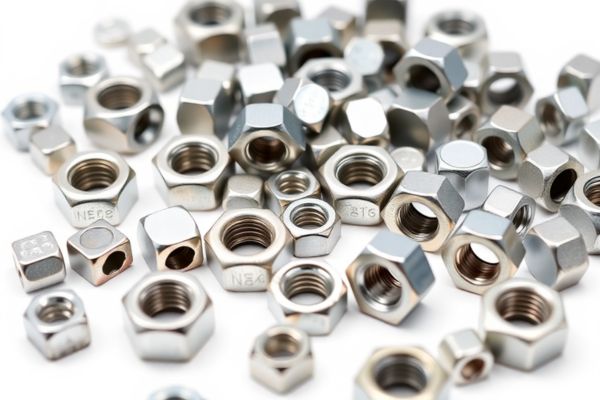
Internally threaded components designed to pair with bolts for secure fastening. Manufactured to provide reliable clamping force.
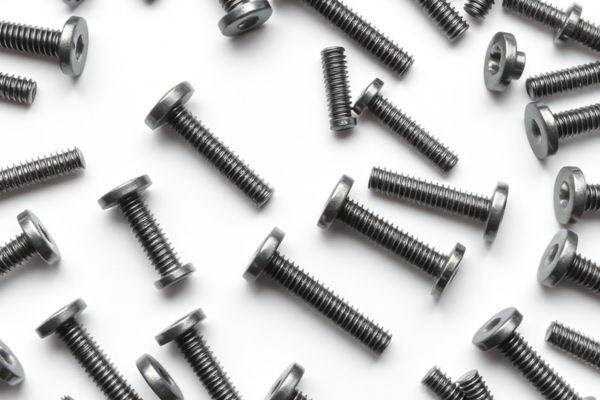
Threaded fasteners engineered for secure fastening into materials like metal, wood, or plastic without the need for a nut.
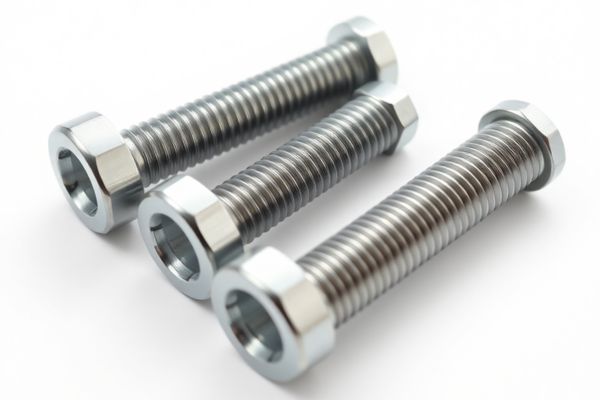
Double-ended threaded fasteners used for flange connections and high-pressure assemblies in industrial applications.
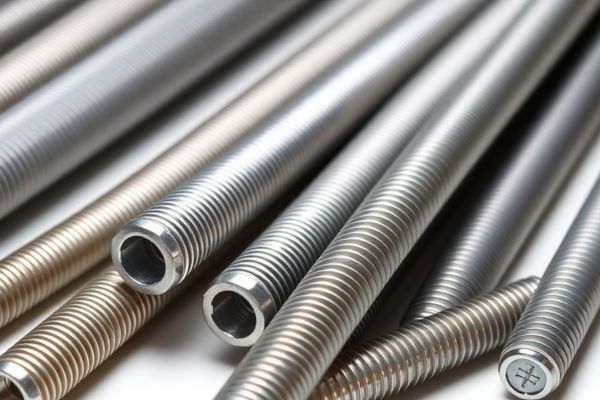
Fully threaded bars designed for adjustable fastening, anchoring, and structural support across various installations.
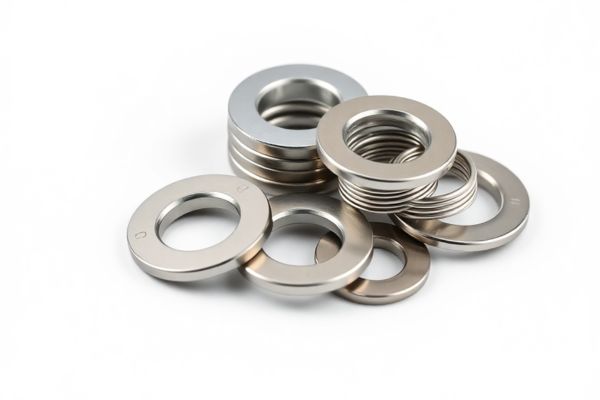
Flat or shaped spacers placed under fasteners to distribute load, reduce wear, and improve joint stability.
| Fastener Type | Common Use |
|---|---|
| Hex Head Bolts | Securing HVAC equipment frames, mounting brackets, and structural supports |
| Sheet Metal Screws | Fastening ductwork sections, sheet metal panels, and equipment housings |
| Self-Drilling Screws | Joining metal duct components and installing HVAC panels without pre-drilling |
| Threaded Rods / Studs | Suspending ducts, pipe supports, and HVAC units from ceilings or structural members |
| Hex Nuts | Used with bolts and threaded rods for securing hangers, brackets, and assemblies |
| Flat Washers | Distributing load under bolt and screw heads in HVAC mounting and support applications |
| Lock Washers | Helping resist loosening from vibration in fans, compressors, and mounted HVAC equipment |
In HVAC systems, fasteners secure duct supports, access panels, vibration isolators, and rooftop units exposed to cyclic loads, thermal movement, and constant vibration. High-quality fasteners are critical to structural integrity, leak control, and safe equipment retention under service stress. High-strength fasteners and precision components help maintain alignment, resist loosening, and support code-compliant operation.
Low-grade fasteners can strip, corrode, or lose preload, leading to air leakage, detached assemblies, noise, and costly shutdowns. HVAC assemblies should be specified to ASTM requirements and backed by torque checks, corrosion testing, and engineering validation to confirm performance-critical reliability. Standards-based fastening reduces failure risk across commercial and industrial installations and is the correct engineering choice.
Stainless Steel
Excellent corrosion resistance supports ducting and rooftop units, where structural fasteners ensure validated service life.
Carbon Steel
High strength suits equipment supports and hanger assemblies, with high-strength bolts proven for indoor mechanical loads.
Brass Alloy
Good thermal stability and conductivity fit control panels and terminals, using precision components for dependable fastening.
Aluminum Alloy
Lightweight corrosion resistance benefits louvers and access panels, with engineered fastening solutions supporting vibration-sensitive assemblies.
Stainless steel 304 and 316 are preferred for HVAC fasteners due to corrosion resistance, while zinc plated carbon steel suits indoor industrial systems with lower moisture exposure.
High strength bolts maintain joint integrity under vibration, thermal cycling, and equipment loads, helping HVAC assemblies meet long term performance demands in industrial environments.
Select fasteners by load, environment, and compatibility, then verify ISO, ASTM, or DIN requirements to ensure structural fasteners meet engineering and installation specifications.