
Fasteners for Machinery

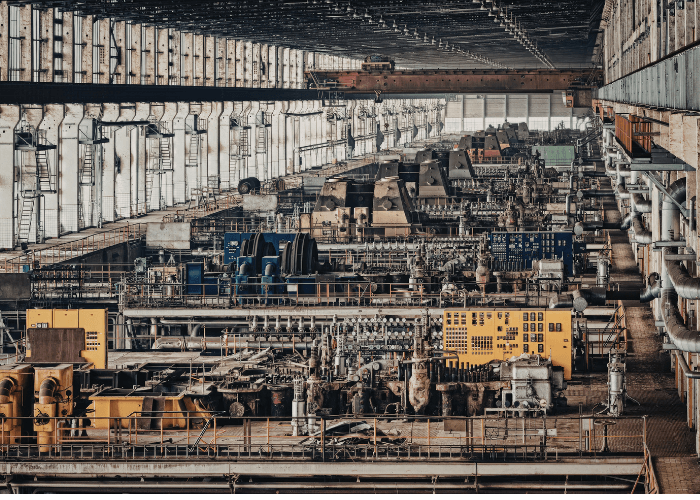
Machinery performance depends on precision components that withstand extreme loads and operational stress. Industrial fasteners in alloy steel and stainless steel ensure structural integrity across critical assemblies. Engineered to ISO and ASTM standards, RealBolt delivers high-strength bolts with proven tensile strength, durability, and engineering reliability for demanding machinery applications.

Precision Machinery Fasteners for Mechanical Assemblies

Machinery fasteners provide the clamping force needed to secure frames, housings, shafts, guards, and drive assemblies in continuous service. In rotating equipment, machinery-specific fasteners preserve alignment and tolerances between connected parts. These industrial fasteners serve as structural fasteners and precision components, maintaining geometry and transferring loads through machine interfaces.

Machinery joints face dynamic loading, shock, vibration, thermal expansion, and corrosion exposure from lubricants, coolants, washdowns, or humid air. Selection depends on load distribution, preload retention, and material compatibility to control loosening and stress concentration. High-strength bolts with fatigue resistance are specified for cyclic duty and heat.

Reliable machinery assemblies require torque-tension analysis, proof-load testing, and dimensional inspection to meet ISO, ASTM, DIN, or SAE requirements. Material grade, thread form, and coating performance must match duty cycles. For performance-critical components, compliant industrial fastening systems support traceability, repeatable assembly quality, and inspection readiness.

Precision Machinery Fasteners Classifications

Bolts

Bolts

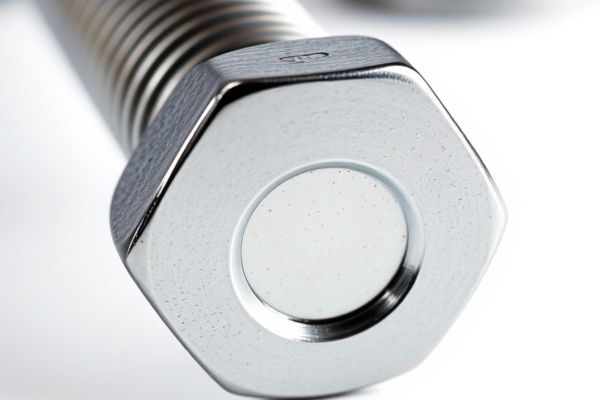
Threaded fasteners designed for strong mechanical joints across structural and industrial assemblies.
Nuts

Nuts

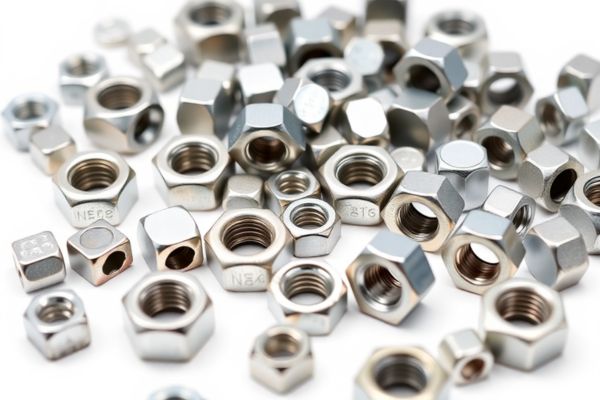
Internally threaded components designed to pair with bolts for secure fastening. Manufactured to provide reliable clamping force.
Screws

Screws

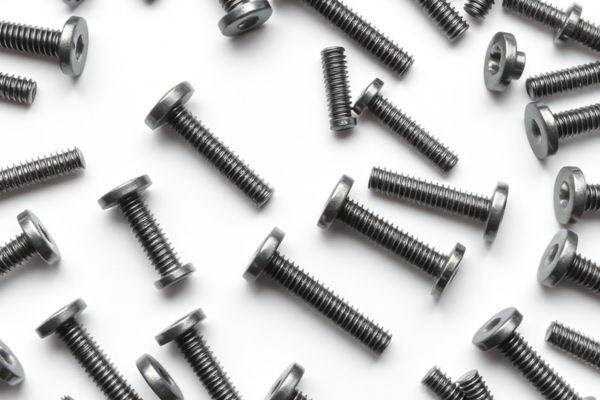
Threaded fasteners engineered for secure fastening into materials like metal, wood, or plastic without the need for a nut.
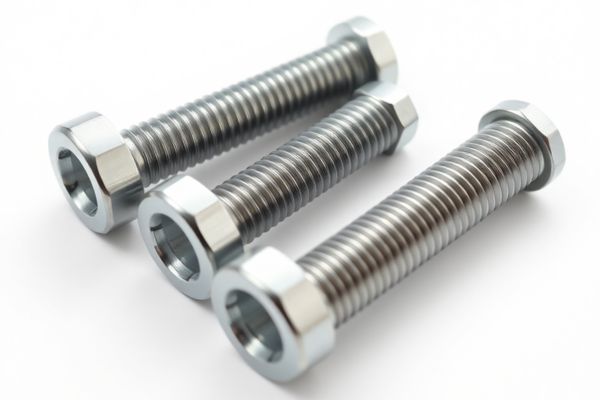
Stud Bolts

Stud Bolts

Double-ended threaded fasteners used for flange connections and high-pressure assemblies in industrial applications.
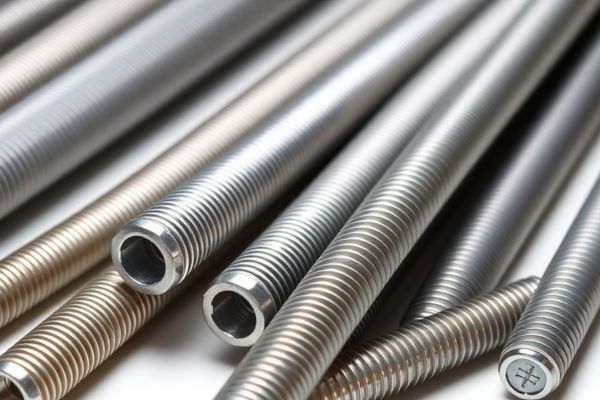
Threaded Bolts

Threaded Rods

Fully threaded bars designed for adjustable fastening, anchoring, and structural support across various installations.
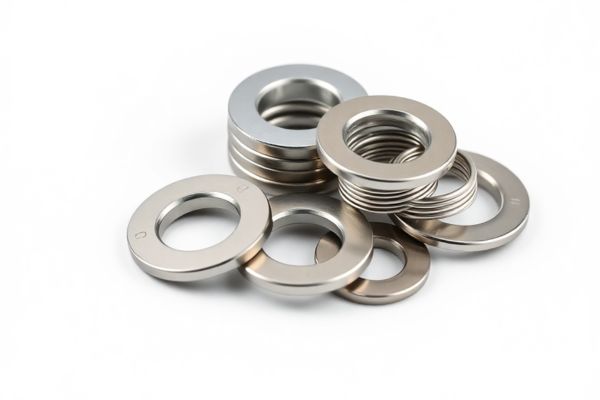
Washers

Washers

Flat or shaped spacers placed under fasteners to distribute load, reduce wear, and improve joint stability.
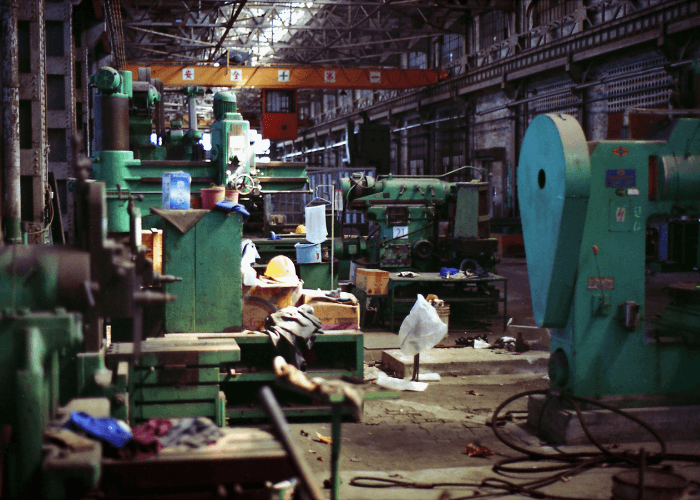
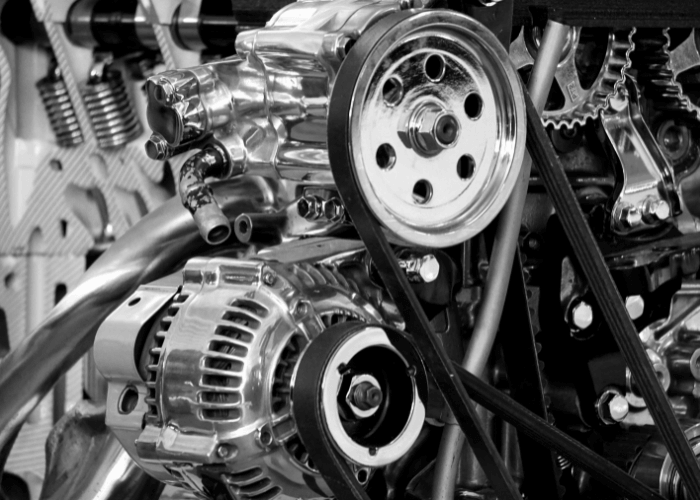
Fastener Types and Common Uses in Machinery

Fastener Type Common Use
Hex Bolts Securing machine frames, base plates, and structural assemblies
Socket Head Cap Screws Fastening precision machine components where high strength and compact head clearance are required
Stud Bolts Mounting heavy machinery parts, housings, and flanged components requiring frequent disassembly
Hex Nuts Used with bolts and studs to clamp machinery components securely
Lock Washers Helping resist loosening in machinery exposed to vibration and dynamic loads
Flat Washers Distributing load under bolt heads and nuts to protect machine surfaces
Set Screws Securing gears, pulleys, and collars onto shafts in rotating equipment

Precision Machinery Fasteners For Reliable High Performance Operation

In machinery assemblies, fasteners are critical load-bearing elements that maintain alignment, clamp force, and structural integrity under vibration, cyclic stress, thermal variation, and shock loading. High-strength fasteners help prevent joint loosening, fatigue failure, and dimensional drift in precision components such as gear housings, shafts, guards, and drive systems. Correct material grade, thread accuracy, and corrosion resistance directly influence service life, operator safety, equipment uptime, and compliance with design requirements in performance-critical machinery.

Low-quality fasteners can introduce inconsistent preload, thread galling, embrittlement, and premature fracture, leading to misalignment, bearing damage, leakage, or catastrophic stoppage. For machinery used in continuous-duty environments, conformance to ISO standards and verified mechanical properties are essential. Engineering validation through torque testing, material traceability, and inspection supports long-term reliability and predictable maintenance intervals. In critical machinery, fastener quality is an engineering control, not a purchasing variable.

Certified Material Integrity

Alloy Steel

High tensile strength supports gear housings and high-load assemblies using validated high-strength bolts

Stainless Steel

Corrosion resistance suits washdown machinery frames and precision components requiring proven long-service reliability

Titanium Metal

Excellent fatigue resistance benefits rotating machinery and precision components where engineering validation favors weight reduction

Nickel Alloys

Thermal stability performs in turbine-driven machinery and engineered fastening solutions for sustained elevated-temperature service

Industrial Machinery Fasteners For Critical Engineering Applications

What materials are best for machinery fasteners?

Alloy steel, stainless steel, and ASTM A193 grades are common for machinery. Material choice depends on load, corrosion exposure, temperature, and service life requirements.

Why are high strength bolts important in machinery?

High strength bolts maintain clamp load under vibration, shock, and cyclic stress. They improve joint integrity, reduce loosening risk, and support precision industrial machinery performance.

How do engineers select machinery fasteners to standards?

Engineers match size, thread, grade, and coating to load conditions using ISO, DIN, or SAE standards. Proper selection ensures fit, structural fasteners reliability, and maintenance safety.

Explore Industrial Machinery Fasteners for Reliable Performance

Discuss machinery fastening requirements and source compliant structural fasteners from a trusted manufacturer, stockist, supplier, and exporter, with RealBolt offering stainless steel and alloy steel precision components built to ISO and ASTM standards.