Home » Applications » Fasteners for Manufacturing
In manufacturing environments, application-specific fasteners secure machines, tooling, panels, and process equipment while maintaining alignment, clamp load, and service access through repeated assembly cycles. These industrial fasteners act as precision components within engineered fastening solutions, supporting dimensional control and dependable joint integrity in automated production systems.
Manufacturing lines subject joints to load distribution, vibration, thermal expansion, torque variation, and corrosion exposure. Fastener selection must control thread engagement, preload retention, bearing stress, and material compatibility so assemblies withstand cyclic duty without loosening. High-strength bolts are specified where fatigue resistance and stable performance are required in continuous operation.
Reliable manufacturing fasteners are validated to ISO 898, ASTM A193, and DIN 931, with selection matched to assembly loads and joint geometry. Engineering review, material traceability, inspection, and torque testing verify performance-critical components within industrial fastening systems, supporting production quality and auditable compliance.

Threaded fasteners designed for strong mechanical joints across structural and industrial assemblies.
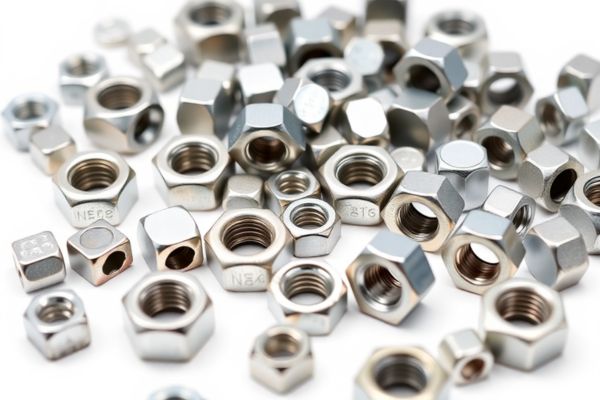
Internally threaded components designed to pair with bolts for secure fastening. Manufactured to provide reliable clamping force.
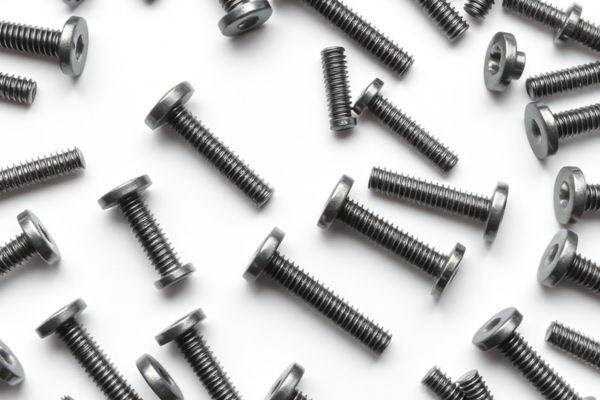
Threaded fasteners engineered for secure fastening into materials like metal, wood, or plastic without the need for a nut.
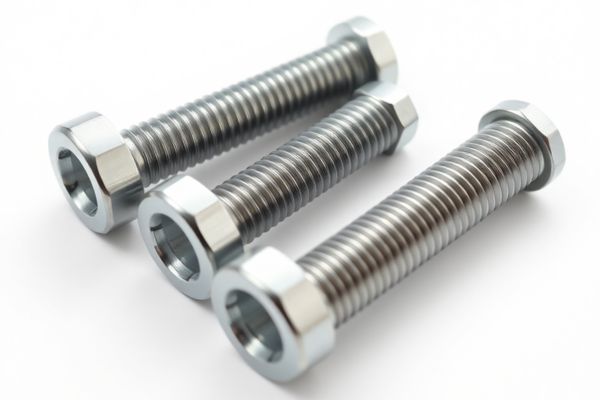
Double-ended threaded fasteners used for flange connections and high-pressure assemblies in industrial applications.
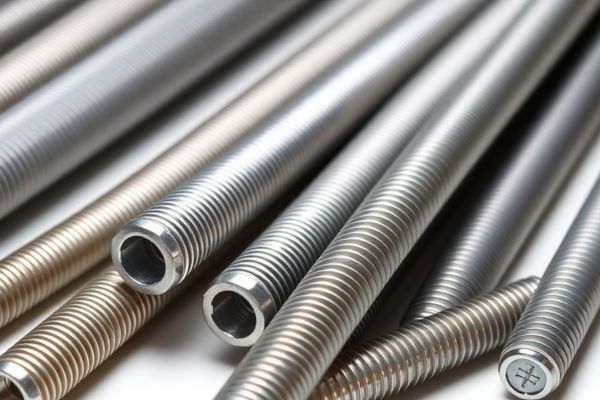
Fully threaded bars designed for adjustable fastening, anchoring, and structural support across various installations.
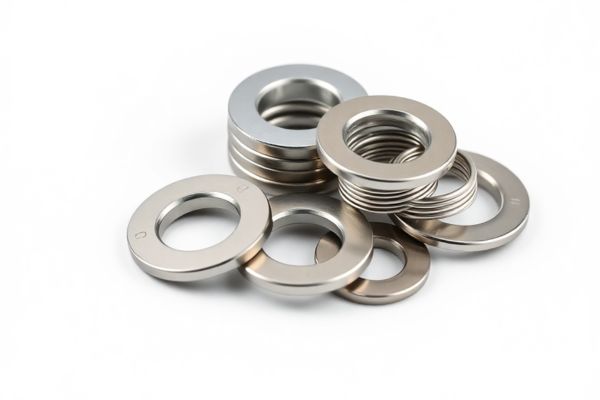
Flat or shaped spacers placed under fasteners to distribute load, reduce wear, and improve joint stability.
| Fastener Type | Common Use |
|---|---|
| Hex Bolts | Securing machine frames, structural assemblies, and heavy equipment components in manufacturing facilities |
| Socket Head Cap Screws | Fastening precision machine parts, tooling, and automation equipment where high clamping force is required |
| Stud Bolts | Connecting flanged joints on process piping, pumps, and pressure equipment used in manufacturing plants |
| Hex Nuts | Used with bolts and studs to secure machinery, support structures, and production equipment assemblies |
| Spring Washers | Helping resist loosening in vibrating machinery, motors, and mechanical assemblies |
| Flat Washers | Distributing load and protecting mating surfaces in equipment panels, machines, and fabricated assemblies |
| Set Screws | Locking gears, pulleys, and collars onto shafts in manufacturing machinery and conveyor systems |
In manufacturing, fasteners secure machines, tooling, guards, frames, and process equipment under repeated loads, vibration, heat, and cyclic stress. High-quality fasteners are critical to safety, uptime, and product consistency because joint failure can damage assets and interrupt controlled operations. Proper material selection, preload control, and dimensional accuracy support structural integrity, fatigue resistance, and long service life in precision components.
Low-quality fasteners increase the risk of loosening, thread stripping, corrosion, and sudden fracture, especially in performance-critical assemblies. To reduce these failure modes, manufacturers rely on parts produced to ASTM requirements and verified through material certification, torque testing, and engineering validation. Consistent compliance with recognized standards improves traceability, reliability, and maintenance planning. In manufacturing, proven fastener quality is an engineering requirement, not a purchasing variable.
Alloy Steel
Delivers high tensile strength for machine frames and tooling, supporting validated high-strength bolts in production lines.
Aluminum Alloy
Provides corrosion resistance and low weight for automated assemblies, ideal for precision components in manufacturing cells.
Titanium Alloy
Offers exceptional fatigue resistance in robotic joints and thermal equipment, proven for engineered fastening solutions.
Brass Alloy
Maintains conductivity and moderate strength in electrical housings, trusted for structural fasteners across assembly stations.
For manufacturing, alloy steel and stainless steel are common. ASTM A193 and ISO 3506 grades support high-strength bolts where corrosion resistance and load capacity are critical.
High-strength bolts and structural fasteners maintain clamp load, resist vibration, and reduce joint failure in machinery, tooling, and production equipment under repeated stress.
Use ISO, DIN, ASTM, or SAE specifications to verify dimensions, strength, and coating. Proper standard selection ensures precision fit, traceability, and reliable industrial performance.