
Fasteners for Petrochemical & Chemical Plants

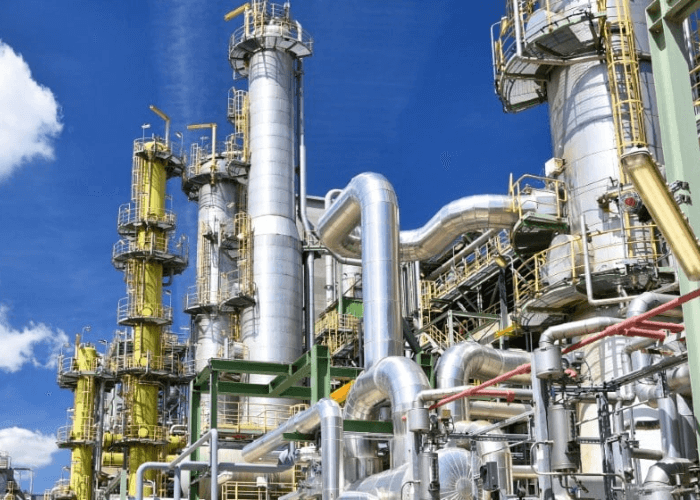
In petrochemical and chemical plants, fasteners endure extreme heat, pressure, and corrosive media. Engineered fasteners in stainless steel and alloy steel, compliant with ASTM standards, deliver corrosion resistance and thermal stability across critical joints. RealBolt supplies precision-engineered industrial fasteners built for reliable, long-term performance in demanding process environments.

Petrochemical & Chemical Plants Industrial Fasteners

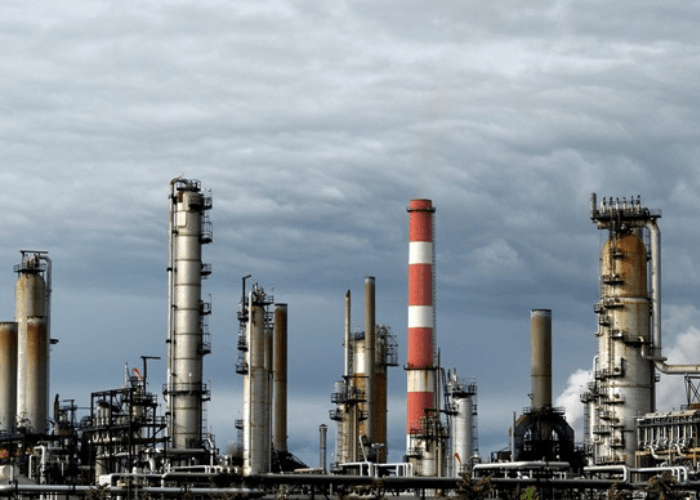
In petrochemical and chemical plants, fasteners secure piping, pressure vessels, exchangers, pumps, flanges, and supports where joint integrity governs safety. Application-specific fasteners and industrial fasteners maintain clamp load in gasketed joints and equipment mounts, while structural fasteners and precision components preserve alignment and sealing stability in continuous service.

Service conditions include cyclic pressure, vibration, thermal expansion, and corrosion exposure from hydrocarbons, acids, steam, solvents, and chlorides. Material grade, thread fit, and coating choice influence load distribution, gasket retention, and resistance to galling and stress relaxation. High-strength bolts with fatigue resistance are essential in hot, dynamically loaded assemblies.

Reliability requires fasteners validated to ISO, ASTM, and DIN requirements through traceable chemistry, mechanical testing, and dimensional inspection. Engineering review of preload and media compatibility confirms suitability for performance-critical components within industrial fastening systems. Quality control supports maintenance intervals, audit readiness, and dependable plant operation.

Critical Industrial Fastener Types for Petrochemical & Chemical Plants

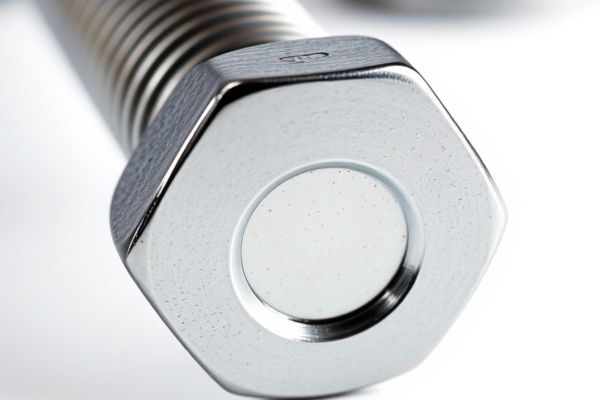
Bolts

Bolts

Threaded fasteners designed for strong mechanical joints across structural and industrial assemblies.
Nuts

Nuts

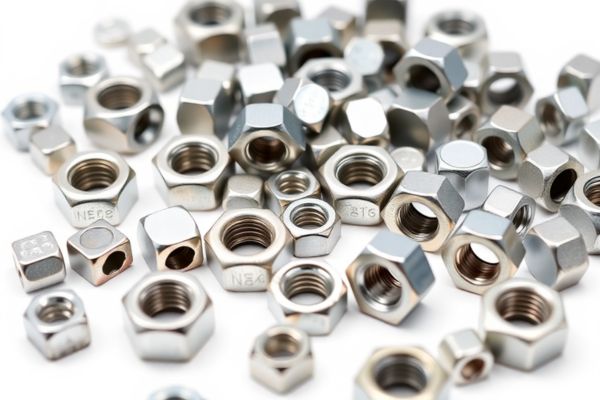
Internally threaded components designed to pair with bolts for secure fastening. Manufactured to provide reliable clamping force.
Screws

Screws

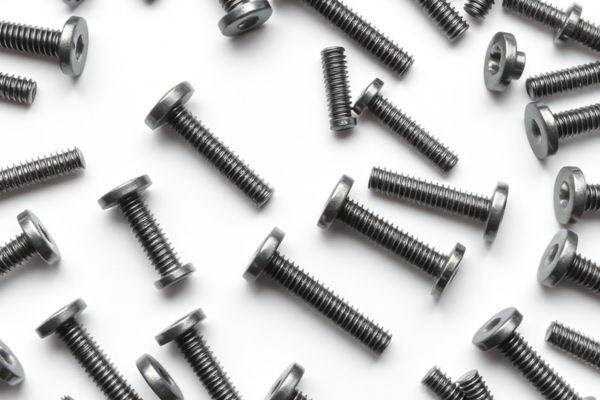
Threaded fasteners engineered for secure fastening into materials like metal, wood, or plastic without the need for a nut.
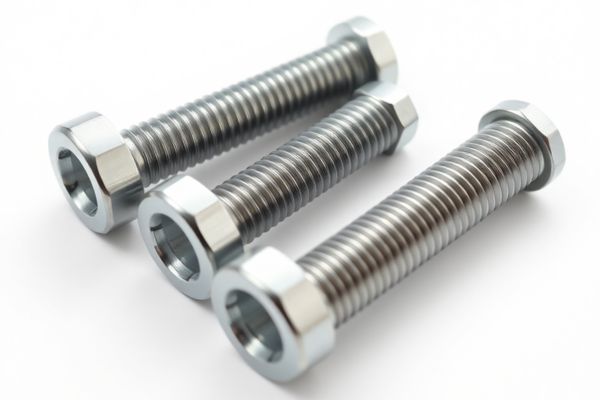
Stud Bolts

Stud Bolts

Double-ended threaded fasteners used for flange connections and high-pressure assemblies in industrial applications.
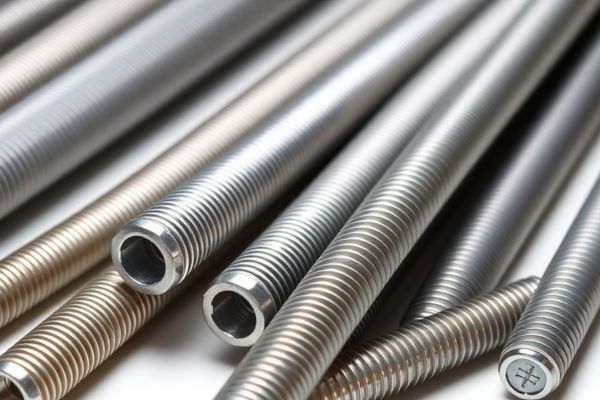
Threaded Bolts

Threaded Rods

Fully threaded bars designed for adjustable fastening, anchoring, and structural support across various installations.
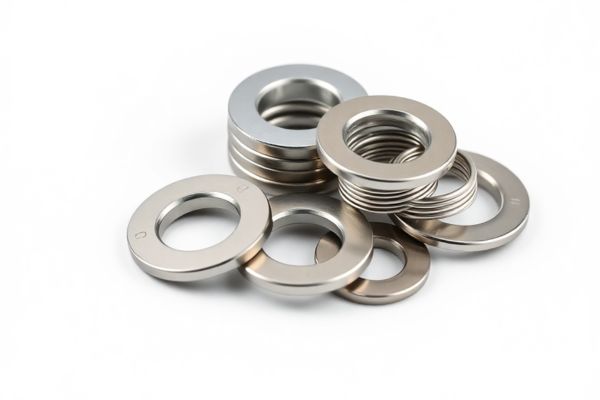
Washers

Washers

Flat or shaped spacers placed under fasteners to distribute load, reduce wear, and improve joint stability.
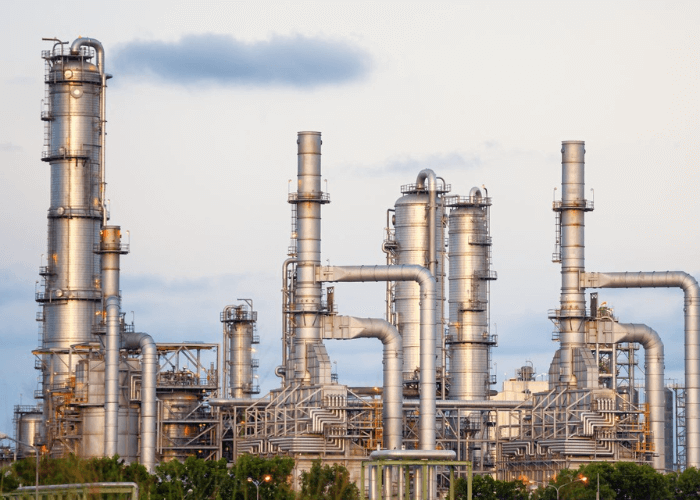
Common Fastener Types and Uses in Petrochemical & Chemical Plants

Fastener Type Common Use
Stud Bolts Used with heavy hex nuts for securing pipe flanges, pressure vessels, and heat exchanger joints.
Hex Bolts Used for structural steel connections, equipment mounting, and support frames in processing units.
Socket Head Cap Screws Used in pumps, compressors, valves, and compact machinery where high-strength clamping is required.
Heavy Hex Nuts Paired with stud bolts and anchor bolts in flanged connections and heavy equipment assemblies.
Anchor Bolts Used to secure vessels, pumps, pipe supports, and industrial equipment to concrete foundations.
U-Bolts Used for fastening and supporting process piping, tubing, and conduit to structural members.
Flat Washers Used to distribute load and protect joined surfaces in bolted equipment and structural connections.

High Strength Fasteners For Petrochemical & Chemical Plants

In petrochemical and chemical plants, fasteners secure pressure vessels, piping, flanges, pumps, and support systems exposed to vibration, thermal cycling, corrosive media, and sustained loads. High-quality, high-strength fasteners preserve structural integrity, maintain clamp force, and reduce leak paths that can compromise safety, uptime, and regulatory compliance in performance-critical service.

Low-quality fasteners can lose preload, crack under stress, or corrode rapidly, leading to joint failure, fugitive emissions, unplanned shutdowns, and safety incidents. Selection to ASTM requirements, backed by material traceability, dimensional inspection, and engineering validation, is essential for long-term reliability in aggressive process environments. In critical plant duty, fastener quality is a risk control measure, not a purchasing variable.

Certified Material Integrity

Alloy Steel

High tensile strength supports pressure vessels and pipe racks, with high-strength bolts validated for heavy-duty service.

Titanium Alloy

Exceptional corrosion resistance suits chlorine processing equipment, where precision components require proven reliability under cyclic loading.

Inconel Alloy

Thermal stability and oxidation resistance secure reformer furnaces, using engineered fastening solutions for validated high-temperature performance.

Monel Alloy

Excellent chemical corrosion resistance serves acid handling systems, with structural fasteners trusted for leak-critical joints.

Petrochemical And Chemical Plants Industrial Fasteners FAQ

Which materials suit fasteners in petrochemical and chemical plants?

High-strength bolts in ASTM A193 B7, B8, and stainless steel are selected for corrosion resistance, temperature stability, and compatibility with aggressive chemical processing environments.

How do industrial fasteners perform under corrosive and high pressure conditions?

Precision industrial fasteners maintain clamp load, resist stress corrosion, and support leak-tight joints under cyclic loads, vibration, and pressure when properly specified and installed.

Which standards guide fastener selection for chemical plant applications?

Engineers commonly reference ASTM, ISO, and DIN standards to match structural fasteners to media exposure, temperature range, flange class, and maintenance requirements.

Discuss Industrial Fasteners for Petrochemical Plant Reliability

Discuss material grades, ASTM or DIN compliance, and custom engineered fastening solutions for plant conditions with RealBolt, a manufacturer, stockist, supplier, and exporter of stainless steel and alloy steel structural fasteners.