Home » Applications » Fasteners for Pre-Engineered Buildings (PEB)
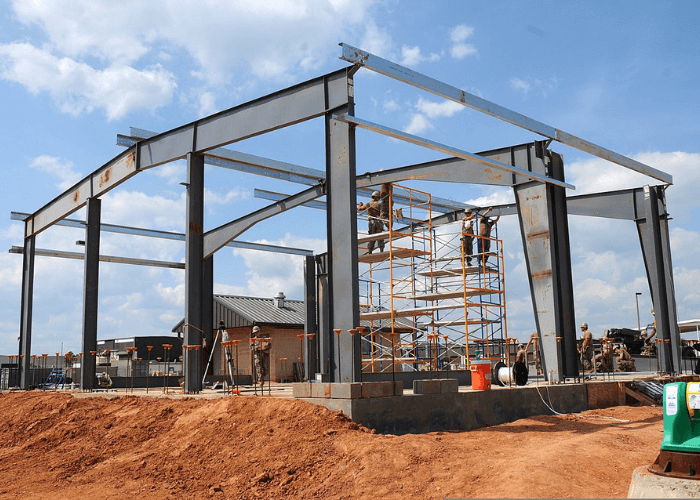
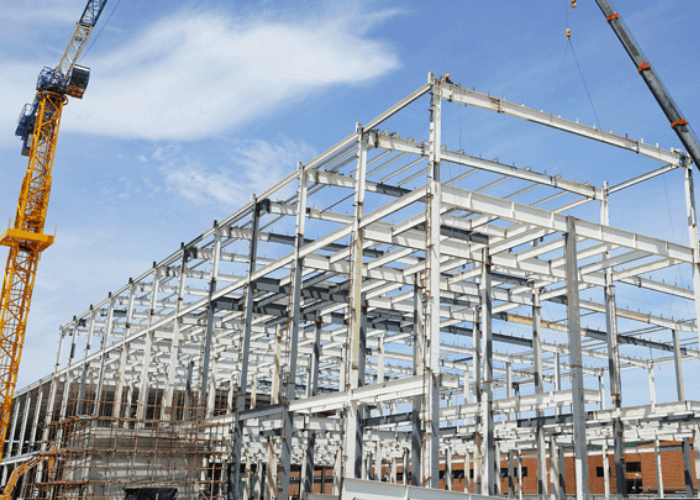
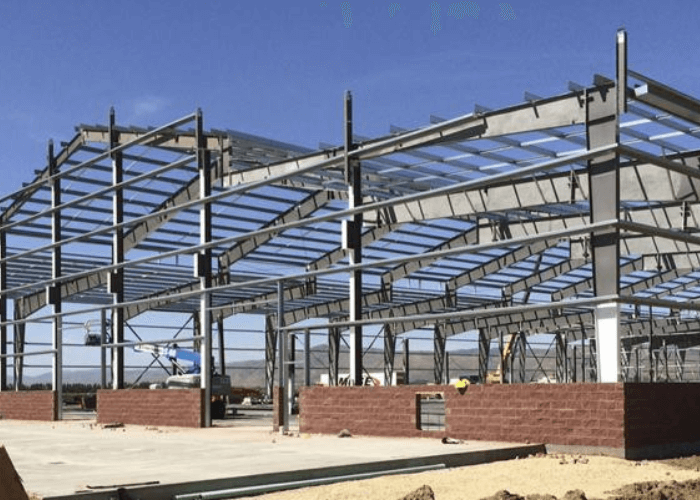
In pre-engineered buildings, application-specific fasteners secure primary steel frames, secondary members, roof panels, and bracing into a stable load path. These industrial fasteners maintain joint integrity during erection and service, while structural fasteners and engineered fastening solutions support accurate fit-up, clamping force retention, and efficient transfer of tensile and shear forces.
PEB connections operate under variable dead, live, and wind loads, where load distribution across bolted joints affects frame stiffness and serviceability. Fasteners must withstand vibration from machinery and weather, thermal expansion between steel and cladding, and long-term corrosion exposure at laps, purlins, and anchor interfaces. High-strength bolts with proven fatigue resistance are critical for cyclic loading.
For PEB assembly, fasteners are specified to ISO and ASTM requirements for material grade, coating, dimensions, and proof load. Engineering validation includes torque-tension checks and inspection records that confirm performance in industrial fastening systems. These performance-critical components support compliance and service life.

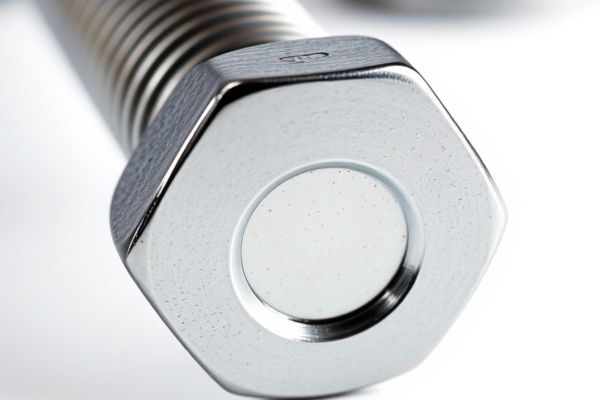
Threaded fasteners designed for strong mechanical joints across structural and industrial assemblies.
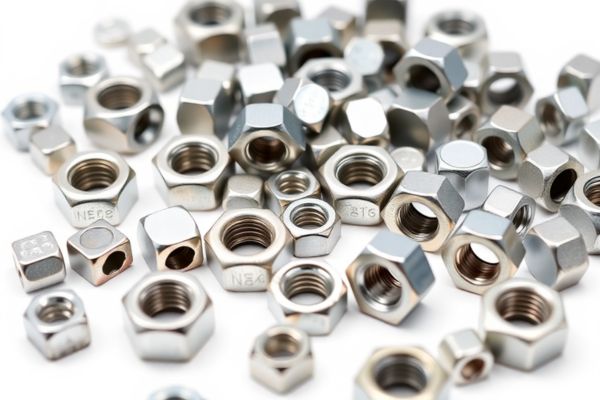
Internally threaded components designed to pair with bolts for secure fastening. Manufactured to provide reliable clamping force.
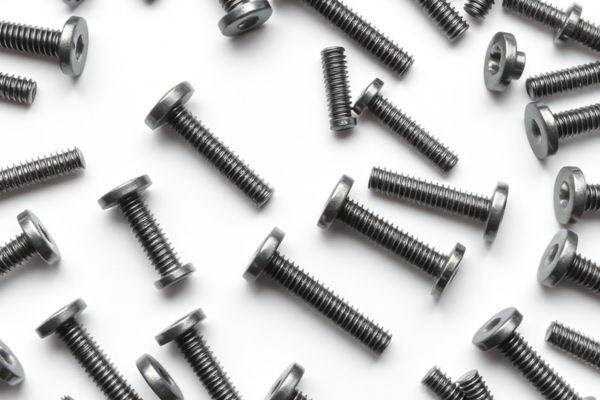
Threaded fasteners engineered for secure fastening into materials like metal, wood, or plastic without the need for a nut.
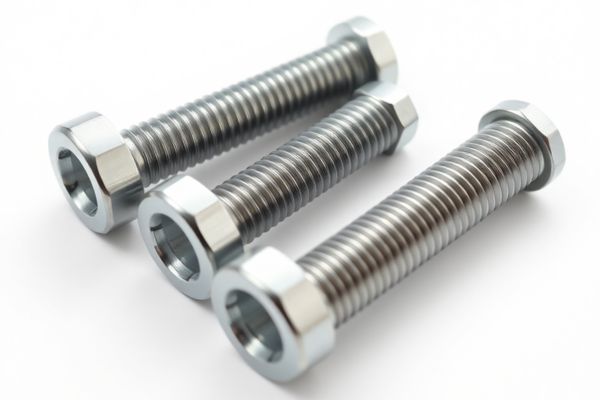
Double-ended threaded fasteners used for flange connections and high-pressure assemblies in industrial applications.
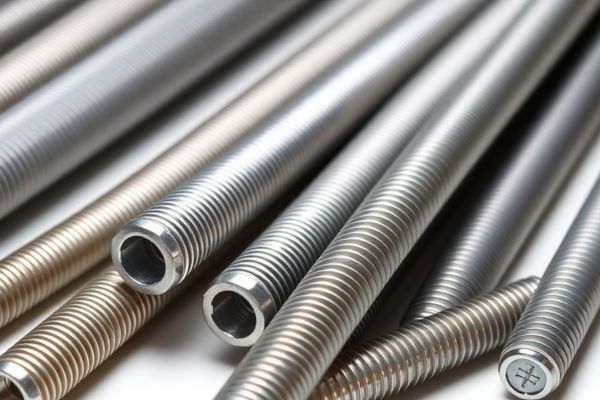
Fully threaded bars designed for adjustable fastening, anchoring, and structural support across various installations.
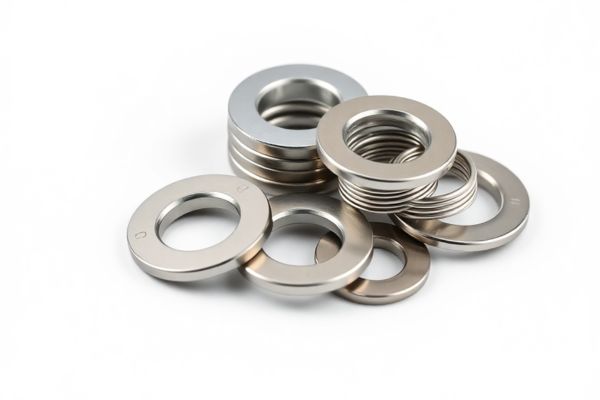
Flat or shaped spacers placed under fasteners to distribute load, reduce wear, and improve joint stability.
| Fastener Type | Common Use |
|---|---|
| High-Strength Structural Bolts | Connecting primary steel members such as columns, rafters, and beam splice joints in PEB frames. |
| Anchor Bolts | Fixing steel columns and base plates to concrete foundations. |
| Self-Drilling Screws | Fastening roof and wall sheeting to purlins and girts without pre-drilling. |
| Self-Tapping Screws | Attaching light-gauge steel accessories, trims, and secondary cladding components. |
| Hex Nuts | Used with structural and anchor bolts to secure steel connections and foundation fixings. |
| Flat and Spring Washers | Distributing load and helping maintain tightness in bolted steel connections. |
| Threaded Studs | Securing support brackets, equipment mounts, and specialized connection assemblies in PEB structures. |
In pre engineered buildings, fasteners carry primary load paths across columns, rafters, purlins, bracing, and cladding connections. High quality fasteners are critical to structural integrity because they must resist tension, shear, vibration, and cyclic wind loading without loss of preload. Accurate geometry, controlled metallurgy, and corrosion resistance improve service life, joint stability, and code compliant performance in demanding industrial structures.
Low quality fasteners can cause loosening, brittle fracture, coating failure, and uneven load transfer, increasing the risk of leakage, distortion, or connection failure under stress. For PEB systems, conformity to ASTM requirements, traceable material certification, and torque or tensile testing support engineering validation and compliance. Specified performance critical fasteners reduce maintenance exposure and protect long term reliability across the full building envelope.
Carbon Steel
Delivers high strength for primary frames and roof connections using validated high-strength bolts.
Stainless Steel
Provides corrosion resistance for exposed cladding joints and humid zones with proven structural fasteners.
Aluminum Alloy
Offers lightweight corrosion resistance for facade and sheet interfaces in precision components engineered for durability.
Titanium Alloy
Ensures excellent fatigue resistance for seismic-critical joints and long-span systems requiring engineered fastening solutions.
High-strength structural fasteners in alloy steel and zinc-coated carbon steel are common. ASTM A325 and ISO grades support durability, load capacity, and corrosion resistance in PEB joints.
High-strength bolts deliver reliable clamping force, fatigue resistance, and joint stability. They help structural fasteners withstand wind loads, vibration, and repeated service conditions.
Select by load type, steel thickness, environment, and code compliance. Match bolt grade, coating, and dimensions to ASTM, DIN, or ISO requirements for safe structural connections.