Home » Applications » Fasteners for Steel Fabrication & Structural Works
In steel fabrication and structural works, application-specific fasteners secure beams, plates, brackets, and gusset connections that transfer static and dynamic forces through the frame. These industrial fasteners preserve joint alignment, clamp load, and accuracy across bolted interfaces, supporting structural fasteners, precision components, trusses, columns, and equipment supports.
These assemblies face tensile and shear loading, cyclic vibration, impact, and preload loss, requiring effective load distribution through connected members. Thermal expansion, moisture, and corrosion exposure can alter fit-up and torque retention, while wind and equipment movement increase slip potential. High-strength bolts with fatigue resistance are used where repeated loading and outdoor durability govern design.
For performance-critical components, reliability depends on material traceability, coating verification, and inspection against ISO and ASTM requirements, with DIN or SAE references applied where specified. Engineering validation through torque testing, proof load checks, and installation review supports durable industrial fastening systems in steelwork.

Threaded fasteners designed for strong mechanical joints across structural and industrial assemblies.
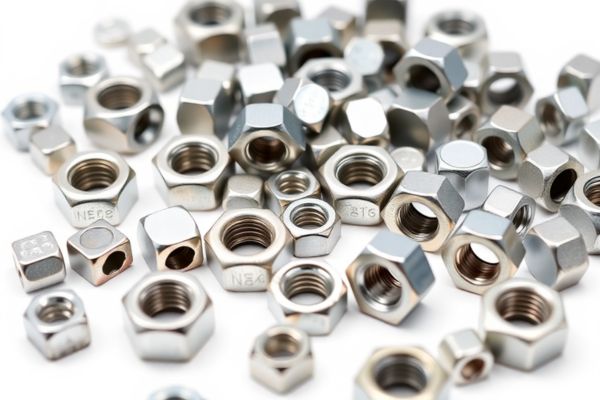
Internally threaded components designed to pair with bolts for secure fastening. Manufactured to provide reliable clamping force.
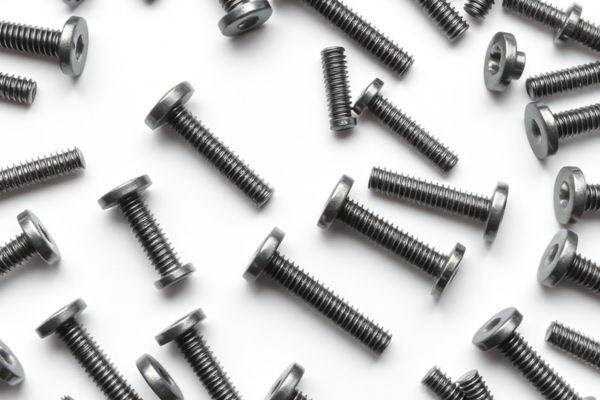
Threaded fasteners engineered for secure fastening into materials like metal, wood, or plastic without the need for a nut.
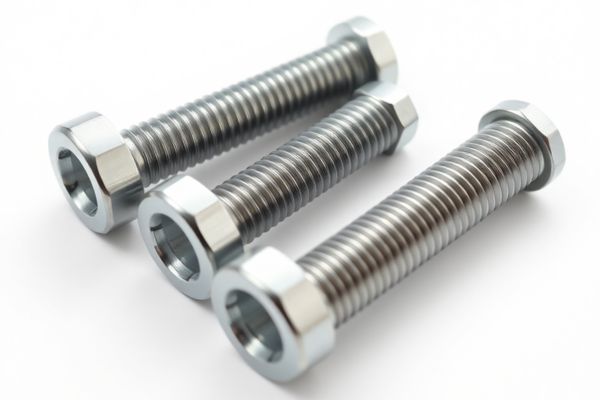
Double-ended threaded fasteners used for flange connections and high-pressure assemblies in industrial applications.
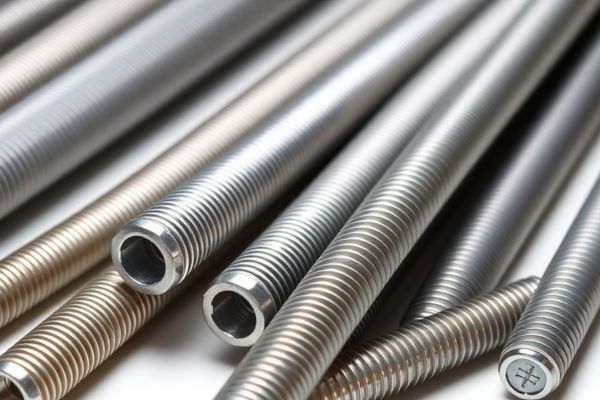
Fully threaded bars designed for adjustable fastening, anchoring, and structural support across various installations.
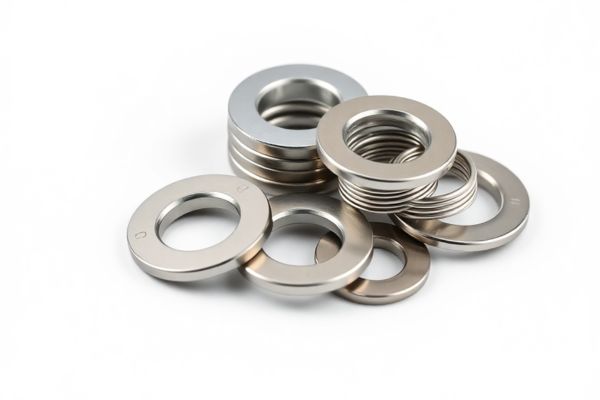
Flat or shaped spacers placed under fasteners to distribute load, reduce wear, and improve joint stability.
| Fastener Type | Common Use |
|---|---|
| High-Strength Structural Bolts | Connecting structural steel members in beams, columns, and trusses |
| Heavy Hex Bolts | Bolted joints in steel frameworks, base plates, and industrial structures |
| Anchor Bolts | Securing steel columns and equipment supports to concrete foundations |
| Threaded Studs | Joining flanged structural components and heavy steel assemblies |
| Hex Nuts | Used with bolts and studs for structural steel connections |
| Hardened Washers | Distributing load and protecting steel surfaces in bolted structural joints |
| Self-Drilling Screws | Fastening metal decking, cladding, and light-gauge steel sections |
In steel fabrication and structural works, fasteners transfer tensile, shear, and cyclic loads across joints that define overall structural integrity. High-strength fasteners are essential to maintain clamp force, resist vibration loosening, and prevent fatigue failures in beams, columns, brackets, and connection plates. Dimensional accuracy, material consistency, and corrosion resistance directly affect service life, installation reliability, and compliance with project specifications for safety-critical assemblies.
Low-quality fasteners can introduce thread mismatch, reduced preload, brittle fracture, and accelerated corrosion, increasing the risk of joint slip or progressive connection failure under stress. For structural applications, conformity to ASTM requirements, supported by mechanical testing, traceable material records, and engineering validation, is necessary to verify load performance and long-term reliability. In critical steelwork, verified compliance is not optional but a core engineering requirement.
Carbon Steel
High tensile strength supports structural fasteners in beams and frames, proven for cost-effective load-bearing assemblies.
Alloy Steel
Enhanced fatigue resistance suits high-strength bolts in heavy trusses and connections, engineered for repeated dynamic loads.
Stainless Steel
Superior corrosion resistance protects precision components in exposed structural joints, validated for outdoor and coastal installations.
Silicon Bronze
Excellent corrosion resistance benefits engineered fastening solutions in architectural steelwork, trusted for weathering and dissimilar-metal interfaces.
High-strength carbon steel and alloy steel fasteners are widely used. For corrosive environments, stainless steel grades and protective coatings improve durability in structural applications.
Structural fasteners with proper preload resist shear, tensile stress, and vibration. High-strength bolts support reliable joint integrity in demanding steel fabrication and structural assemblies.
Select fasteners to ASTM, ISO, or DIN standards based on load, environment, and joint design. Correct grade, coating, and dimensions ensure compliance and long-term performance.