
Fasteners for Wind Energy Installations

Wind energy installations demand engineered fasteners that withstand extreme mechanical stress and environmental exposure. High-strength bolts and structural fasteners in alloy steel, meeting ISO 10.9 standards, ensure turbine integrity across decades of operation. RealBolt delivers precision components engineered for corrosion resistance and durability in demanding wind energy applications.

High-Strength Fasteners for Wind Energy Installations

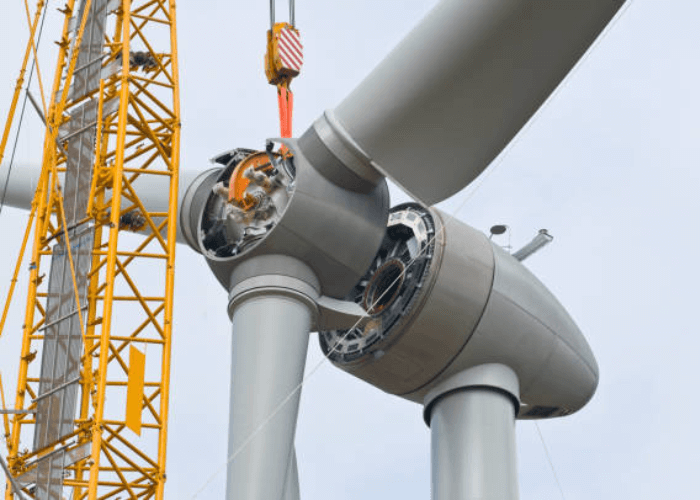
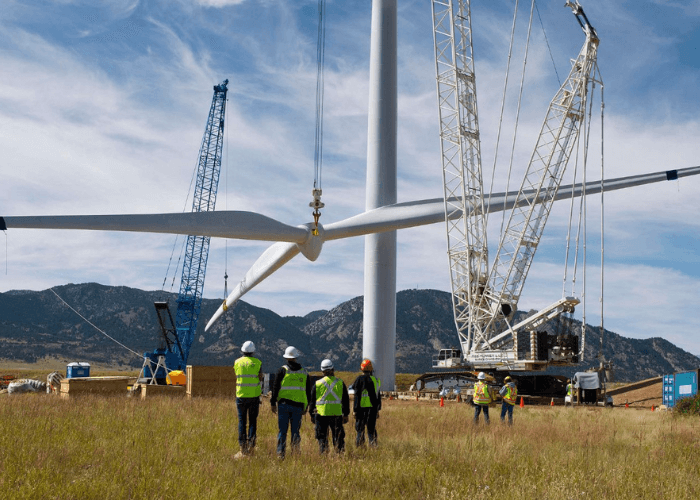
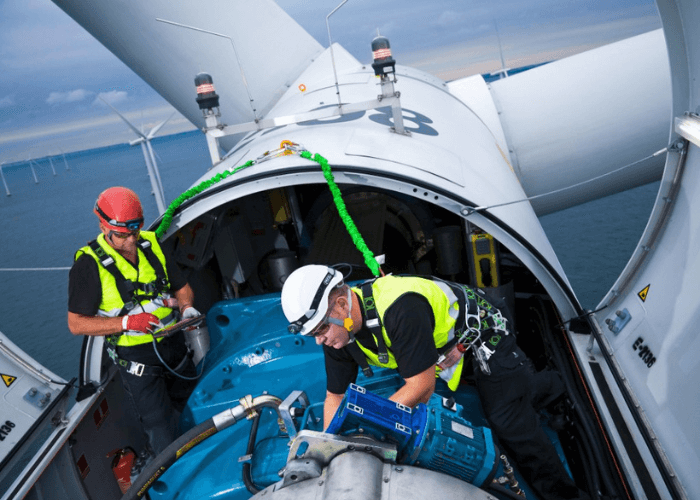
Wind energy installations rely on application-specific fasteners to secure tower flanges, nacelle structures, hub joints, and blade roots. These industrial fasteners preserve joint integrity while maintaining alignment between rotating and stationary elements. Structural fasteners and engineered fastening solutions transfer torque, clamp steel and composite members, and stabilize interfaces under variable loads.

These joints face load distribution, cyclic vibration, thermal expansion, and corrosion exposure from moisture, salt, and temperature swings. Turbine connections must resist preload loss, fretting, and loosening caused by rotor oscillation and braking events. High-strength bolts with fatigue resistance sustain clamp force and reduce service risk in exposed onshore and offshore conditions.

Reliability depends on material control, tightening methods, and conformity to ISO and ASTM standards for strength, coatings, and dimensions. Engineering validation includes preload checks, torque-tension testing, and corrosion assessment to qualify performance-critical components. Industrial fastening systems support traceable compliance across wind turbine assemblies.

Critical High-Strength Fastener Types for Wind Energy Installations

Bolts

Bolts

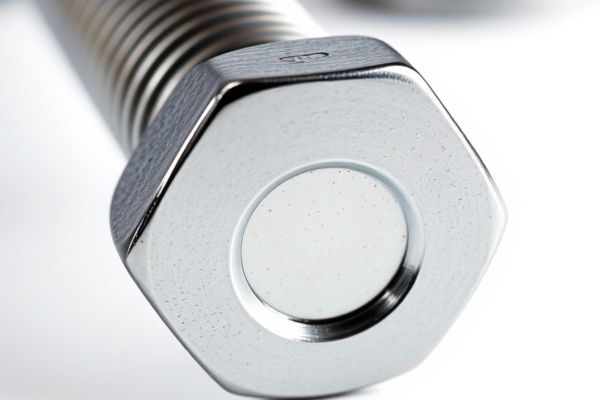
Threaded fasteners designed for strong mechanical joints across structural and industrial assemblies.
Nuts

Nuts

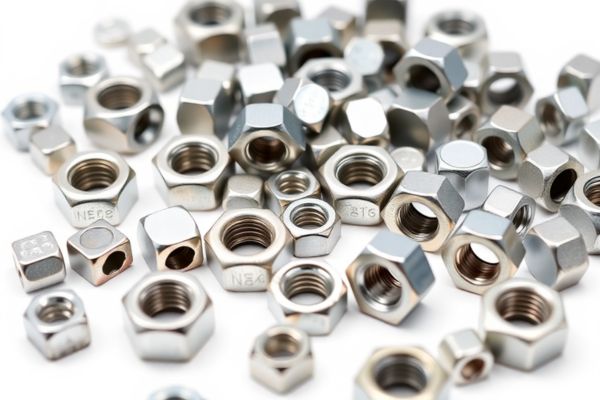
Internally threaded components designed to pair with bolts for secure fastening. Manufactured to provide reliable clamping force.
Screws

Screws

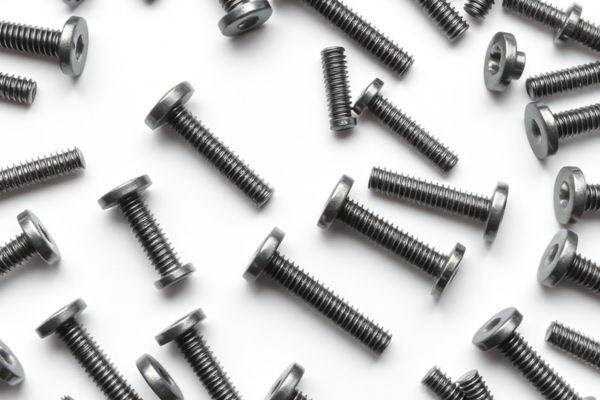
Threaded fasteners engineered for secure fastening into materials like metal, wood, or plastic without the need for a nut.
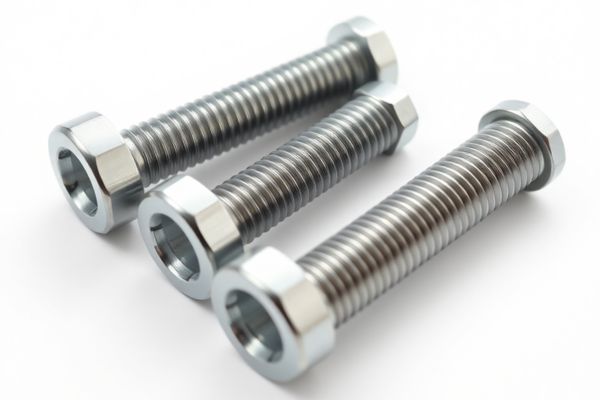
Stud Bolts

Stud Bolts

Double-ended threaded fasteners used for flange connections and high-pressure assemblies in industrial applications.
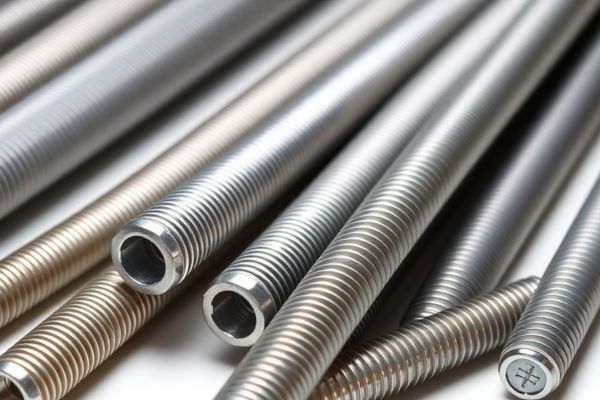
Threaded Bolts

Threaded Rods

Fully threaded bars designed for adjustable fastening, anchoring, and structural support across various installations.
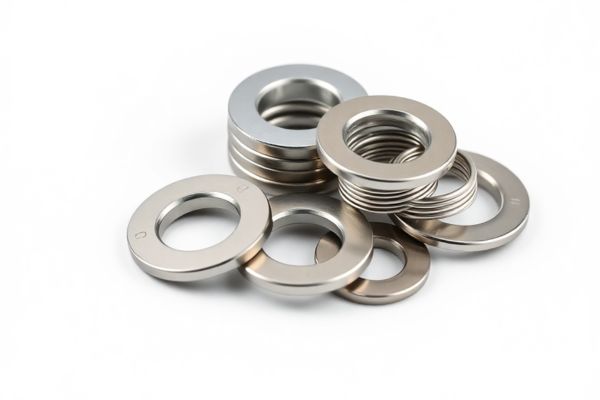
Washers

Washers

Flat or shaped spacers placed under fasteners to distribute load, reduce wear, and improve joint stability.
Fastener Types and Common Uses in Wind Energy Installations

Fastener Type Common Use
High-Strength Structural Bolts Tower flange connections and structural steel joints in wind turbine towers
Hex Head Bolts General assembly of nacelle frames, support brackets, and mechanical components
Stud Bolts Flanged connections in hydraulic, lubrication, and piping systems within the turbine
Heavy Hex Nuts Used with structural bolts and stud bolts in tower, foundation, and machinery connections
Hardened Washers Load distribution and surface protection in high-load bolted joints such as tower and blade assemblies
Anchor Bolts Securing wind turbine towers to concrete foundations
Socket Head Cap Screws Fastening gearbox, generator, and other precision mechanical assemblies inside the nacelle

High Strength Fasteners For Reliable Wind Energy Installations

In wind energy installations, fastener quality governs tower, nacelle, and blade joint security under cyclic loads, vibration, and corrosion. High-strength fasteners maintain structural integrity, clamp force, and fatigue resistance, supporting safe operation, long service life, and regulatory compliance in performance-critical bolted connections.

Low-quality fasteners can lose preload, crack, or corrode, leading to misalignment, costly outages, and elevated safety risk. Specifying hardware to ASTM standards, with traceability, torque control, coating tests, and engineering validation, is essential for reliable service. In wind applications, standards-compliant fastening systems are a technical necessity.

Certified Material Integrity

Alloy Steel

High fatigue strength supports tower flange joints and anchor cages using validated structural fasteners for turbines.

Titanium Alloys

Exceptional corrosion resistance suits offshore nacelle assemblies, where precision components demand lightweight, engineering-proven reliability.

Nickel Alloys

Thermal stability and corrosion resistance perform in converter housings and marine interfaces with engineered fastening solutions.

Aluminum Bronze

Excellent galling resistance handles pitch control linkages and exposed hubs, supporting dependable high-strength bolts in coastal turbines.

High Strength Fasteners For Wind Energy Installations

What materials are best for wind energy installation fasteners?

High-strength bolts in alloy steel, stainless steel, and ASTM A453 grades are preferred for tower, flange, and nacelle joints requiring corrosion resistance and structural reliability.

How do structural fasteners perform in wind turbine environments?

Structural fasteners must resist vibration, cyclic fatigue, and corrosion. Proper preload and coatings help maintain joint integrity in offshore and onshore wind energy installations.

Which standards matter when selecting fasteners for wind energy installations?

Selection should align with ISO, DIN, or ASTM standards to ensure mechanical strength, dimensional accuracy, and consistent performance in critical industrial wind turbine assemblies.

Explore Structural Fasteners for Wind Energy Installations

Discuss certified fastening requirements with the manufacturer, stockist, supplier, and exporter RealBolt for stainless steel and ASTM-compliant structural fasteners, including engineered fastening solutions tailored to wind energy installations with dependable engineering support.