
Buyer’s Guide

B7 Stud Bolts and 2H Heavy Hex Nuts: A Buyer’s Guide for Industrial Applications

In refineries, petrochemical plants, power facilities, and process industries, a bolted connection must withstand the conditions for which it was designed. Choosing the right stud bolts and nuts is therefore an important part of equipment installation, maintenance, and procurement.

SA 193 GR. B7 / SA 194 GR. 2H refers to a commonly specified combination of alloy-steel bolting material and heavy hex nuts used in industrial applications. The stud bolt material is covered by ASTM A193 or the corresponding ASME SA193 specification, while the nut material is covered by ASTM A194 or ASME SA194.

For buyers in India, selecting the correct grade is only the first step. Dimensions, thread type, coating, inspection documents, and service conditions should also match the project requirements.
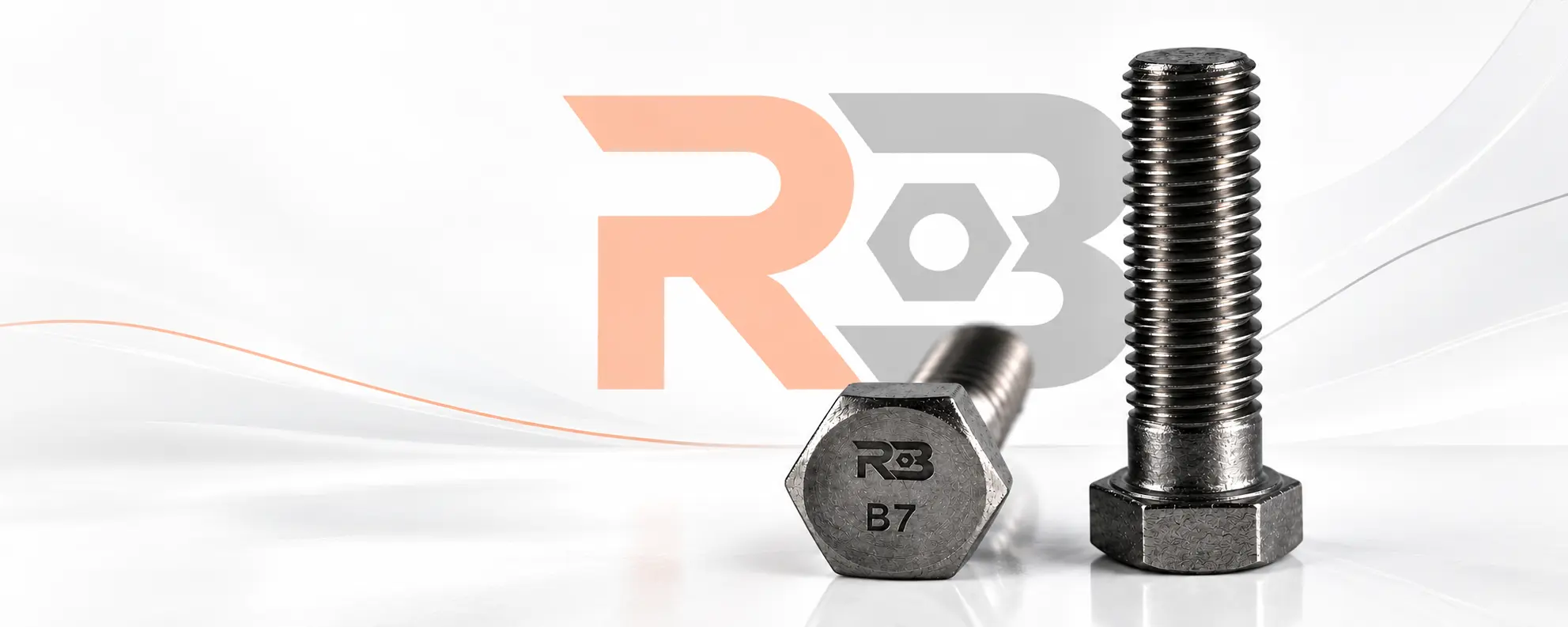
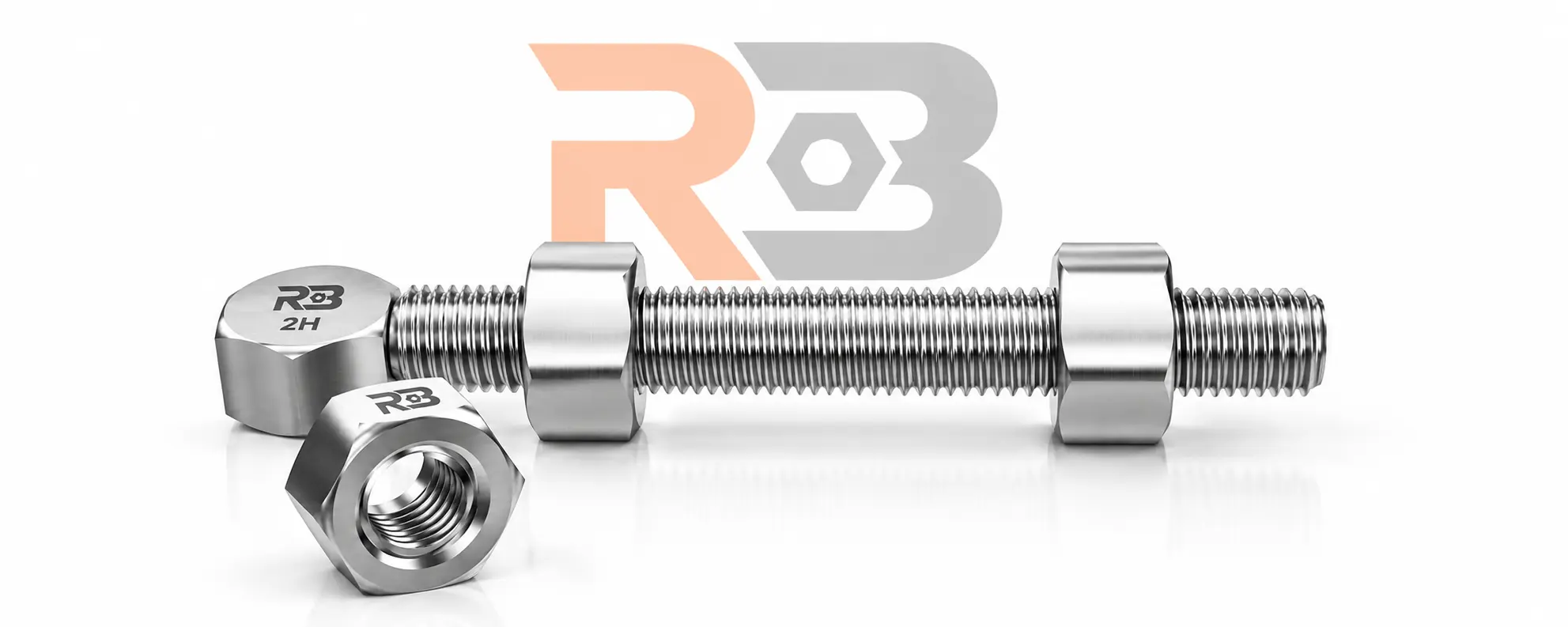
B7 stud bolts with 2H heavy hex nuts

What are B7 stud bolts and 2H nuts?

B7 is a chromium-molybdenum alloy-steel grade commonly supplied in a quenched-and-tempered condition. It is used for bolting where the required mechanical properties and service conditions make this material suitable.

Grade 2H refers to a high-strength carbon-steel nut grade covered by ASTM A194. Heavy hex nuts are commonly used with industrial stud bolts in flange connections and other bolted assemblies.

The two grades are frequently specified together, but the complete assembly must still be checked against the applicable engineering specification.

Heavy hex nuts and stud bolts in flange connections
ItemTypical specificationWhat buyers should verify
Stud boltASTM A193 Grade B7Grade, diameter, length and mechanical properties
NutASTM A194 Grade 2HGrade, thread compatibility and proof-load requirements
ThreadAs specified by the drawing or purchase orderMetric or inch series, pitch and tolerance
FinishProject-specificPlain, coated or other approved finish
InspectionPurchase-order requirementsMaterial test reports and applicable inspection records

Common purchasing mistakes to avoid

A low quotation price does not necessarily mean a lower total purchasing cost. Incorrect dimensions, missing documents, or an unsuitable finish can lead to delays and replacement work.

Watch for these common issues:

  • Ordering by grade alone without confirming dimensions.
  • Mixing incompatible thread systems.
  • Treating B7 and B7M as interchangeable.
  • Assuming all heavy hex nuts meet Grade 2H requirements.
  • Accepting generic certificates without checking grade and lot identification.
  • Selecting a coating without considering the joint specification.
  • Failing to state the required quantity, delivery schedule, and inspection documents.

For replacement orders, using the original equipment drawing or approved bill of materials is generally safer than relying on a sample alone.

Frequently asked questions

Are B7 stud bolts and 2H nuts commonly used together?

Yes. This is a commonly specified combination for industrial bolting, including selected flange connections. The final assembly must meet the applicable design and purchase requirements.

What is the difference between B7 and 2H?

B7 is a stud-bolt material grade under ASTM A193, while 2H is a nut material grade under ASTM A194. They describe different components and should not be treated as equivalent grades.

Are these fasteners suitable for every high-temperature application?

No. Suitability depends on the operating temperature, pressure, loading, environment, and governing design code. The engineer responsible for the joint should verify the material selection.

Which documents should I request from a supplier?

Depending on the contract, these may include material test reports, mechanical and hardness test results, dimensional inspection records, traceability information, and coating or third-party inspection documents.

What information is needed to get a quotation in India?

Provide the grades, dimensions, thread details, quantity, finish, delivery location, and documentation requirements. An approved drawing or purchase specification can help reduce errors and speed up the quotation process.

How to request a quotation from Realbolt

Realbolt can be contacted to discuss industrial fastener requirements and confirm the availability of the specified product. Buyers should provide enough information for the sales team to review the request accurately.

Include these details in your enquiry:

  1. Required stud bolt and nut grades.
  2. Diameter, length, and thread series.
  3. Quantity and any size breakdown.
  4. Required coating or surface finish.
  5. Applicable drawing, standard, or purchase specification.
  6. Inspection documents and certification requirements.
  7. Delivery location and required date.

If the order is for refinery, petrochemical, or other critical equipment, mention the intended application and any project-specific requirements.

Realbolt’s team can then review the request and confirm which specifications, documentation, and delivery arrangements can be offered. Product availability and compliance should be confirmed before placing the order.

Conclusion

Choosing industrial stud bolts and nuts requires more than matching two grade names. Buyers should confirm the applicable standards, dimensions, thread compatibility, finish, inspection requirements, and traceability before placing an order.

For Indian industrial procurement teams, a complete and clearly documented enquiry helps suppliers review requirements more accurately and reduces avoidable delays. Contact Realbolt with your drawing or purchase specification to discuss the required fasteners and confirm availability.